
Jamali Garden’s Wholesale Décor for Restaurants: What to Know

Discover what to know about Jamali Garden’s wholesale décor for restaurants, including product selection, styling ideas, and buying considerations.
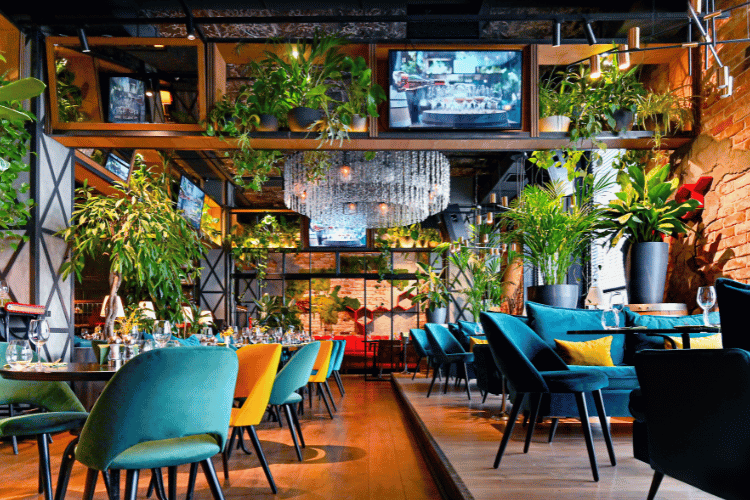
Restaurants continue to invest in carefully designed interiors as dining spaces increasingly serve as extensions of a brand's identity. Decorative elements such as floral arrangements, candlelight, planters, and table centerpieces contribute to the guest experience while helping businesses create memorable environments. Within this market, Jamali Garden has established itself as a long-standing supplier of wholesale floral supplies and decorative accessories for hospitality professionals.
Founded in 1997 as a family-owned storefront in New York City's flower market, the company expanded online in 2002 and now maintains an inventory exceeding 3,000 stock-keeping units. According to the company, its business primarily serves florists, event planners, restaurants, hotels, wedding professionals, and production companies, while remaining open to retail customers. Its operating model combines direct importing with wholesale pricing, allowing professionals to source decorative products for projects of varying sizes.
A Product Range Built Around Hospitality and Event Design
Restaurants often require décor that works across daily service, private events, and seasonal installations. Jamali Garden organizes its inventory around categories commonly used by hospitality businesses rather than offering a narrow decorative collection.
Its core product lines include:
Glass, ceramic, crystal, and metal vases
Candle holders, hurricanes, votives, and candelabras
Artificial flowers featuring "Real Touch" and "Real Look" construction
Artificial greenery, boxwood, moss, and potted plants
Indoor and outdoor planters
Holiday ornaments, garlands, and seasonal accents
Wedding and banquet centerpieces
Floral supplies and decorative accessories
Industry professionals frequently use these categories to create cohesive dining spaces while adapting displays throughout the year. Glass cylinder vases, mercury glass vessels, gold metal containers, and ceramic designs from www.jamaligarden.com remain among the company's most recognized product groups.
Floral designer Preston Bailey has observed that, "Floral design is not arranging flowers; it's telling a story with nature." That perspective reflects how restaurants increasingly view decorative elements as part of their overall guest experience rather than simple accessories.
Founder-Led Designs and Direct Importing Shape the Collection
According to company information, approximately 80 percent of Jamali Garden's inventory consists of designs created by founder Sabir Taheraly. Rather than relying entirely on third-party catalogs, the company develops many of its own products before importing them directly from manufacturing partners across China, India, Vietnam, Thailand, and other Asian markets.
This approach gives the business several operational characteristics:
Consistent design direction across collections
Greater control over production specifications
Access to wholesale pricing through direct importing
A catalog containing more than 3,000 SKUs
For restaurants completing renovations or updating seasonal displays, consistency across decorative pieces can simplify procurement when multiple locations require matching products.
Artificial Botanicals Support Long-Term Decorative Planning
Artificial botanicals have become increasingly common in hospitality settings because they reduce maintenance requirements while maintaining visual consistency throughout service.
Jamali Garden's artificial flower collection includes cherry blossoms, hydrangeas, peonies, magnolias, orchids, roses, tropical stems, grasses, succulents, moss, and potted greenery. Many products are marketed using "Real Touch" or "Real Look" technology designed to imitate the texture and appearance of natural plants.
Interior designer Sumari Krige recommends using artificial botanicals strategically, noting, "Use them en masse and mix with real greenery for authenticity." Similarly, designer Miriam Manzo advises decorators to "look for wire in the stem so you can bend it and manipulate it to give the feeling of a real flower."
These observations reflect broader design practices in hospitality, where flexibility and durability often influence purchasing decisions alongside appearance.
Inventory Availability Supports Commercial Purchasing
Restaurants frequently operate on fixed schedules for openings, renovations, weddings, and holiday events. Product availability therefore becomes an operational consideration rather than simply a purchasing preference.
Unlike suppliers that emphasize advance ordering, Jamali Garden reports maintaining significant warehouse inventory to provide immediate access to many core products. The company's most popular categories include vases, candle holders, silk flowers, holiday décor, and event centerpieces.
Its wholesale pricing structure also reflects its commercial audience. Most products feature both individual and case pricing, encouraging larger purchases for professional projects.
Products from the company's collections have also appeared in high-profile commercial displays, including Ralph Lauren showrooms and Macy's holiday window installations in New York City.
Conclusion: A Long-Term Presence in Professional Floral Supply
Jamali Garden's development reflects broader changes in hospitality and event design over the past several decades. Beginning as a local flower market, the company expanded into e-commerce and has continued to supply restaurants, hotels, production companies, wedding planners, and florists while maintaining its family-owned structure.
Its combination of founder-led product development, direct importing, wholesale purchasing options, and extensive inventory has positioned the company within the professional décor market rather than general home furnishings. For restaurants seeking decorative supplies across everyday service, seasonal installations, and private events, those operational characteristics remain central to the brand's role within the hospitality supply sector.


Comments