
4 Simple Upgrades For A Stress-Free Home

Learn how simple home upgrades create a stress-free environment. Build dedicated wellness rooms. Improve bathroom fixtures. Read our complete guide today.
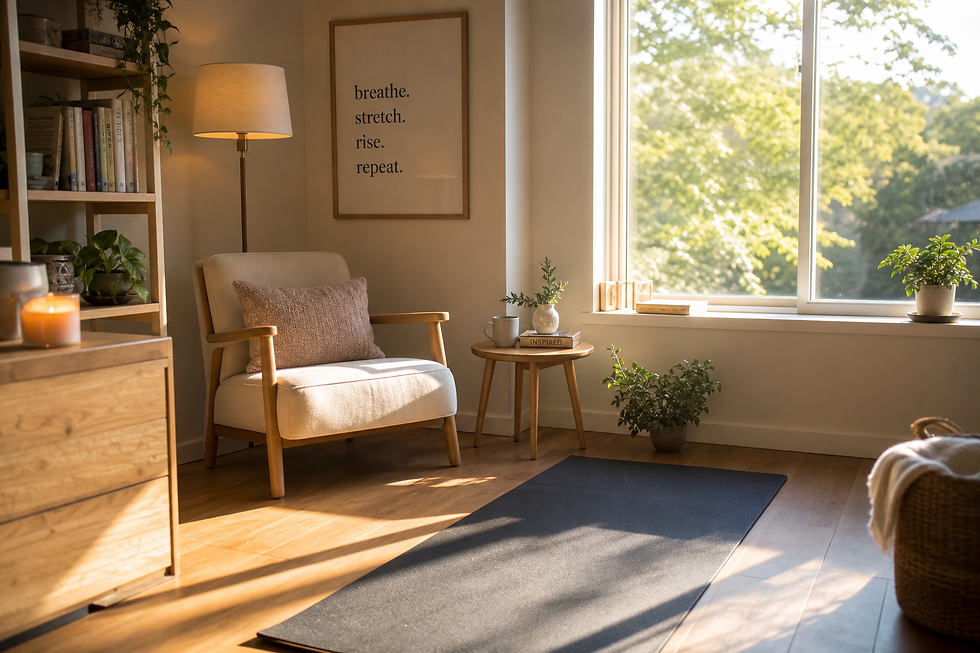
A stress-free home is built through intentional, targeted decisions rather than expensive renovations, and more homeowners are starting to recognize that.
Interest in home wellness ideas has shifted noticeably away from purely cosmetic upgrades toward features that change how a home actually feels to live in day to day.
The four comfortable home improvements in this guide cover different areas of the home, each one chosen for the consistency of its daily impact rather than the size of its footprint.
1. Carve Out a Dedicated Recovery Space
Environmental psychology research ties room association directly to habit formation. A space reserved exclusively for rest makes relaxation much easier to sustain on a rigid schedule. Mixing recovery routines with open laptops or active work calls undermines both activities, as the human brain struggles to process competing sensory cues.
Incorporating effective wellness room design requires only a minimal interior footprint, utilizing spaces like a spare bedroom or an empty basement corner. Heat and light therapy serve as practical anchors for this layout since they deliver physical benefits like muscle relaxation without complex contractor installations.
Portable blankets provide a compact starting point alongside standalone red light panels targeting distinct body zones.
For individuals ready to establish a permanent physical recovery station, Sun Home Saunas' infrared red light sauna combines full-spectrum warmth and specific wavelengths into one comprehensive unit. Before purchasing any heavy therapy hardware, verify your room dimensions and measure the ceiling to guarantee vertical clearance.
Selecting an exterior wood finish that complements your existing flooring helps integrate the equipment naturally among your current home furnishings.
2. Upgrade Your Bathroom Into a Spa
The average household occupant averages over five daily toilet flushes, yet the washroom often goes overlooked during standard renovations.
Focusing your remodeling budget on high-frequency hardware transforms this basic space into a spa-inspired bathroom without launching intensive plumbing projects. Refining just a couple of core fixtures alters the primary sensory experience for the whole family.
The most immediate functional leap involves swapping your standard toilet seat for an electric bidet model. Premier Bidets' modern heated toilet seat bidet delivers adjustable water temperatures and surface heating utilizing standard mounting bolts. Operators only need a household electrical outlet positioned near the toilet base, because the hardware runs on an integrated four-foot cable.
Expanding on that physical comfort, residents can mount a heated towel rack directly outside the shower enclosure to warm linens prior to use. Installing a pressure-balancing shower valve stops jarring cold water drops, while adding a low-flow showerhead maintains performance while curbing overall residential water consumption.
Approaching these changes as an itemized list limits the total budget while steadily elevating the daily atmosphere.
Pro Tip: Before purchasing a heated bidet seat, confirm an electrical outlet is within three feet of the toilet, as most units use a standard four-foot power cable. |
3. Layer Lighting for a Calmer Atmosphere
Light color temperature directly influences physical alertness alongside your biological evening relaxation cues. Cool white bulbs measuring above 4000K trigger the optic nerve to maintain active focus, while warm white devices running between 2700K and 3000K encourage biological wind-down responses.
Homeowners frequently install bright overhead lights in bedrooms by default, pushing evening cortisol higher when the body should be resting.
Taking comprehensive control of your lighting layout requires splitting sources into three designated functional tiers. Ambient ceiling fixtures provide general navigation visibility, while focused installations like under-cabinet strips or desk lamps support distinct evening tasks.
Adding dimmable LED tracks beneath a bed frame generates transitional floor lighting, giving occupants localized authority over the environment.
Standard slider dimmer switches cost little to source and often install without a professional electrician in modern residential wiring schemes. Warm lighting also actively enhances organic room textures by making stone, wood, and coarse linen appear richer than they would under harsh blue beams.
4. Let Natural Textures Reduce Daily Stress
Biophilic design principles prioritize natural finishes like timber, stone, and leafy plants because they alter human strain responses at a physical level. Subjects inside test quarters redecorated with wooden wall panels perceived the space as highly comfortable, while measured stress hormones spiked significantly higher in synthetic test rooms.
Commercial hotels and premium spas rely heavily on these organic surfaces because their calming effects remain consistently measurable over time.
Mount a solid bamboo shelf in a busy hallway to anchor organic wood grain directly at eye level. Swapping plastic vanity modules for slate sink trays or trading artificial couch pillows for coarse linen covers physically shapes a room's background. These natural textile additions prevent structural demolition while actively replacing slick synthetics with varied, tactile layers.
Placing low-maintenance indoor species like pothos or wide-leaf snake plants adds vivid living color inside isolated room corners. Layering a dense jute area rug over bare flooring absorbs excess ambient noise waves while insulating the ground against winter chills.
Property owners must prioritize manageable natural finishes precisely because highly demanding materials generate upkeep friction that undermines the primary health goal.
The Path Forward
Leaving a thick yoga mat unrolled in a bedroom corner removes the basic physical barrier to an effective morning stretch. Parking an armchair directly next to an incandescent reading lamp actively prompts quiet evening transition hours before bedtime.
Storing physical recovery tools in plain sight guarantees consistent daily usage, while packing specialized gear away ensures neglected routines over a calendar year.
Establishing a specific room anchors therapeutic infrared treatments as a permanent home fixture, moving heat and light sessions out of commercial gyms and into regular daily circulation.
Integrating an electronic heated wash base into the primary washroom introduces an anchored hygiene rhythm during the hectic morning rush. Wiring soft ambient bulbs throughout heavy foot traffic zones actively limits background tension in the transition hours between main events.
Attempting multiple sweeping lifestyle renovations simultaneously frustrates returning residents and blocks permanent behavioral progress. Begin by addressing the single highest friction point in your current floor plan, letting that functional adjustment settle for roughly three weeks.



Comments