
15 Moving and Packing Tips for a Stress-Free Move

Discover 15 practical moving and packing tips to stay organized, protect your belongings, and make your move smoother, easier, and less stressful.

Moving can humble even the most organized person. One minute you feel ahead, and the next you’re surrounded by tape, half-filled boxes, and a junk drawer that seems to have multiplied overnight. The upside? A few smart moving tips, practical packing tips for moving, and a solid moving house checklist can make the process feel much more manageable. If you’re asking yourself how to pack for a move, start with this helpful reminder: “Over 70% of respondents said they would recommend the moving company they used to others”.
The Ultimate Moving House Checklist for a Stress-Free Move
A move feels far less stressful when you stop trying to remember everything in your head. With a simple plan and a dependable moving house checklist, you can break the job into smaller, calmer steps.
Essential Early Steps to Prepare for Moving Day
First, choose your moving date and request time off work if needed. Then create one digital folder for estimates, receipts, lease papers, closing documents, contact details, and mover information. It sounds basic, but these simple moving tips can save you from digging through emails at the worst possible moment.
If you do not want to manage every detail alone, moving services from safe ship can help coordinate the process. That may include matching you with a suitable carrier, arranging packing support, helping with storage, and keeping you updated along the way. This can be especially useful for long-distance moves, military relocations, office moves, or vehicle shipping.
Decluttering Before the Move: Smart Sorting and Donating
Once your timeline is in place, make the actual move lighter. Before packing anything, walk through your home with three simple categories: keep, donate, and recycle.
Be honest with yourself. If something has been sitting untouched for a year, it may not deserve a paid ride to your next place. Less stuff means fewer boxes, less lifting, and usually, fewer headaches.
Must-Have Moving Supplies and Smart Materials
After decluttering, gather the supplies that will actually protect your belongings. You’ll want sturdy boxes, packing paper, stretch wrap, heavy-duty tape, markers, mattress bags, and reusable bins.
For delicate items, spend a little extra on foam sleeves, dish dividers, and corner protectors. It is cheaper than replacing broken glassware or a damaged frame later.
Moving Choice | Best For | Watch Out For |
DIY packing | Smaller budgets | Takes more time |
Partial packing help | Kitchens, art, fragile items | Needs clear scheduling |
Full-service packing | Busy families, long-distance moves | Higher upfront cost |
Once your materials are ready, packing starts to feel less like a guessing game and more like a process you can control.
Packing Tips for Moving: 15 Expert-Backed Strategies
A good packing system saves time, protects your belongings, and keeps moving day from turning into a frantic treasure hunt. These packing tips for moving will help you stay organized from the first box to the last.
Start Early and Tackle One Room at a Time
Pack room by room. It keeps things simple and prevents random “mystery boxes” from following you into the new place. Start with items you use least, such as holiday decor, guest room items, books, storage bins, and off-season clothing.
Packing takes longer than most people expect. “41% said it took them 15–40 hours to pack their belongings”. So yes, starting early is not dramatic. It is practical.
Strategic Packing Order and Box Labeling
Pack in order of importance. Rarely used items go first. Daily essentials go last. Keep medications, chargers, documents, toiletries, snacks, and basic supplies in a personal essentials bag.
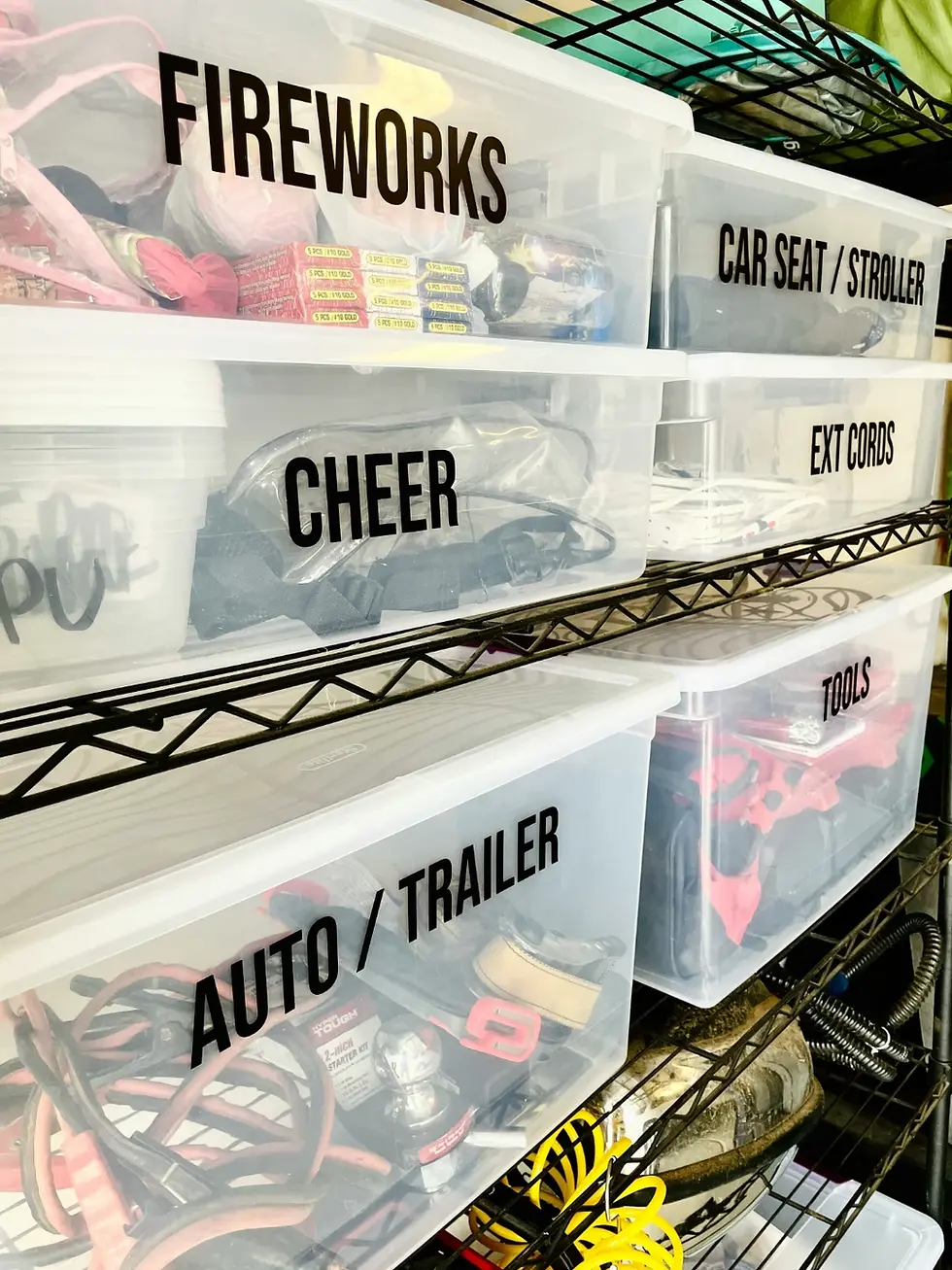
Labeling matters more than you think. Use colored tape for each room, number every box, and write a short description on the side. If you like digital organization, add QR codes or keep a phone inventory. Future you will be grateful.
Protect Fragile, Odd-Shaped, and High-Value Items
Fragile items need more than a quick wrap and a wish. Pack dishes vertically, cushion glassware inside and outside, and fill empty spaces with towels, paper, or soft clothing.
Still wondering how to pack for a move when items are awkward? Get creative. Pool noodles can protect mirror edges. Socks can cushion glasses. Cardboard scraps can stabilize lamp bases or framed art.
Careful packing reduces damage, saves space in the truck, and makes unloading much easier.
Moving Day Game Plan: Tips for a Smooth Experience
A strong moving day plan keeps everyone focused. Instead of reacting to every little problem, you’ll know what needs to happen and when.
Smart Scheduling and Timing to Avoid Delays
If you have flexibility, aim for a midweek or mid-month move. Demand is often lighter, and apartment elevators or loading zones may be easier to reserve.
Before the truck arrives, check parking rules, elevator bookings, school schedules, and weather. It is not exciting work, sure, but it can prevent expensive delays.
Communication Best Practices with Movers
Clear communication can prevent confusion, missed items, and surprise costs. The day before your move, confirm the arrival window, inventory, payment terms, and contact numbers.
Also share any tricky details ahead of time. Narrow streets, stairs, gate codes, fragile items, parking limits, and elevator restrictions all matter. Nobody enjoys discovering a surprise staircase while carrying a sofa.
Safety and Comfort on the Big Day
Your energy is one of your most important moving-day tools. Wear closed-toe shoes, keep water nearby, and make sure kids and pets stay away from heavy lifting areas.
Set aside cleaning wipes, paper towels, trash bags, scissors, and basic tools. You will probably need them faster than expected.
Next comes the part everyone looks forward to: turning the new place into home.
After the Move and Insider Packing Trends
A smart unpacking plan helps you settle in without feeling buried by boxes. Once the basics are handled, a few modern tools can make the rest of the process smoother.
Efficient Unpacking and Home Setup Checklist
Open the essentials box first. Then set up beds, bathrooms, and the kitchen. Comfort beats perfect decorating on day one. Truly, framed photos can wait. Toilet paper cannot.
Use your moving house checklist to track finished tasks, missing items, repairs, and follow-ups. Break unpacking into short daily sessions so it does not take over your life.
Updating Address and Utilities
Handle address changes early to avoid missed bills, delayed mail, or service interruptions. Update USPS, banks, insurance providers, subscriptions, voter registration, schools, doctors, and your employer.
Transfer utilities before move-in day when possible. Internet, electricity, water, gas, and trash pickup should all be confirmed before your first night.
Tech Tools and Social Packing Help
Technology can help, but people still matter. Moving apps, shared checklists, room planners, and photo inventories make tracking easier.
When asking friends for help, be specific. “Can you pack pantry items Saturday?” works better than “Can you help sometime?” Clear requests get better results.
A customized checklist keeps the move organized instead of reactive.
Why Choose Safe Ship for a Truly Stress-Free Move
Choosing the right moving support can help you avoid hidden fees, poor communication, and inconsistent service. The right coordination can turn a complicated move into a much more organized experience.
Comprehensive, Customer-Centric Support
Safe Ship works as a moving broker, connecting customers with vetted, licensed, and insured carriers across all 50 states. Their coordinators help manage logistics, paperwork, timelines, and communication.
Secure and Efficient Packing Coordination
Fragile, bulky, or high-value items often need extra planning. Coordinated packing support can reduce risk, save time, and make long-distance or complex moves feel less overwhelming.
The Safe Ship Difference
Secure packing is only part of the experience. The bigger goal is a smooth transition from start to finish. Safe Ship combines human support with digital move tracking so customers can stay informed without constantly chasing updates.
When the process is supported, you can focus on the fresh start ahead.
Common Questions About Moving and Packing
What is the 5 4 3 2 1 packing trick?
It is a simple method for first-day access: pack five daily basics, four clothing sets, three important documents, two comfort items, and one essentials bag. It works well for overnight needs and early unpacking.
How to make moving less overwhelming?
Break the move into small tasks and schedule them by week. Use a checklist, pack one room at a time, label boxes clearly, and ask for help early. Do not try to handle the whole move in one weekend.
What should I pack last when moving?
Pack daily-use items last. That includes toiletries, chargers, medications, bedding, basic cookware, pet supplies, snacks, and documents. Keep them with you, not buried in the moving truck.
Final Thoughts on 15 Moving and Packing Tips for a Stress-Free Move
A better move starts with planning, decluttering, smart supplies, clear labels, and a realistic timeline. These moving tips protect your time, your budget, and your belongings.
Use these packing tips for moving alongside a complete checklist, and consider trusted support if the move feels too big to handle alone. The easiest moves are rarely rushed. They are planned, paced, and handled with care.

Comments