
Garage Storage That Actually Works: Smart Ways to Reclaim Space Without Creating More Clutter

Discover smart garage storage ideas to reclaim space, organize tools and equipment, reduce clutter, and create a more functional, tidy garage.
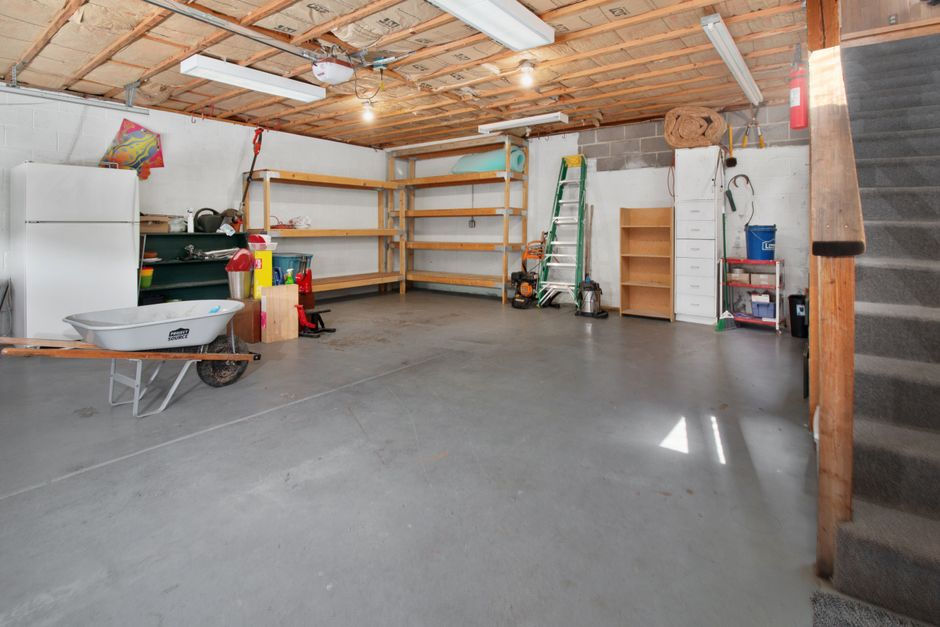
If your garage has turned into a holding zone for holiday bins, sports gear, and half-finished DIY plans, you’re not alone. Garages often become the most overworked space in a home and the least organized. A better setup can free up floor space, protect your stuff, and make everyday life less annoying. The key is building a system that fits how you actually live, not how an idealized storage catalog says you should.
Use vertical and overhead space before expanding storage on the floor
The biggest mistake in garage organization is treating the floor like it has unlimited real estate. It doesn’t. Floor storage gets messy quickly, blocks movement, and turns simple tasks into a mini obstacle course.
Walls and ceiling space usually offer far more potential. Wall-mounted systems help with tools, bikes, and smaller equipment, while ceiling-mounted storage is ideal for large bins and off-season items. That’s where overhead garage storage racks can make a major difference. They use the empty space above your head instead of competing with your car, workbench, or walking path.
A few smart uses include:
- Storing holiday decorations you only touch once a year
- Keeping camping gear out of the way between trips
- Lifting backup paper goods or bulk household supplies off the floor
- Creating better separation between active storage and long-term storage
Think of your garage like a small apartment. Every square foot should earn its keep.
Start by figuring out what your garage is really doing
Before you buy a single bin or shelf, step back and look at how you use the space. Some garages are parking zones. Others double as workshops, laundry areas, home gyms, or a catch-all for seasonal stuff. Most are doing two or three jobs at once, which is where chaos starts clocking in.
Walk through your garage and group items by purpose:
- Daily-use items like tools, backpacks, and cleaning supplies
- Seasonal gear like holiday decor or camping equipment
- Bulky items such as coolers, ladders, and storage totes
- Rarely used keepsakes that still need protection
Once you sort by frequency and size, patterns show up fast. Floor clutter usually comes from storing long-term items in high-traffic areas. That’s a space-planning problem, not a motivation problem. A garage works better when your layout matches your habits.
Choose storage based on weight, access, and durability
Not every shelf or rack is built for the same job, and garage storage fails when looks get picked over function. A clean system has to handle dust, temperature swings, awkward item sizes, and plain old gravity.
When comparing storage options, focus on these factors:
- Weight capacity for bins, tools, and heavy equipment
- Material strength, especially for overhead or wall-mounted setups
- Ease of access so you’re not wrestling a tote every time you need one thing
- Clearance around garage doors, lights, and vehicles
- Resistance to moisture, rust, and general wear
Plastic drawer towers may work inside a closet, but they tend to underperform in garages. Heavy-duty shelving and properly installed ceiling systems hold up far better over time. If you’re storing anything valuable, fragile, or bulky, stability matters more than style points. Good storage should feel boringly reliable. That’s a compliment.
Create zones so your garage doesn’t keep resetting into a mess
A garage gets messy again when everything technically fits, but nothing has a defined home. Zoning fixes that. It turns storage into a repeatable system instead of a one-time cleanup sprint powered by coffee and regret.
Set up your garage in practical zones based on use:
- Entry zone for shoes, bags, and grab-and-go items
- Tool zone near a workbench or repair area
- Lawn and garden zone close to the garage door
- Seasonal storage zone for high shelves or ceiling racks
- Sports and recreation zone with hooks, baskets, or cubbies
Keep the items you use most between waist and shoulder height. Place less-used bins higher up or farther back. This simple adjustment cuts down on reshuffling, which is often the hidden reason garages fall apart. When every category has a home, cleanup becomes faster and a lot less mentally exhausting.
Make safety part of the design, not an afterthought
Garage organization should make your home safer, not just tidier. Poorly planned storage can block exits, overload supports, or create falling hazards. That’s especially important if your garage stores sharp tools, chemicals, sports equipment, or anything heavy enough to cause damage.
A few practical safety checks go a long way:
- Keep flammable products away from heat sources
- Store heavy items in secure systems rated for the load
- Avoid stacking unstable bins too high on the floor
- Leave enough room around your vehicle doors and walkways
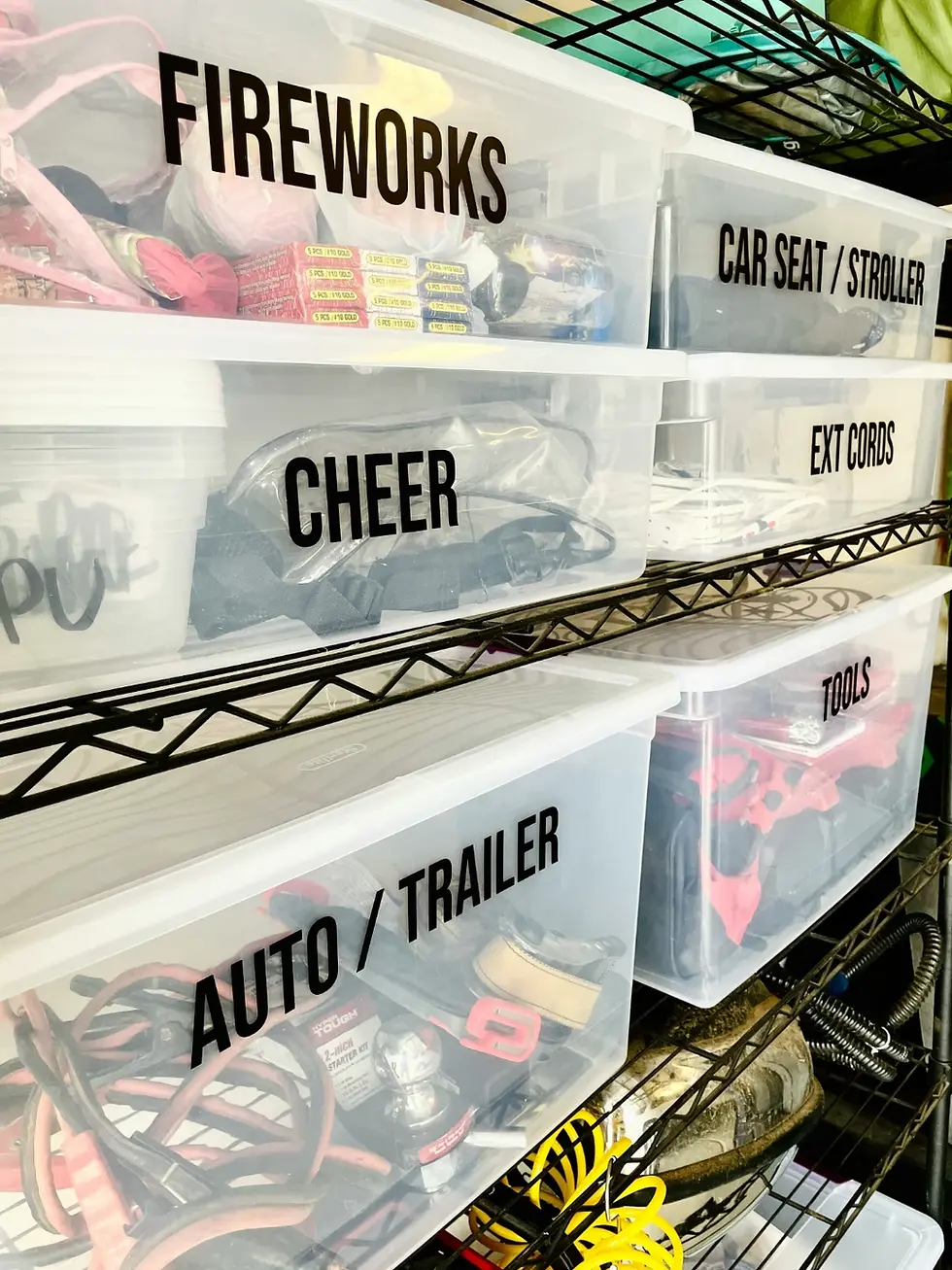
- Label containers so you’re not opening six boxes to find one extension cord
If you’re installing ceiling-mounted storage, accurate placement matters. You need enough clearance from garage door tracks, openers, and lighting. Proper mounting into structural supports is non-negotiable. A storage upgrade should solve problems, not create a future story that starts with, “So, this giant bin fell at 6 a.m.”
Keep the system easy enough to maintain all year
The best garage organization plan is the one you can stick with in February, not just the one that looks great for one Saturday afternoon. If your setup is too complicated, too crowded, or too hard to access, clutter will stage a comeback.
Build in a little maintenance with habits that take almost no effort:
- Return items to their zone right after use
- Review seasonal bins every few months
- Donate or toss things you haven’t used in a year
- Use clear bins for categories you need to identify quickly
- Leave some open space for life’s random incoming stuff
You also don’t need to organize everything at once. Start with the biggest pain point, whether that’s blocked parking space, tool clutter, or towers of mystery totes. One useful upgrade often creates enough momentum to improve the rest. A garage doesn’t need to look perfect. It needs to work smoothly, hold what matters, and stop wasting your time every time you open the door.
A smarter garage gives you more than extra storage
A well-organized garage changes how your home feels. You get easier access to your stuff, less visual stress, and more functional square footage without a renovation. That’s a solid return for a space many people ignore until it becomes a full-blown clutter headline.
When you use vertical zones, durable shelving, and overhead storage strategically, your garage starts serving your routine instead of interrupting it. The goal isn’t making the space look like a showroom. The goal is creating a layout that supports real life, from busy school mornings to weekend projects and everything in between.
If your garage has been acting like a storage black hole, a smarter system can pull it back into orbit. Clean floor space, easier access, and less clutter drama are all within reach.


Comments