
Woodworking Trends Homeowners Are Choosing To Add Warmth And Character

Explore woodworking trends homeowners choose to add warmth and character, from natural finishes to custom details that elevate comfort and style.
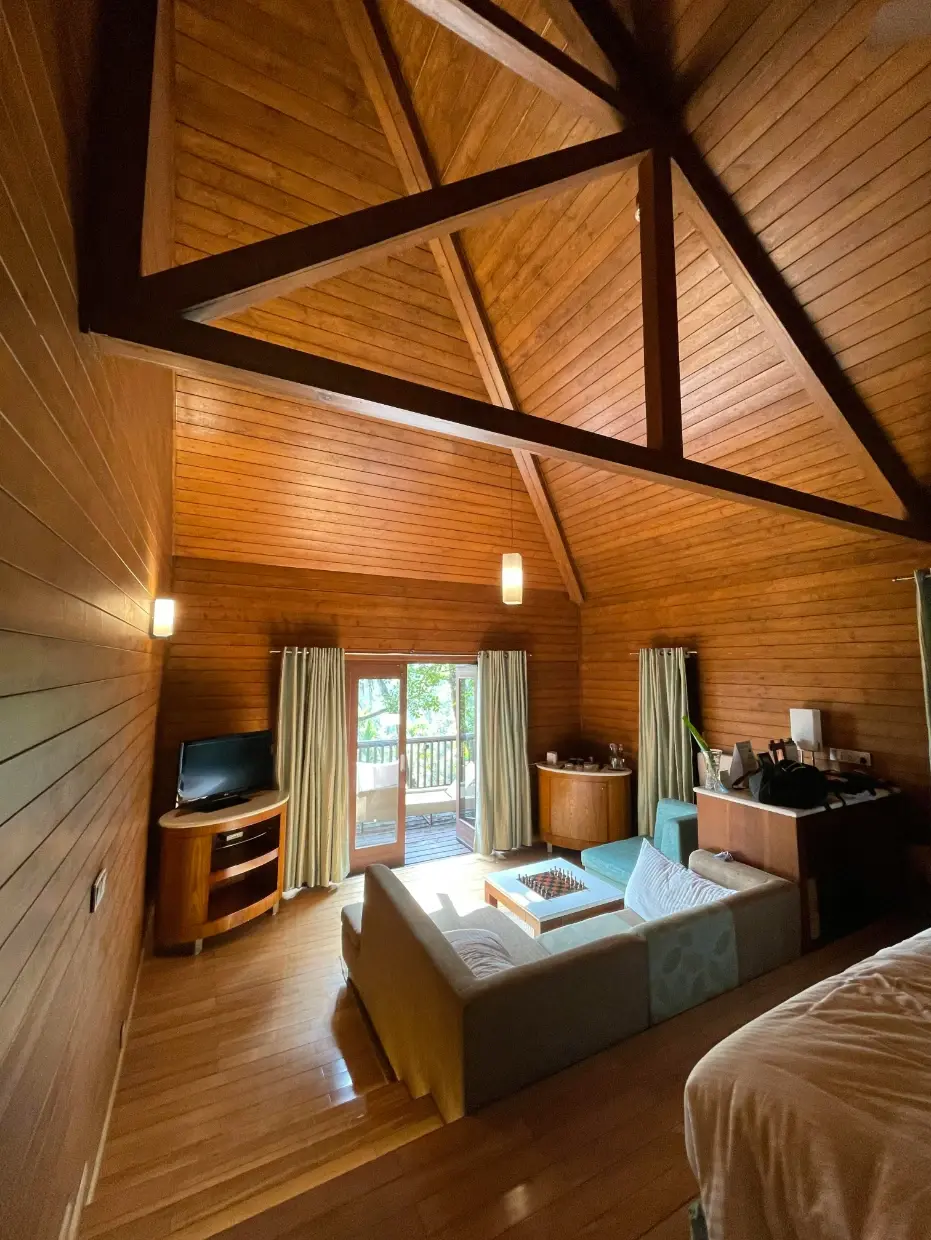
There is a point where a house stops feeling like a collection of furniture and starts feeling like it belongs to someone. Lately, that shift is happening through wood. Not the overly polished, showroom version, but pieces that carry texture, weight, and a sense of permanence. Homeowners are leaning into woodworking in a way that feels less like decoration and more like identity. It is showing up in kitchens, built-ins, ceilings, and even subtle architectural details that quietly change how a space feels.
The appeal is not complicated. Wood softens everything. It pulls the eye away from screens and sharp edges and gives a room something to rest on. What is interesting right now is not just that wood is trending, but how people are choosing to use it. The direction feels more personal, a little less perfect, and a lot more intentional.
Statement Built-Ins
Built-ins used to be about storage, now they are about presence. You walk into a living room and instead of seeing a wall, you see something that feels crafted. Floor-to-ceiling shelving, window benches that actually look like they belong in the house, media units that do not scream for attention but still anchor the room.
The difference is in the details. People are stepping away from flat, boxy shelving and opting for depth, trim work, and subtle variation in wood tones. Even painted built-ins often have a natural wood backing or interior that adds contrast without trying too hard. It gives the piece a layered look, like it evolved over time instead of being installed in a single afternoon.
There is also a practical side that makes this trend stick. Built-ins reduce clutter without feeling sterile. Everything has a place, but nothing feels hidden away. That balance is hard to get right, and woodworking is what makes it possible.
Inset Cabinet Revival
Kitchen design has been on a long run of sleek finishes, but things are shifting. There is a growing pull toward cabinetry that feels more traditional, but not in a dated way. Inset cabinets are leading that change, bringing back craftsmanship that you can actually see.
When you look at beautiful inset custom cabinets, the difference is immediate. The doors sit flush within the frame, which sounds simple until you realize how precise the construction has to be. That precision translates visually into clean lines that still feel warm, not sterile.
What people respond to is the quiet confidence of it. There is nothing flashy about inset cabinetry, but it holds up over time in a way that trend-driven finishes rarely do. Paired with natural wood tones or soft painted finishes, it creates a kitchen that feels grounded. You are not trying to impress anyone, but it ends up being impressive anyway.
Hardware choices are also playing a role here. Instead of oversized pulls, homeowners are leaning into understated metals, aged brass, or even minimal knobs that let the cabinetry do the talking. The whole look feels restrained, and that restraint is exactly what makes it work.
Mixed Wood Finishes
Matching everything used to be the rule. Floors matched cabinets, cabinets matched furniture, and the result was often predictable. Now, there is a clear shift toward mixing wood tones in a way that feels more relaxed and lived-in.
This is where rustic modern wood makes a serious difference. It is not about going full farmhouse or fully contemporary, but finding a middle ground where raw texture meets clean design. Think a smooth walnut island paired with lighter oak cabinetry, or reclaimed beams overhead contrasting with refined millwork below.
The key is contrast without chaos. When done well, mixed wood finishes create depth that a single tone cannot. Your eye moves through the space, picking up on variation without feeling overwhelmed. It feels natural, like the materials were chosen over time rather than all at once.
There is also a sense of forgiveness in this approach. Scratches, wear, and slight imperfections become part of the look instead of something to fix. That makes the space easier to live in, which is ultimately the point.
Architectural Wood Details
Some of the most effective woodworking trends are not the ones you notice right away. They are the details that shape a room without announcing themselves. Wall paneling, ceiling beams, and trim work are all making a strong return, but in a more refined way.
Instead of heavy, ornate designs, homeowners are choosing cleaner profiles that still add dimension. A simple grid panel on a wall can completely change how light moves through a room. Wood ceilings, even in small areas like a hallway or entry, can make the entire house feel more cohesive.
What stands out is how these elements tie everything together. You might not consciously register the paneling or the beam overhead, but you feel the difference. The space feels finished, considered, and a little more substantial.
It is also a way to add character to newer homes that might otherwise feel generic. A few well-placed architectural details can do more than a room full of furniture ever could.
Functional Furniture Pieces
Furniture is moving away from disposable and back toward something that feels built to last. That does not mean heavy or old-fashioned. It means pieces that have a sense of structure and intention behind them.
Custom dining tables, solid wood coffee tables, and even built-in desks are becoming focal points again. People want furniture that feels like it belongs in their home, not something that could be swapped out next year without anyone noticing.
There is also a growing appreciation for visible craftsmanship. Joinery details, subtle curves, and hand-finished surfaces are no longer hidden. They are part of the appeal. You can see how the piece was made, and that connection matters.
At the same time, these pieces are designed for real life. Durable finishes, thoughtful proportions, and practical layouts make them usable, not just beautiful. That balance is what keeps them from feeling precious or untouchable.
Natural Finishes Over Gloss
High-gloss finishes had their moment, but they are fading fast. The current direction leans toward finishes that let the wood speak for itself. Matte, satin, or even raw finishes are taking over, and the effect is immediate.
Natural finishes highlight grain, variation, and texture in a way that glossy coatings simply cannot. You see the knots, the subtle shifts in tone, the imperfections that make each piece unique. It feels more honest.
There is also a tactile element that people respond to. Surfaces feel softer, less slippery, more connected to the material itself. It changes how you interact with space, even in small ways.
This approach works across the board, from cabinetry to furniture to flooring. It creates a consistent look that feels calm without being boring. Nothing is trying too hard, and that is exactly why it works.
Woodworking is not just filling space right now, it is defining it. The shift is toward pieces and details that feel intentional, grounded, and built to last. It is less about chasing a look and more about creating something that holds up over time, both visually and functionally.


Comments