
Why Proper Packing Matters for Stationery

Learn why proper packing matters for stationery to prevent damage, maintain product quality, and create a better storage, shipping, and customer experience.

Every household needs some office supplies, especially if you have a dedicated home office or children in school or college. When moving, you may wonder how to pack these items. Although packing and labeling school and office supplies may seem simpler than transporting furniture or electronics, poorly organized supplies can easily become damaged or lost and be difficult to sort after moving. Items such as pens, markers, notebooks, paper supplies, school materials, and home office accessories are often small and numerous. They can easily get mixed together during packing. Using structured packing methods helps protect these materials and simplifies unpacking in your new home.
Group different items
Before packing, try to group stationery items by function and usage category. Liquids and fragile stationery items require particular attention. Instead of placing all loose items in one box, separate the supplies according to their purpose:
Children’s art supplies, school supplies, home office supplies, and important document supplies should be packed separately.
Pens, pencils, markers, scissors, sticky notes, staplers, chargers, and cables should be organized in smaller containers or zippered pouches and then placed in larger moving boxes.
Glue, correction fluid, paint, and ink cartridges should be sealed in leak-resistant bags to prevent spills that could damage notebooks, folders, or documents.
Sharp objects, such as scissors or craft knives, should be wrapped securely for safety during transport.
Fragile desk organizers or decorative stationery holders made from glass or thin plastic should be cushioned with packing paper or bubble wrap.
This prevents small objects from scattering and makes unpacking significantly more efficient.
Use sturdy containers
Although stationery items may seem lightweight individually, paper products such as books, notebooks, printer paper, and folders become surprisingly heavy when packed together. Small or medium-sized boxes are safer for these materials because they are easier to lift and less likely to collapse. Plastic storage bins can also protect against moisture and accidental crushing during transportation. Specify that you might need special containers for stationary, if professional movers https://paramountmoving.ca/vancouver/service-locations/local-moving-abbotsford/ help you with packing.
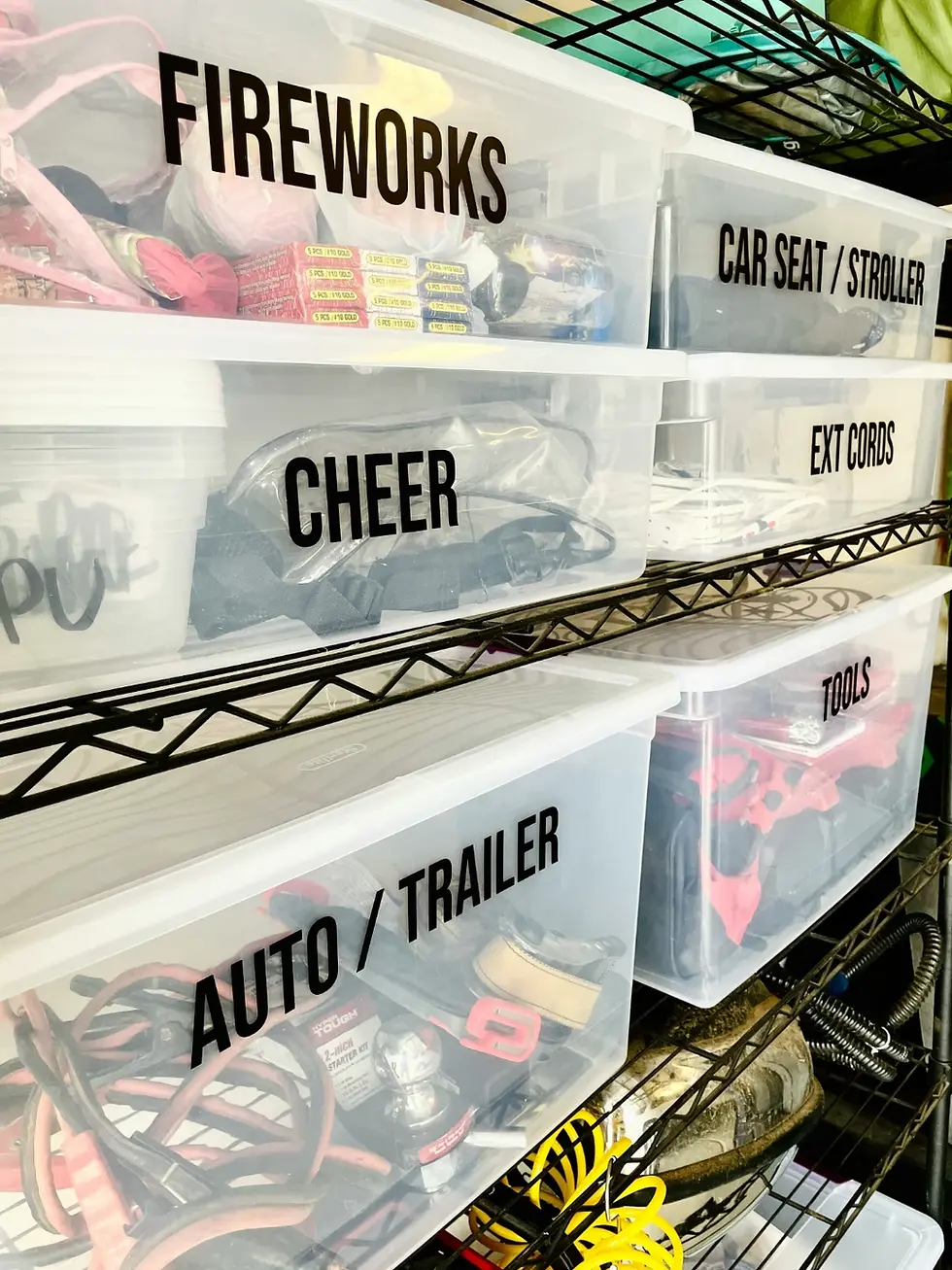
Using internal dividers or smaller organizer boxes helps keep larger containers organized. School and office supplies often contain many small components, and organized storage prevents damage caused by shifting during transit. Transparent containers also simplify identification after moving.
Label the boxes properly
Clear labels save considerable time during the unpacking process and reduce confusion, especially in households with children or shared office spaces. Labels should identify both the room and the contents' category. Examples include "Children's School Supplies," "Home Office Pens and Files," and "Craft Materials." Color-coded stickers or markers can further simplify the sorting process. Because moving environments may expose boxes to humidity or dust, it is better to use waterproof labeling methods. Permanent markers and adhesive labels generally remain visible throughout transportation.
Important and frequently used stationery items should be packed separately in an easily accessible box of essentials. This may include items such as pens, notebooks, chargers, labels, scissors, and documents that will be needed immediately upon arrival.


Comments