
Why Are More Tea Drinkers Switching to Loose Leaf Herbal Blends?

Discover why more tea drinkers are choosing loose leaf herbal blends, from richer flavors and ingredient variety to customizable brewing and mindful routines.
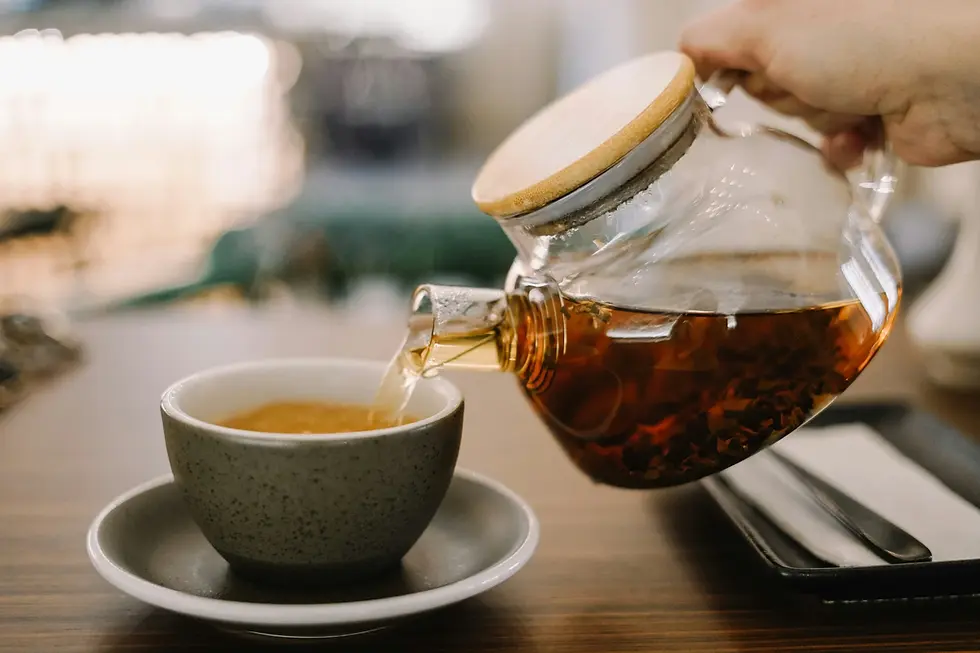
Tea habits are shifting as drinkers look for greater control over flavor, ingredients, and daily routines. Loose leaf herbal blends meet that need with visible botanicals, layered aromas, and flexible brewing. Herbal infusions differ from conventional tea in that they do not use tea leaves but rather various herbs, fruits, flowers, and spices.
Caffeine is naturally absent in many of them as well. This change reflects a practical interest in fresher ingredients, personal choice, and a more intentional approach to enjoying a warm drink at home.
Greater Control Over Flavor
The main appeal is control. A measured scoop can create a lighter morning drink or a fuller evening infusion without changing the blend. Many shoppers choose loose leaf herbal tea because the ingredients are easier to see and assess than those inside a sealed bag. Leaves, petals, fruit pieces, and spices also release flavor at different rates, producing a cup with more depth and texture.
Tea bags are convenient, but their compact compartments can limit how much the ingredients expand. Loose botanicals have more room to open in hot water, which helps release their aroma and fuller flavor. Drinkers can also adjust the quantity used, making it easier to control strength without using an entire bag.
More Variety in Every Cup
Herbal blends provide a wide selection of flavor profiles. Mint offers a cool, clean finish, while chamomile brings soft floral notes. Ginger creates warmth, and hibiscus adds a bright, tart character. Fruit pieces may contribute gentle sweetness, while spices add depth and mild heat.
That range gives households more options throughout the day. A refreshing mint blend may suit an afternoon pause. A floral infusion can support a quiet evening routine. A spiced mixture may feel satisfying after a meal. The wide variety of ingredients used in herbal blends allows for an incredible range of flavor profiles.
Caffeine-Free Options
Caffeine is another factor behind this change in preference. Herbal blends made from flowers, herbs, fruit, and spices are generally caffeine-free. This appeals to people who want a warm beverage later in the day without adding stimulation to their routine.
Ingredient labels still deserve careful attention. Some products combine herbs with black, green, or white tea, which naturally contains caffeine. Reviewing the complete ingredient list helps shoppers select an infusion that suits their needs. Clear labels also make it easier to identify potential allergens or ingredients that may not fit certain dietary preferences.
A Practical Brewing Experience
Loose herbal blends are easy to prepare with basic equipment. A practical starting point is one to two teaspoons for every eight to twelve ounces of water. Most herbal infusions respond well to water at or just below boiling temperature. Steeping for five to ten minutes generally creates a balanced cup, although some stronger blends may benefit from more time.
A fine-mesh infuser helps keep small pieces out of the drink. A teapot or larger basket gives the ingredients additional room to expand. Once brewed, the infusion can be strained and adjusted with extra water, a small amount of sweetener, or a slice of citrus.
Storage also influences flavor. Herbs should be kept in an airtight container away from heat, moisture, and direct sunlight. Purchasing moderate amounts may help preserve aroma, especially with delicate flowers and fruit-based mixtures. Measuring each serving also improves consistency from one cup to the next.
Better Value and Less Packaging
Loose blends can provide practical value because drinkers control each serving. A smaller portion may suit a mild cup, while a larger amount can create a stronger infusion. That flexibility may reduce the need to use multiple tea bags when preparing a pot.
Less individual wrapping can also appeal to households seeking to reduce disposable materials. The exact benefit depends on packaging, serving size, and purchasing habits. Reusable strainers and refillable containers can support a lower-waste routine while preserving flavor and convenience.
Conclusion
More tea drinkers are choosing loose-leaf herbal blends because they offer control, variety, and reliable caffeine-free options. Visible ingredients make quality easier to assess, while adjustable portions suit different taste preferences. Herbal combinations can also match changing routines, from bright daytime refreshments to gentle evening infusions.
With proper storage, measured servings, and suitable steeping times, loose blends remain simple to prepare. Their appeal comes from practical benefits that improve the everyday tea experience.



Comments