
What to Know Before Having Solar Panels Installed at Home

Learn what to know before having solar panels installed at home, including costs, energy savings, roof suitability, and long term benefits.
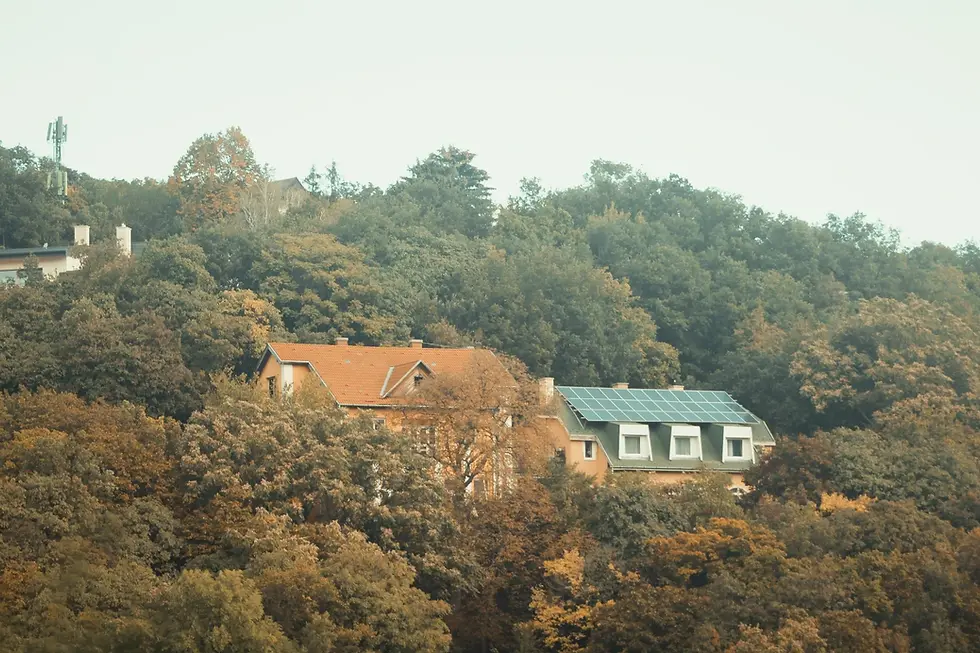
Installing solar panels is one of the most significant and financially impactful home improvements a property owner can make, reducing energy bills, lowering the carbon footprint, and, in many cases, increasing property value. The decision involves a range of technical, financial, and practical considerations that are worth understanding before approaching any installer. Choosing solar installation by SM Electrical Services means working with specialists who manage the full process from site assessment and system design through to professional fitting, ensuring the right solution is identified for each property and energy profile.
Is Your Property Suitable for Solar Panels?
The suitability of a property for solar panels depends on several factors, including the roof's orientation and pitch, the amount of shading from trees or neighbouring buildings, and the structural condition of the roof covering. South-facing roofs in the UK receive the most solar irradiance and produce the best annual yield, though east- or west-facing roofs can still generate meaningful amounts of electricity. A site assessment by a qualified installer will evaluate all of these factors and provide an accurate estimate of what a system installed at that specific property is likely to generate across a typical year.
Understanding System Size and Output
Solar PV systems are sized in kilowatt-peak (kWp), which represents the maximum power output under standard test conditions. A typical domestic installation in the UK ranges from 3 kWp to 6 kWp, with larger systems providing more electricity but requiring more roof space. The right system size depends on the household electricity consumption, the available roof area, and the budget available. An installer will typically model the expected annual generation against household consumption to identify the system size that offers the best return on investment for the specific property.
Battery Storage and What It Adds
A solar battery storage system allows electricity generated by the panels during daylight hours to be stored and used in the evening or on overcast days, rather than being exported to the grid. Adding a battery significantly increases the share of solar-generated electricity consumed by the household, thereby reducing the amount purchased from the grid and improving the financial return on the overall investment. Battery technology has improved considerably in recent years, and costs have fallen, making storage a practical and increasingly cost-effective addition to new solar installations.
Planning Permission and Permitted Development
In most cases, solar panels installed on a domestic property in England and Wales are classified as permitted development, meaning planning permission is not required provided certain conditions are met. These include restrictions on how far the panels protrude from the roof surface and requirements that apply to listed buildings or properties in conservation areas, where permitted development rights may not apply. Homeowners should check the permitted development rules that apply to their specific property before installation begins, as installing panels without the necessary consent in a restricted area can result in an enforcement notice.
The Installation Process
A domestic solar PV installation typically takes between one and two days, depending on the size of the system and the complexity of the roof. The installation involves fixing mounting brackets to the roof structure, attaching the panel frames, routing the DC cabling to the inverter location, installing the inverter, and connecting the system to the household distribution board. Once complete, the system is commissioned and tested, and the installer will register it with the Distribution Network Operator to ensure the export connection is correctly established. Most reputable installers will also handle the Smart Export Guarantee application on the homeowner's behalf.
Choosing a Qualified Installer
A qualified electrician must carry out solar PV installations. In the UK, installations must be carried out by installers registered with the Microgeneration Certification Scheme (MCS) to qualify for the Smart Export Guarantee scheme. MCS registration assures the quality of both the product and the installation, as registered installers must adhere to a defined code of practice. Checking MCS registration before committing to any installer and requesting a written quotation specifying the panel brand, inverter model, and warranty terms is the most straightforward way to compare providers on a like-for-like basis.


Comments