
Vinyl vs. Plank Flooring: A Beginner's Guide to Choosing the Right Floor

Compare vinyl and plank flooring to understand their differences, benefits, costs, and durability so you can choose the right option for your home.

Choosing new floors can feel overwhelming, especially when you're staring at options that look almost identical at first glance. Two of the most popular choices on the market right now are vinyl and plank flooring.
If you've been going back and forth trying to figure out which one suits your home, you're definitely not alone. The vinyl vs. plank flooring debate comes up all the time, and for good reason.
Both options promise durability, style, and easy installation. However, they differ in some important ways that could make or break your decision.
In this guide, you'll get a clear and honest breakdown of how these two flooring types stack up. By the end, you should feel confident picking the one that works best for your space, your lifestyle, and your budget.
What Is Vinyl Flooring?
Vinyl flooring is a synthetic material made primarily from polyvinyl chloride, commonly known as PVC. It's been a go-to choice for homeowners who want something affordable and low-maintenance.
You'll typically find vinyl in three main formats: sheet vinyl, vinyl tiles, and luxury vinyl plank. Each format has its own set of perks, but luxury vinyl plank has really taken the spotlight in recent years.
One of the biggest draws of vinyl is its water resistance. That makes it a fantastic option for kitchens, bathrooms, and laundry rooms where spills are part of daily life.
Vinyl also comes in an impressive range of designs that can mimic the look of wood, stone, or ceramic tile. If you're curious about how different vinyl styles would look in your own room, Free tool like the Floorma flooring visualizer can help you preview different options before committing.
On top of that, vinyl is softer underfoot compared to many hard-surface flooring options. This added comfort can be a real bonus if you spend a lot of time standing in the kitchen or moving through hallways.
What Is Plank Flooring?
Plank flooring refers to solid or engineered wood flooring that comes in long, narrow boards. It's known for its natural beauty and the warm, authentic feel it brings to any room.
Solid plank flooring is milled from a single piece of hardwood, which gives it incredible character and longevity. Engineered plank, on the other hand, features a real wood veneer layer bonded to a plywood or composite core.
What many people love about plank flooring is that it adds genuine value to your home. Real wood floors are consistently sought after by homebuyers, so they can be a smart long-term investment.
Plank flooring is also extremely versatile when it comes to design. Whether you prefer the rustic charm of wide oak planks or the sleek look of narrow walnut, there's a style that fits nearly every taste.
That said, wood plank flooring does require a bit more care than synthetic alternatives. You'll want to keep it away from excess moisture and give it occasional refinishing to maintain that fresh appearance.
Key Differences: Durability and Water Resistance
When it comes to everyday durability, both vinyl and plank flooring hold up well under normal household traffic. Still, they handle wear and tear differently depending on the conditions.
Vinyl flooring is practically waterproof, which gives it a clear advantage in moisture-prone areas. You can mop up spills or even deal with minor flooding without worrying about permanent damage.
Plank flooring, especially solid hardwood, is far more sensitive to water. Prolonged exposure to moisture can cause warping, cupping, or staining that's tough to reverse.
Engineered plank does better with humidity than solid wood, but it's still not in the same league as vinyl when it comes to water resistance. If your home tends to be humid or you're flooring a basement, vinyl is typically the safer bet.
On the flip side, plank flooring has a significant advantage when it comes to scratch repair. You can sand and refinish hardwood planks multiple times over their lifespan, something vinyl simply cannot offer.
So the durability winner really depends on your biggest concern. If water resistance tops your list, vinyl wins; if long-term refinish-ability matters more, plank flooring takes the lead.
Comfort and Feel Underfoot
This is one area where personal preference really comes into play. The way a floor feels under your feet can affect how much you enjoy living in your home day to day.
Vinyl flooring tends to be softer and slightly springy, especially when installed with an underlayment pad. This cushioned feel can be easier on your joints if you're standing for long stretches in the kitchen.
Plank flooring, by contrast, has a more solid and firm feel underfoot. Many homeowners describe it as grounding and substantial, which adds to the premium experience of real wood.
Temperature is another factor worth thinking about. Vinyl can feel cool to the touch in winter, while wood plank flooring naturally retains a bit more warmth.
Of course, adding area rugs to either type can help even out comfort differences. Ultimately, the best way to judge feel is to walk on samples of both before making your choice.
Cost Comparison: Vinyl vs. Plank Flooring
Budget is often one of the deciding factors when comparing vinyl vs. plank flooring. The price gap between these two can be significant, so it's important to know what you're getting into upfront.
Vinyl flooring is generally the more budget-friendly option, with costs typically ranging from $1 to $5 per square foot for materials. Even luxury vinyl plank, which is the premium tier, rarely exceeds $7 per square foot.
Plank flooring, especially solid hardwood, comes at a higher price point. You can expect to pay anywhere from $5 to $15 or more per square foot, depending on the wood species and finish.
Installation costs add another layer to the comparison. Vinyl is often easier and cheaper to install, while hardwood plank installation usually requires professional labor, which bumps up the total.
However, keep in mind that hardwood plank flooring can last decades and even increase your home's resale value. Vinyl, while affordable, typically has a shorter lifespan and may need replacing after 15 to 20 years.
Before you settle on a budget, it helps to see how your preferred options actually look in your space. The Floorma flooring visualizer lets you test different styles side by side so you can feel good about where your money is going.
Installation: Which One Is More DIY-Friendly?
If you enjoy tackling home projects yourself, vinyl flooring is hard to beat for ease of installation. Most luxury vinyl plank products use a click-lock system that snaps together without glue or nails.
You can typically lay vinyl plank flooring over existing floors, which saves time and avoids the mess of a full tearout. Many first-time DIYers finish an entire room in a single weekend.
Plank flooring installation is a different story. Solid hardwood usually needs to be nailed or stapled down to a wooden subfloor, which requires specialized tools and some experience.
Engineered plank flooring offers a middle ground, since some versions use a floating click-lock system similar to vinyl. Still, getting the fit right around doorframes and transitions takes a bit more skill.
Whichever option you lean toward, always make sure your subfloor is level and clean before starting. A bumpy or dirty subfloor can cause problems with both vinyl and plank flooring down the road.
Best Rooms for Each Flooring Type
Not every floor belongs in every room, and knowing where each type shines can save you headaches later. Think about how each space in your home is used before making a decision.
Vinyl flooring is ideal for moisture-heavy areas like bathrooms, kitchens, mudrooms, and basements. Its waterproof nature means you won't have to stress about warping from splashes or humidity.
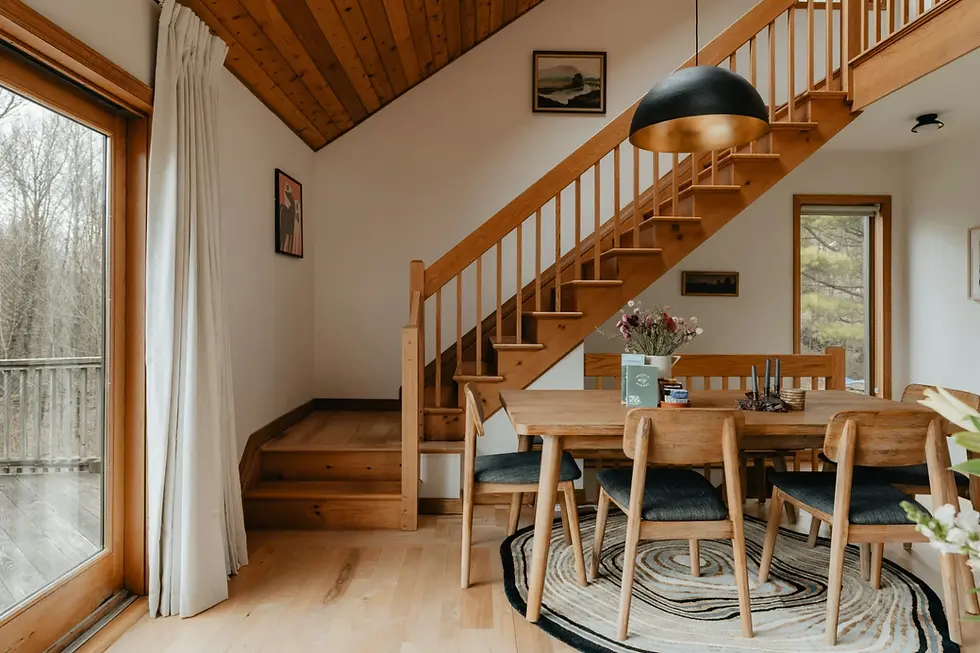
Plank flooring looks stunning in living rooms, bedrooms, dining rooms, and entryways. These tend to be drier spaces where the natural warmth and elegance of wood can really be appreciated.
Some homeowners even mix both types throughout the home to get the best of both worlds. For instance, you might choose hardwood planks for your main living areas and vinyl for the bathrooms and laundry room.
This mix-and-match approach lets you enjoy beauty and practicality without compromising on either front. Just make sure the transitions between the two flooring types look seamless for a polished result.
Which One Is Right for You?
At the end of the day, the right choice comes down to your priorities. Neither option is universally better; it all depends on what matters most to you.
If you want a waterproof, budget-friendly floor that's easy to install yourself, vinyl flooring is your best friend. It handles moisture, pets, and busy households with ease.
If you value natural beauty, long-term home value, and a floor you can refinish over the years, plank flooring is the way to go. The upfront investment pays off in lasting appeal and resale potential.
Consider your household too. Families with young kids or pets might lean toward vinyl for its forgiving nature, while empty nesters upgrading their space may prefer the sophistication of real hardwood.
Your local climate and the specific rooms you're flooring should also factor into the decision. A little planning now goes a long way toward avoiding frustration later.
Final Thoughts
The vinyl vs. plank flooring conversation doesn't have to be stressful. Once you understand the key differences in durability, cost, comfort, and installation, the decision becomes much clearer.
Vinyl delivers unbeatable practicality for wet areas and tight budgets. Plank flooring brings timeless beauty and real value to spaces where moisture isn't a major concern.
You don't have to rush your decision, either. Take the time to visit showrooms, request samples, and compare how each option looks in different lighting.
For an even easier start, try the Floorma floor visualizer tool to see how your top choices look right in your own home. It takes a lot of the guesswork out of the process and helps you move forward with confidence.
No matter which direction you go, the most important thing is that your new floor fits the way you actually live. Choose with your lifestyle in mind, and you'll love the result for years to come.


Comments