
Tips for Expanding Your Home to Add a Small Office or Workspace

Explore practical tips for expanding your home to add a small office or workspace that improves productivity, comfort, and everyday functionality.
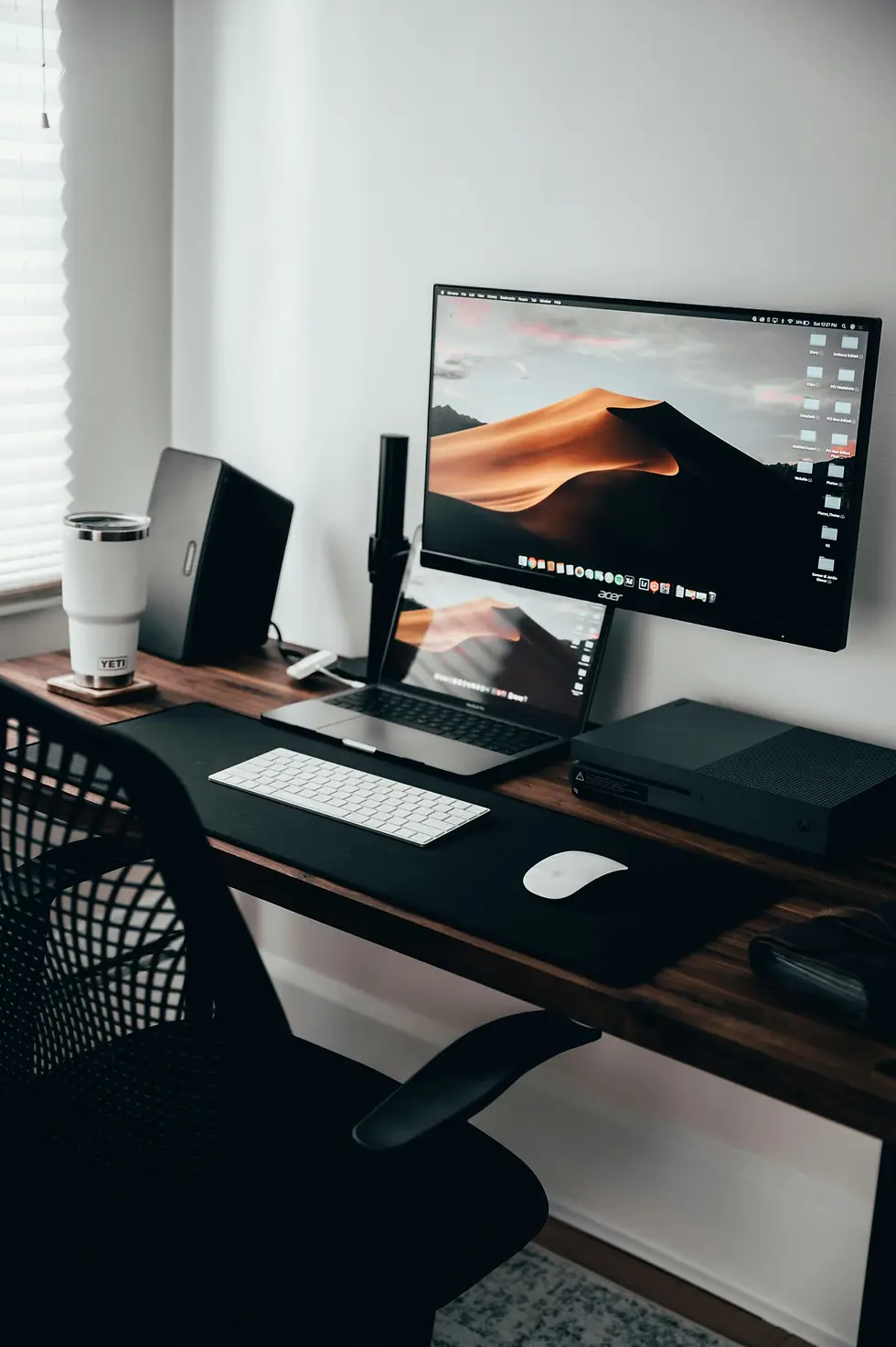
A home office or workspace can add convenience and efficiency to your daily routine. Having a dedicated area where you can focus on your tasks allows you to stay organised and minimise distractions, whether you’re working remotely or managing personal projects.
Careful planning and consideration are crucial when incorporating this addition to your existing space. Your available square footage, for instance, may limit certain design elements or the amount of storage you can include. But with the right approach, you can design a small yet functional home office that meets your needs. Here are some practical tips to help you create the perfect workspace at home.
Repurpose Underused Spaces
Although constructing a new room for your home office can offer flexibility, it may not always be the most practical option. This approach often requires a significant investment, which may put a strain on your overall budget. In this case, it might be more cost-effective to repurpose underused spaces in your home. Because these areas are already part of your existing layout, they can be easier to adapt with fewer major changes. Areas like corner nooks, spaces under the staircase, and unused alcoves can provide enough room to set up a small workspace.
To ensure that you can maximise these spaces effectively, hire a professional with expertise in spatial planning. Many architectural designers in Dunedin and across New Zealand specialise in creative, space-saving solutions, and can help you optimise your home layout for work purposes.
Plan for Electrical and Tech Needs
When adding a home office, it’s essential to consider your electrical and technology requirements. A small workspace can quickly become inconvenient if there are insufficient power outlets or unreliable internet connectivity. Planning for these needs ahead of time ensures you can create a functional and efficient work environment.
Start by identifying the devices you'll use, such as computers, printers, and lighting. When you know how many devices you’ll need to plug in at once, it will be easier to determine the number of power outlets you’ll require. It’s also a good idea to plan for future upgrades or additional equipment. If possible, install dedicated circuits to avoid overloading your home’s electrical system.
Additionally, ensure that your new workspace is within range of your router or consider a Wi-Fi extender to improve signal strength. Furthermore, hiring a licensed electrician to handle installations can ensure everything is up to code and safe for use.
Maximise Vertical Space
Maximising vertical space can significantly enhance the functionality of a small home office. Thinking upwards lets you keep the floor area clear, making the workspace feel larger and more organised.
There are many solutions that can help you utilise vertical space effectively. Shelves or cabinets that hang above your desk can store items you don’t use often, freeing up valuable desk space. Wall-mounted hooks or pegboards are also useful for hanging tools, stationery, or even bags. For documents, consider vertical storage organisers instead of bulky filing cabinets. This ensures everything stays tidy and within reach while using minimal space.
Choose Smart Furniture
Smart furniture can make a small home office more efficient and comfortable without crowding the space. The right pieces combine functionality with design, helping you get the most from your home office.
Desks with built-in storage or compact foldable designs, for instance, can reduce clutter while providing an essential work surface. Multi-purpose furniture, such as chairs with hidden compartments or wall-mounted tables, on the other hand, offers extra utility without taking up additional floor space. Meanwhile, lightweight or modular pieces allow you to rearrange the room easily as your needs change. Careful selection of furniture ensures your workspace remains organised and practical, making even a small area feel spacious and well-designed.
Consider Acoustic Treatment
A quiet environment is an essential part of any home office. Unwanted noise from traffic, household activity, or neighbours can make it difficult to concentrate, which can affect your productivity levels and the quality of your work. As such, it’s worth investing in solutions that minimise noise and distractions. Acoustic treatment helps create a calm, distraction-free space, allowing you to work efficiently and maintain focus throughout the day.
One of the most common methods is installing acoustic panels or foam tiles on the walls. These materials offer targeted noise control, reducing echoes and dampening external sound. If your home office is in a separate room, door seals and draft stoppers can also improve sound insulation, as they can help block sounds from adjoining rooms. Moreover, adding soft furnishings, such as rugs, curtains, or upholstered chairs, can help absorb sound, further enhancing the overall quietness of your workspace.
A small home office can make a significant difference in your daily productivity and comfort. With careful planning, even the most compact areas can be transformed into efficient, organised environments. The key to creating that space is designing an area that reflects your work habits and allows you to focus without distractions. Investing in thoughtful design and smart solutions ensures that your workspace remains practical and inspiring for years to come.



Comments