
Why Marble Countertops Instantly Make Any Kitchen Feel Luxurious

Learn why marble countertops elevate kitchens with timeless beauty, natural veining, and a luxurious feel that enhances light, value, and style.

Walk into a kitchen and you can usually tell right away how it feels. Some spaces feel warm and inviting. Others feel impressive, even a little special, without trying too hard. Ever notice that? It’s rarely about flashy appliances or bold colors. More often, it’s the surfaces. And few surfaces change the mood of a kitchen as quickly as marble.
There’s something about it that just works. You might not be able to explain it on the spot, but you feel it. The room feels calmer. More considered. Like someone paid attention to the details.
So why does marble have that effect?
That First Look Hits Different
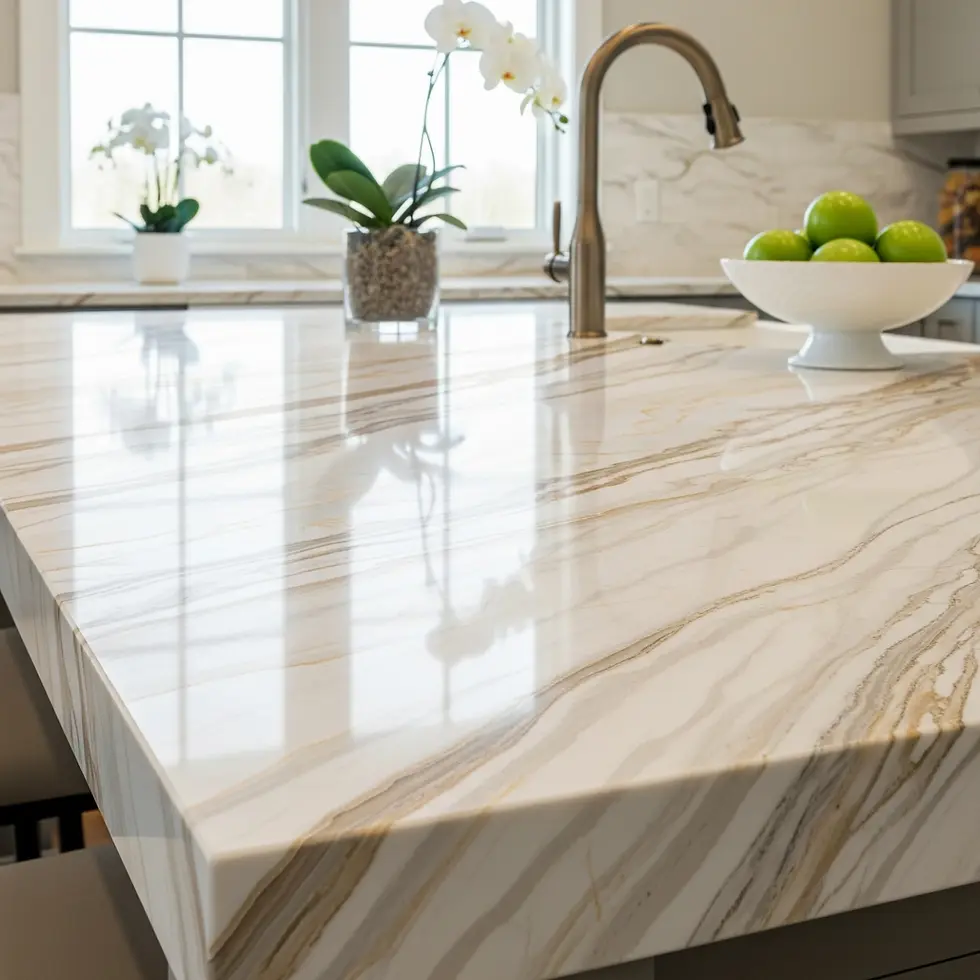
The first thing most people notice about marble is that it doesn’t look manufactured. Because it isn’t. The veining is natural, irregular, and impossible to copy perfectly. No repeating patterns. No obvious symmetry. Each slab has its own personality.
Light plays off it in a softer way, too. Instead of a sharp shine, marble has a gentle glow. It reflects light without screaming for attention. That alone can make a kitchen feel more relaxed and refined at the same time.
Designers often come back to marble countertops because the stone adds depth and character in a way that engineered materials struggle to match. It doesn’t dominate the room. It quietly elevates it.
And that quiet confidence? That’s where luxury starts.
A Material With a Long Memory
Marble isn’t new. It’s been used for centuries in buildings, sculptures, and homes that were meant to last. Palaces. Museums. Historic homes that still feel impressive generations later.
That history matters, even if we don’t think about it consciously. When you see marble, there’s a sense that it belongs. That it has earned its place. It carries a kind of visual authority that newer materials just don’t have yet.
This doesn’t mean marble feels old-fashioned. Not at all. In fact, that long history is part of what makes it work so well in modern kitchens. It brings balance. Clean cabinets and simple lines pair beautifully with a surface that has a bit of story built into it.
It’s the difference between something that’s trendy and something that feels grounded.
Everyday Moments Feel a Little More Intentional
Luxury isn’t only about how a space looks when it’s perfectly clean and staged. It’s about how it feels when life is happening.
Think about a normal morning. Coffee brewing. Sunlight coming through the window. You lean against the counter while checking your phone or talking to someone across the room. Marble has a cool, solid feel under your hand. It’s subtle, but it changes the experience.
Cooking feels different, too. Rolling dough. Chopping vegetables. Setting out plates when friends come over. The surface itself becomes part of the moment, not just a background detail.
Isn’t that what a great kitchen should do? Support daily life while making it feel just a bit more special?
Simplicity Is What Makes It Stand Out
One reason marble reads as luxurious is because it doesn’t need help. It doesn’t rely on bold colors or heavy patterns to make an impact. In fact, it often looks best when everything else is kept simple.
That’s why marble works in so many styles of kitchens. Modern spaces benefit from its softness. Traditional kitchens get a fresh edge from its clean surface. Even minimalist designs feel warmer with marble in the mix.
It also pairs well with almost anything. Wood, metal, painted cabinets, natural light. Marble doesn’t fight for attention. It complements.
There’s confidence in that restraint. And confidence is always a big part of luxury.
The Beauty of Aging Gracefully
One thing that surprises people about marble is how it changes over time. It’s not a surface that stays frozen in perfect condition forever. And that’s actually part of the appeal.
Small marks, soft wear, and subtle changes in tone build up slowly. This is called patina, and many homeowners come to appreciate it. Instead of looking worn out, marble starts to feel lived in. Comfortable. Real.
In a world full of materials designed to look brand new forever, marble goes the opposite direction. It tells the story of the kitchen. Of meals cooked, conversations had, and years spent using the space.
For many people, that’s far more appealing than perfection.
It Signals Quality Without Saying a Word
There’s a reason marble is often associated with high-end homes, even when the rest of the kitchen is fairly simple. The material itself signals care and intention.
You don’t need to explain it to guests. They notice. They might not comment directly, but the impression is there. The kitchen feels thoughtfully put together. Like someone made choices based on how the space would feel long term, not just what looked good in a showroom.
That kind of quiet signal is powerful. It’s not about showing off. It’s about creating an environment that feels solid and considered.
Why It Still Feels Luxurious After the Trend Cycle Moves On
Kitchen trends come and go quickly. Colors shift. Finishes change. What felt cutting-edge five years ago can suddenly feel dated.
Marble has managed to avoid that cycle. It’s never the loudest option in the room, which is probably why it lasts. Instead of chasing trends, it sets a baseline of elegance that adapts as styles evolve around it.
You can update cabinet colors. Change hardware. Swap out lighting. Marble stays relevant through all of it. That long-term flexibility adds to the sense of luxury. It feels like a smart choice, not a risky one.
Bringing It All Together
At the end of the day, marble doesn’t make a kitchen feel luxurious because it’s expensive or dramatic. It does it because it feels honest.
It’s natural. It’s grounded. It carries history without feeling heavy. It elevates everyday moments instead of demanding attention. And over time, it becomes more personal, not less.
That’s a rare combination.
So if a kitchen feels instantly luxurious when you walk in, there’s a good chance marble is part of the reason. Not because it’s trying to impress you, but because it doesn’t have to.


Comments