
How to Design a Functional Dining Area in a Multipurpose Living Space

Learn how to create a functional dining area in a multipurpose living space with smart furniture choices, efficient layouts, and practical design ideas.
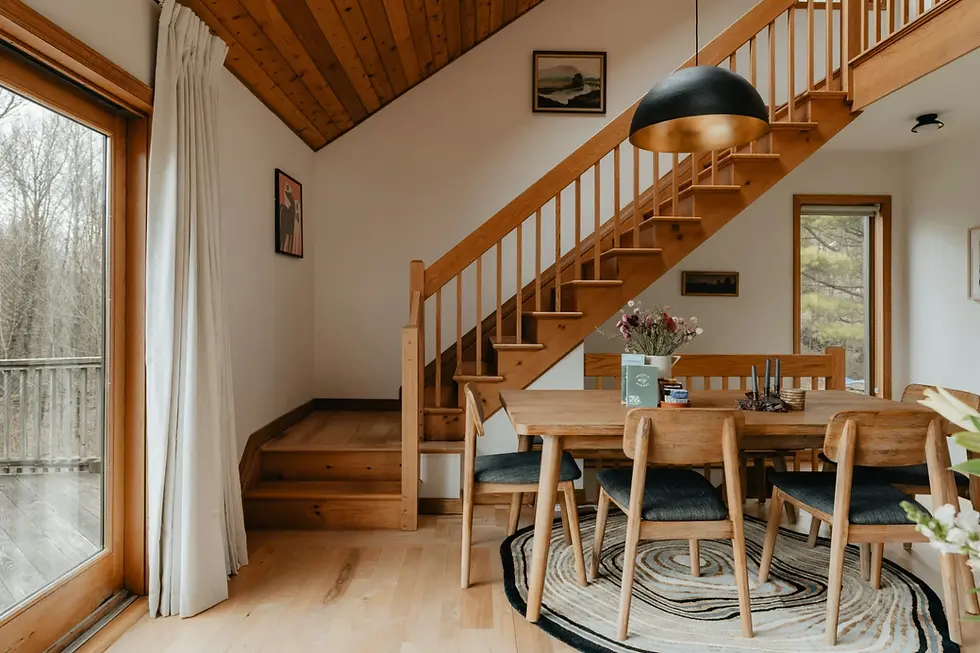
In Miami, where modern condos, open-plan apartments, and compact homes are common, making the most of available space is essential. A dining area often needs to share space with the living room, kitchen, or home office. With thoughtful furniture choices, smart storage, and a practical layout, homeowners can create a comfortable dining space without compromising the room's other functions.
Choose Dining Furniture That Saves Space
The right dining table can make a significant difference in a multipurpose room. Round tables work particularly well in smaller spaces because they eliminate sharp corners and allow people to move around more easily.
Gate-leg tables, wall-mounted folding tables, and narrow console tables are practical options for homes with limited floor space. These pieces provide dining surfaces without permanently occupying large areas.
For Miami condos in neighborhoods like Brickell and Downtown, expandable tables are especially useful. Homeowners can keep them compact for everyday meals and extend them when hosting friends or family.
Define the Dining Area Without Closing Off the Room
Creating distinct zones helps an open-plan room feel organized without requiring additional walls. Strategic furniture placement can separate dining and living spaces while maintaining a natural flow.
Consider positioning a dining table behind the sofa or using a low shelving unit to establish a subtle boundary. Area rugs can also visually distinguish the dining space from the surrounding living area.
Adjusting a room's layout and incorporating architectural details can improve functionality. Its dining room renovation also highlights the benefits of preserving natural light and creating practical connections between adjoining spaces.
In Miami homes with large windows overlooking Biscayne Bay or the city skyline, keeping furniture away from major sightlines can help maintain an open, airy atmosphere.
Incorporate Smart Storage and Flexible Seating
Storage is essential when one room serves multiple purposes. Dining essentials should remain accessible without creating clutter in the living area.
Expandable tables, benches that tuck beneath tables, stackable chairs, and tall storage cabinets for smaller dining rooms.
A storage bench can provide seating while holding table linens, placemats, or seasonal decorations. Floating shelves and narrow cabinets can also keep dishes and serving pieces organized without occupying too much floor space.
For homeowners who frequently entertain, a compact bar cabinet or serving station can support Miami's casual indoor-outdoor lifestyle while keeping the main dining table clear.
Use Lighting and Decor to Create a Cohesive Look
Lighting helps establish a dining area's identity within a larger room. A pendant light above the table creates a visual focal point, while adjustable lighting allows the space to transition from everyday meals to evening gatherings.
Miami's warm climate and abundant sunshine also make natural light an important design consideration. Lightweight curtains, reflective surfaces, and neutral furnishings can help keep interiors bright.
For decor, consider coastal-inspired colors, natural wood, woven textures, and subtle tropical accents. These elements complement Miami's relaxed aesthetic without overwhelming a compact room.
Choose moisture-resistant materials and easy-to-clean upholstery to accommodate the city's humid climate. Keeping the dining area's colors consistent with the surrounding furniture will also create a more unified appearance.
Plan for Long-Term Functionality With Local Real Estate Expertise
A well-designed dining area can improve everyday comfort and make a property more appealing to future buyers. This is particularly relevant in Miami, where housing affordability and condominium costs influence homeowners' decisions.
Miami's housing market has experienced increased inventory and affordability challenges, making practical home features worth considering.
Homeowners planning new construction can consult Miami Top Real Estate Agents to evaluate floor plans, identify desirable layouts, and understand which features may appeal to local buyers. Agents can also provide insight into neighborhood preferences and resale considerations, although architects and contractors handle construction design and execution.
For those considering selling instead of renovating, HomeLight's guide to we buy houses Florida explains how cash-buying companies work and why comparing offers with traditional selling options matters.
Ultimately, a functional dining area should balance comfort, flexibility, and style. Whether furnishing a Brickell condo or designing a new home in Coconut Grove, thoughtful planning can make a shared living space more practical and enjoyable.


Comments