
How Bar and Cafe Owners Keep the Water Flowing When the Pipes Give Out

A dead water heater can tank a Saturday night at your bar. Here is how owners spot trouble early and handle a breakdown without losing covers.
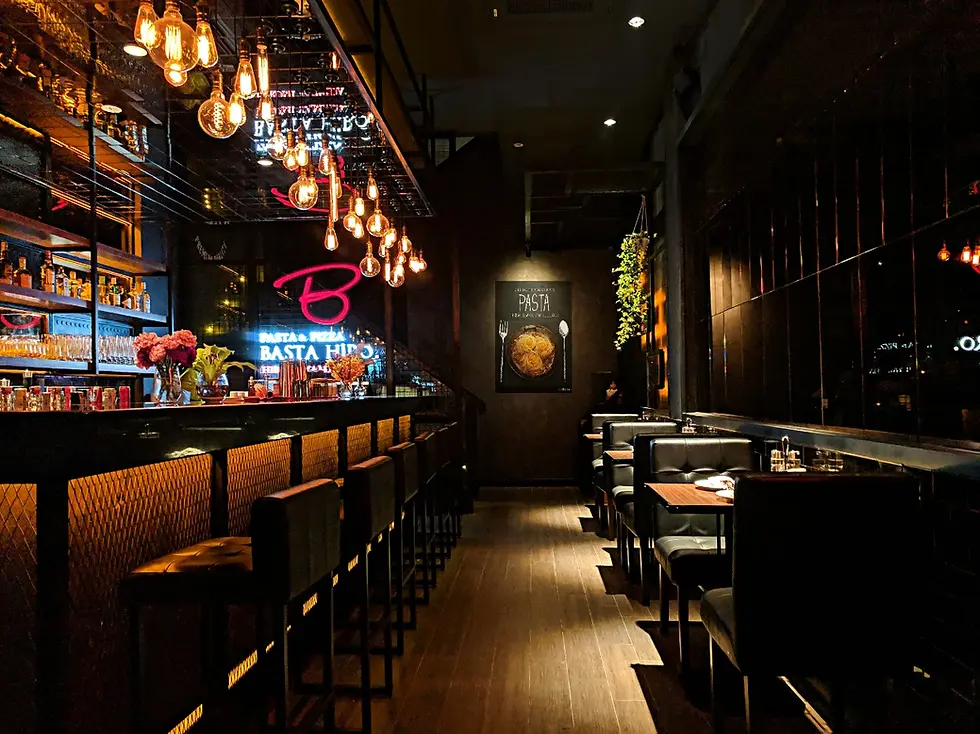
I once watched a cocktail bar lose a full Saturday night because the water heater died at 4 p.m. Forty reservations, a private party of sixteen, and a bartender standing over a cold dish pit with two hundred dirty glasses. The owner told me the same thing every operator says after the fact: nobody plans for a water heater until it quits on the worst possible night.
Here is the short version, and it is the reason I finally started paying attention to the mechanical side of hospitality. Your decor, your lighting, your playlist, none of it matters if the water stops. Guests remember a warm welcome and a clean glass. They also remember being told the restrooms are out of order and there is no hot water for tea. The mechanical systems behind your bar are the least glamorous part of the job and the fastest way to wreck a night. So this piece covers how to spot the warning signs before they become a disaster, what actually fails first when they do, and how to get through a breakdown without losing your regulars.
Why the Ugly Parts of Your Venue Deserve More Attention Than Your Lighting
You spend weeks choosing sconces, bar stools, and a live-edge countertop. Meanwhile the water heater in the back closet is quietly aging toward its final Tuesday. That gap in attention is where most service disasters are born.
I understand the instinct. The visible stuff sells the room. But it is worth thinking about how much of the guest experience rests on hot water and steady plumbing. Restrooms, handwashing stations, bar glassware, dish machines, espresso machines, and even the ice you are so proud of depend on working water systems and, in a lot of cases, working heat. When one of those systems fails, the failure cascades. A single leaking shutoff valve under a bar sink can soak a wood floor in an afternoon.
One detail gets skipped in nearly every design conversation: your venue's water and drainage needs are dictated by what you actually serve and sell, not by what looks right on the floor plan. A cafe that shifts into a full bar with a glass washer and a high-volume dish pit is placing loads on plumbing the original build never expected. If you are mid-fit-out, ask your mechanical contractor to walk the plan with your service model in mind. It is easier to put the water heater in the right place before the cabinets close around it.
What Actually Fails First, and How You Notice Before It Does
Water heaters and plumbing do not usually fail with a bang. They warn you for weeks. Owners miss the warnings because they are busy running the room, so here is the short list I would tape inside the supply closet door.
Water takes noticeably longer to reach temperature, especially on cold mornings.
You hear popping, rumbling, or a metallic ticking from the tank when it heats.
Hot water runs out faster than it used to, even on a light night.
Water under the tank, rust-colored streaks, or a damp smell in the utility closet.
Dishes and glassware come out of the washer spotted or cloudy more often.
Any one of those is worth a call. Two of them together is a countdown worth acting on, not a note for the someday list. Local water chemistry plays a role here, and the Environmental Protection Agency notes that water quality varies a great deal by source and region, which means the mineral load hitting your tank is a regional variable, not a universal one. Hard water regions chew through heating elements and tanks faster. If you are on a municipal supply in a hard-water state, building in more frequent maintenance is simply honest budgeting.
Plumbing failures run on a slightly different clock. Copper pipe pinholes, failed supply lines under sinks, and worn shutoff valves usually announce themselves with a slow drip, a bulging line, or a faint musty smell near the back of the bar. Take five minutes once a month to look under every sink and behind every appliance. Bring a flashlight and a paper towel. If a paper towel comes back damp, you have found something worth fixing before the Friday rush.
The Night It Happens: A Decision Guide for Owners
When the hot water quits mid-service, panic is expensive. Work through these steps in order.
Stop the bleeding first. If water is pooling, shut off the supply valve to the affected unit and, if needed, the main. A wet floor is a guest liability and a slip hazard.
Protect service. Shift to a limited menu or a temporary glassware setup that does not depend on the broken system. Communicate to the front of house immediately so nobody overpromises.
Call your service line and describe the symptom, not the guess. If you avoided a failed water heater once before, keeping an electrician and plumber on speed dial (or a single company that handles several trades) makes the difference between an hour of downtime and a week of it. Some services even have same-day emergency dispatch for calls like HVAC repair in Ogden and nearby markets, and having a number like that saved in your phone is worth more than any warranty notebook.
Document everything. Photos of the failure, the model plate, the install date. It speeds repair and often matters for insurance or warranty claims.
Set the repair expectation out loud to your team. A rough arrival window is kinder than silence.
Here is my contrarian take: the cheapest quote is not the one to chase at 9 p.m. on a Saturday. You are paying for someone to show up and get you open tomorrow. That premium is an operating cost, not a rip-off, and treating it that way keeps you from making a bad hiring decision in a panic.
A Small Maintenance Rhythm That Saves Big Money
You do not need a facilities department. You need a calendar. I would build this cadence into whatever scheduling tool your team already uses, and I would assign it to one named person so it actually happens.
Cadence | Task | Where to look
|
Weekly | Check under bar and kitchen sinks for drips | Paper towel test on every supply line |
Monthly | Flush a hot water tap and time how long it takes to heat | Back bar hand sink |
Quarterly | Vacuum vents and clear the area around the tank | Utility closet |
Annually | Schedule a professional inspection of water heater and supply lines | Whole venue, including wall cavity access points |
One more thing worth doing: note the install date on every major mechanical unit and write it directly on the tank with a paint pen. Nobody ever does this. Then everybody wonders how old the thing is. Newer water heating equipment is meaningfully more efficient than older units, a point the Department of Energy makes clear in its guidance on water heating, and that efficiency difference pays back over a bar's operating year. You do not need to replace a working tank, but knowing its age tells you when to start budgeting rather than reacting.
The goal is simple. Trade a couple of boring hours a month for the certainty that your venue keeps humming when it matters most.
Keep the Ambiance Alive by Keeping the Water Hot
Nobody opens a bar because they love plumbing. But the room you designed only works when the systems behind it do. Watch the early warnings, know who to call before midnight on a Friday, and set a maintenance rhythm you can actually keep. Fix your calendar today and pick the one person on your team who owns the monthly walk-through, because the venue that stays open is the one that planned for the closed sign it never wants to hang.


Comments