
For Landlords, Winter Problems Tend to Arrive as Phone Calls

Discover common winter maintenance challenges landlords face, how to prevent costly property damage, and practical ways to keep tenants comfortable throughout the season.
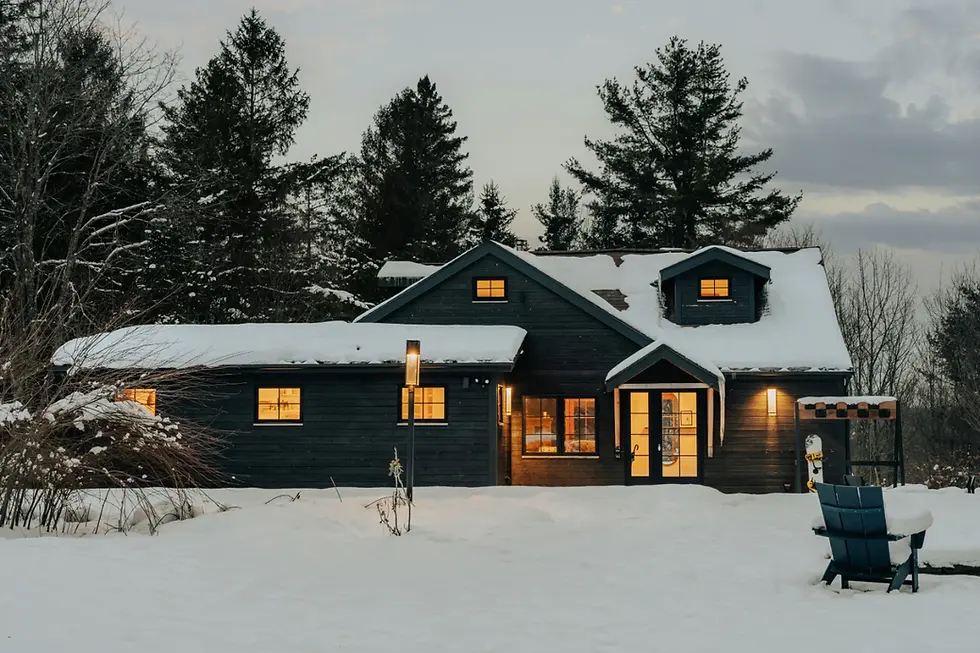
For landlords, winter problems tend to arrive as phone calls. A furnace quits on the coldest night of the year, a pipe bursts in an empty unit, or a tenant reports a draft that has been there since October. Most of these calls are avoidable, because the causes are visible weeks before the first freeze. A few hours of fall preparation protects the building and saves money on emergency repairs.
This guide covers:
Heating systems
Floors and entryways
Carbon monoxide safety
Frozen pipes
Tenant communication
Five Winter Jobs for Every Landlord
Cold weather tests a rental in predictable places: the equipment that keeps it warm, the surfaces that take the most traffic and the plumbing that runs through unheated spaces. Start early, since contractors book up quickly once temperatures drop.
1. Get the Heating System Ready
Heat is the one repair tenants can't wait on, so it belongs at the top of the list. Replace filters, clear vents and radiators of furniture, and test the system before you need it. If a unit is near the end of its life, it's worth taking the time to see combination heating and air conditioning units pricing at HVACStore, whose multi-tenant range pairs air conditioners with air handlers, many of them fitted with electric heat kits. One system that heats and cools also means one set of parts to maintain per unit.
2. Protect Floors and Entryways
Winter is hard on floors. Snow, slush and de-icing salt get tracked through every entry, while dry heated air can open small gaps between hardwood boards. Put sturdy mats at each door, and ask tenants to leave wet boots near the entrance. Where boards are already worn or water-stained, the turnover between tenants is a sensible time to replace them. Landlords comparing options can shop Mullican wood flooring at Floor Warehouse, which lists both solid and engineered planks in oak, hickory and maple. Engineered boards are generally more stable than solid wood when indoor humidity swings through the season.
3. Check Carbon Monoxide Alarms
Fuel-burning furnaces, boilers and water heaters work hardest in winter, which is when carbon monoxide risk rises. According to the CDC, more than 100,000 people in the U.S. visit the emergency department each year because of accidental carbon monoxide poisoning. The agency advises having heating systems and other fuel-burning appliances serviced by a qualified technician every year, and checking or changing detector batteries every six months. Test every alarm in every unit, replace any past their service date, and check your local rules on where detectors must go.
4. Prevent Frozen Pipes
A burst pipe can damage several units at once, and vacant units are especially exposed because nobody notices the cold. The American Red Cross recommends leaving the heat on at no lower than 55°F when a home is empty during cold weather. It also suggests opening kitchen and bathroom cabinet doors so warm air reaches the plumbing, and letting cold water drip from faucets served by exposed pipes. Insulate pipes in basements, crawl spaces and garages, and make sure everyone knows where the main water shutoff is.
5. Talk to Tenants Before the Cold Arrives
Tenants are your early warning system, but only if they know what to watch for. Send a short winter notice that covers thermostat settings, how to report a heating problem, and what to do if they travel over the holidays. Send it by early November so tenants have it before the first cold snap. Ask them to report drafts, leaks and cold rooms early, while repairs are still simple. Clear instructions also help with snow and ice clearing, so everyone understands who handles walkways, steps and parking areas.
Rental Winter Checklist
Task | Why it matters | When to do it |
Service heating | Prevents no-heat calls and CO risk | Early fall |
Lay entry mats | Limits salt and water damage | Before first snow |
Test CO alarms | Catches failed or expired units | Every six months |
Insulate pipes | Reduces burst pipe risk | Before first freeze |
Send tenant notice | Speeds up problem reports | Mid fall |
A Calmer Winter for Landlords
Winter will always bring some repairs, but most of the expensive ones give warning. Service the heating, protect floors from salt and moisture, test carbon monoxide alarms, keep pipes warm and give tenants clear instructions before the cold sets in.
A rental that's ready in October usually stays quiet through February.
Frequently Asked Questions
What temperature should a vacant rental be kept at in winter?
Keeping the heat at 55°F or higher is a common guideline for empty homes during cold weather. That keeps pipes in walls and cabinets above freezing. Check on vacant units regularly, and consider shutting off and draining the water supply if a unit will stay empty for a long stretch.
How often should a rental's heating system be serviced?
Once a year is the standard advice, ideally in early fall before heavy use begins. A qualified technician can clean components, check for gas or exhaust problems and spot parts close to failing. Keep a record of each service visit, since it helps with warranty claims and future planning.
When should landlords start preparing a rental for winter?
Start in early fall, well before the first freeze. Contractors and technicians get busier as temperatures drop, and some jobs, such as replacing equipment or flooring, take time to schedule. Finishing outdoor tasks like gutter cleaning and pipe insulation early also avoids working in cold or icy conditions.


Comments