
Essential Tips for Planning a Hassle-Free Move

Discover essential tips for planning a hassle-free move, from organizing and packing to choosing movers, managing timelines, and settling into your new home.

Moving has a sneaky way of exposing how much stuff you actually own. One drawer turns into five mystery boxes, and suddenly you’re questioning why you kept charger cables from 2014.
If you’re planning a move in Keene, New Hampshire, a little prep matters even more because older homes, changing seasons, and compact downtown streets can add extra moving-day friction. A smart organizing plan helps you protect your belongings, save time, and walk into your new place with far less chaos.
Start by sorting your home zone by zone
Trying to organize your whole house at once is the fastest route to burnout. Instead, break the work into zones: bedroom, bathroom, kitchen, storage spaces, and entryway. Focus on one area per session so you can actually finish something and build momentum.
Use three categories as you go:
Keep
Donate or sell
Trash or recycle
Be strict with duplicates and low-value clutter. If you own six water bottles and use two, the extras are just paying rent. In closets, check what you've worn in the past year. In the kitchen, toss expired food, random takeout containers, and mismatched lids that seem to reproduce when no one's looking.
This method keeps your decisions simple. It also cuts your packing volume, which often lowers moving costs and reduces unpacking headaches later.
Once the keep pile stops growing, you have a realistic picture of what needs to travel. Get in touch with a local moving company in Keene NH to help with the packing and hauling.
Plan before you touch the tape gun
Packing without a plan creates boxes that feel like practical jokes. You want a system that makes sense when you’re tired, busy, and hunting for your toothbrush on the first night.
Start with these basics:
- Label every box with room and contents
- Add a priority note like “open first” or “week one”
- Keep heavy items in small boxes
- Use medium boxes for mixed household goods
- Reserve large boxes for light, bulky items like bedding
Color-coding can help too. Use one marker color per room or colored tape if you want a quick visual system. Keep a running list on your phone with numbered boxes and key contents. That extra step sounds annoying until you need your coffee maker and know it’s in Box 14, not hiding in a cardboard witness protection program.
Create a moving essentials kit you can actually rely on
Your essentials kit is the difference between feeling prepared and tearing through boxes at 10 p.m. looking for socks. Pack one bag or bin for each family member, plus one shared household kit.
Include items like:
- Phone chargers
- Medications
- Basic toiletries
- Pajamas and a change of clothes
- Important documents
- Snacks and water
- Cleaning wipes and paper towels
- A box cutter or scissors
- Pet food or baby supplies if needed
Also pack a few practical comfort items. A shower curtain, bath towel, toilet paper, and bedsheets can do wonders for your mood after a long day. If you’re moving during a cold snap, keep jackets, gloves, and boots easy to grab rather than buried under lamps and extension cords.
This kit should stay with you, not on the moving truck.
Get realistic about furniture, access, and timing
Home organization before a move isn’t only about decluttering. It also means thinking through logistics that people often ignore until the last minute. Measure bulky furniture before moving day. Check stairwells, narrow doorways, and elevator access if applicable.
If you live in or near downtown Keene, parking and loading space may need attention too. A truck can’t magically hover while you carry out a sectional. Older buildings may also have tighter hallways, uneven steps, or layouts that demand extra patience.
Create a simple moving-day checklist:
- Confirm move-in and move-out times
- Reserve elevators or parking if needed
- Disassemble beds and large tables early
- Set aside hardware in labeled bags
- Protect floors and door frames
Organize paperwork, valuables, and the things people forget
The most frustrating moving problems usually involve small but important items. Paperwork, keys, jewelry, prescription info, financial records, school files, and passwords deserve their own system.
Use a clearly marked folder or lockable box for:
- IDs and passports
- Lease or closing documents
- Medical records
- Insurance papers
- Utility account details
- Moving contracts and receipts
Take photos of electronics before unplugging them. Capture cable setups on the back of your TV, router, and desktop computer. Future you will be grateful.
Prep your kitchen and storage areas earlier than you think
Kitchens, garages, basements, and utility closets usually take longer than expected. They contain awkward, messy, and strangely emotional items. Apparently everyone has one spatula they trust with their life.
Start with the pantry and fridge at least a week ahead. Eat what you can, donate unopened nonperishables, and stop buying more freezer food unless you enjoy transporting bags of peas like precious cargo. Wrap glassware and dishes carefully, and label boxes as fragile on multiple sides.
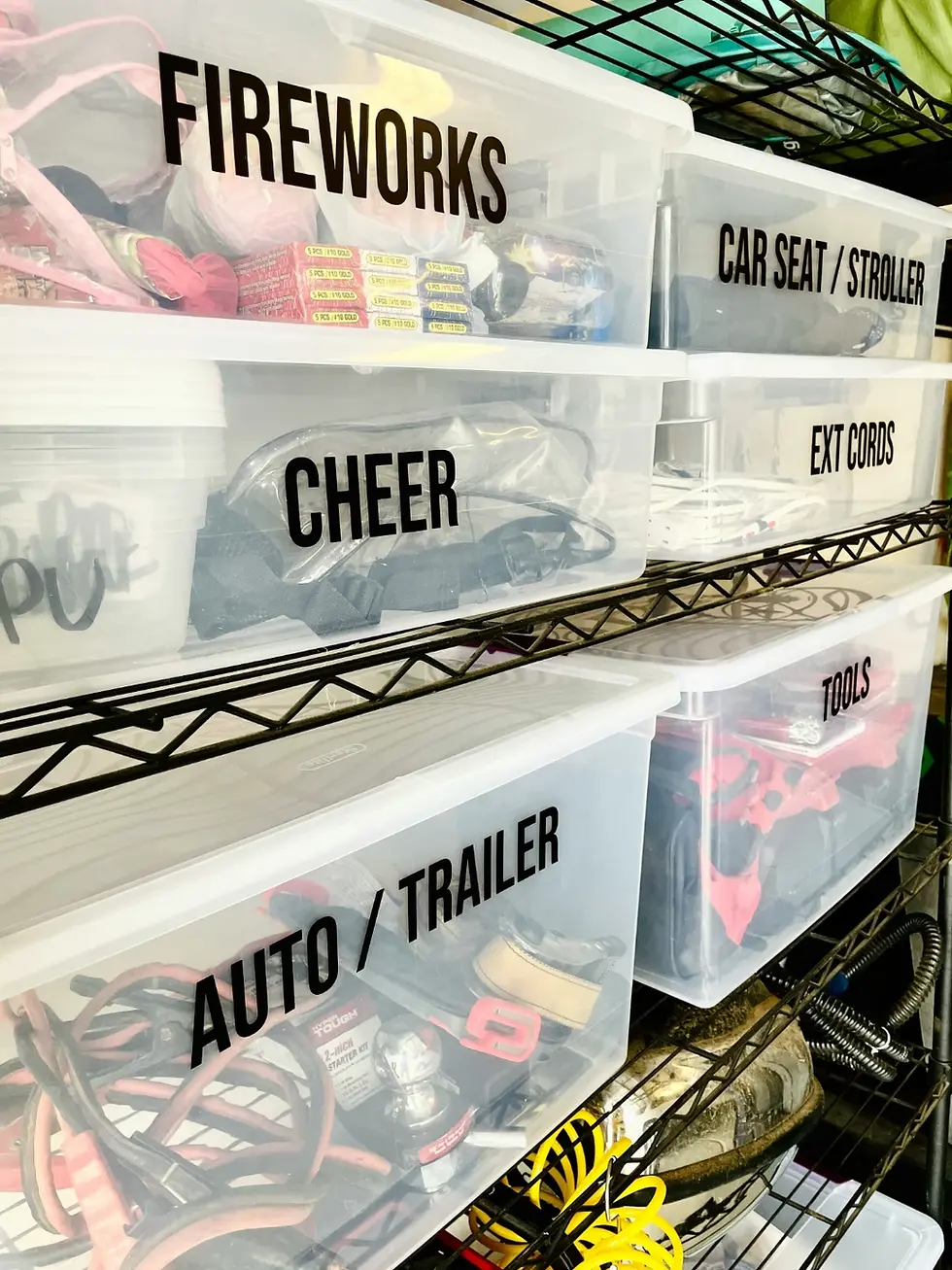
For garages and storage areas, separate hazardous materials such as paint, propane, gasoline, and certain cleaners. Many movers won’t transport them, so check local disposal rules in advance. Coil cords, bundle tools, and use sealed bins for loose hardware or seasonal decor.
Make unpacking easier before the move even happens
Good organization doesn’t stop once the boxes are taped. The smartest moves make unpacking easier before moving day starts. Think of it as setting up your future home to be functional fast, not perfect instantly.
Pack by destination room, but also by use. Keep everyday cookware together. Group bathroom essentials separately from backup supplies. Put work or school materials in clearly labeled containers so Monday morning doesn’t arrive with a surprise boss battle.
Before movers arrive, sketch a rough layout for each room. Decide where the bed, sofa, desk, and major storage pieces should go. You don’t need interior-designer precision, just a workable plan. Tape simple labels on walls or doors if several people are helping.
A move will always be a bit chaotic. That’s part of the deal. But when you organize with purpose, the chaos stays manageable. You spend less time digging through boxes, less money moving things you don’t need, and a lot less energy recovering from preventable mistakes. That’s a pretty solid trade.


Comments