
Maximizing Space: How to Organize Your Garage Like a Pro

Learn how to organize your garage like a pro with smart storage solutions, space saving strategies, and practical tips for reducing clutter.

Garages often turn into a dumping ground for items that lack a proper home. Boxes pile up, tools disappear into corners, and parking a vehicle becomes impossible. Transforming this chaotic zone requires a strategic approach. With the right systems, a messy floor becomes a clean, functional layout.
Assess the Clutter First
A clean slate is necessary before purchasing bins or shelves. Homeowners often struggle to relax when their surroundings remain messy. A blog post from the Rocky Mountain College of Art and Design mentions that disorganized spaces frequently mirror internal stress and increase daily fatigue. Moving everything out onto the driveway helps reveal the actual available footprint.
Evaluating each item out in the open prevents you from keeping useless junk. Broken lawn chairs and dried paint cans take up valuable real estate. Sorting through everything at once speeds up the entire decision-making process.
Separate Items into Clear Categories
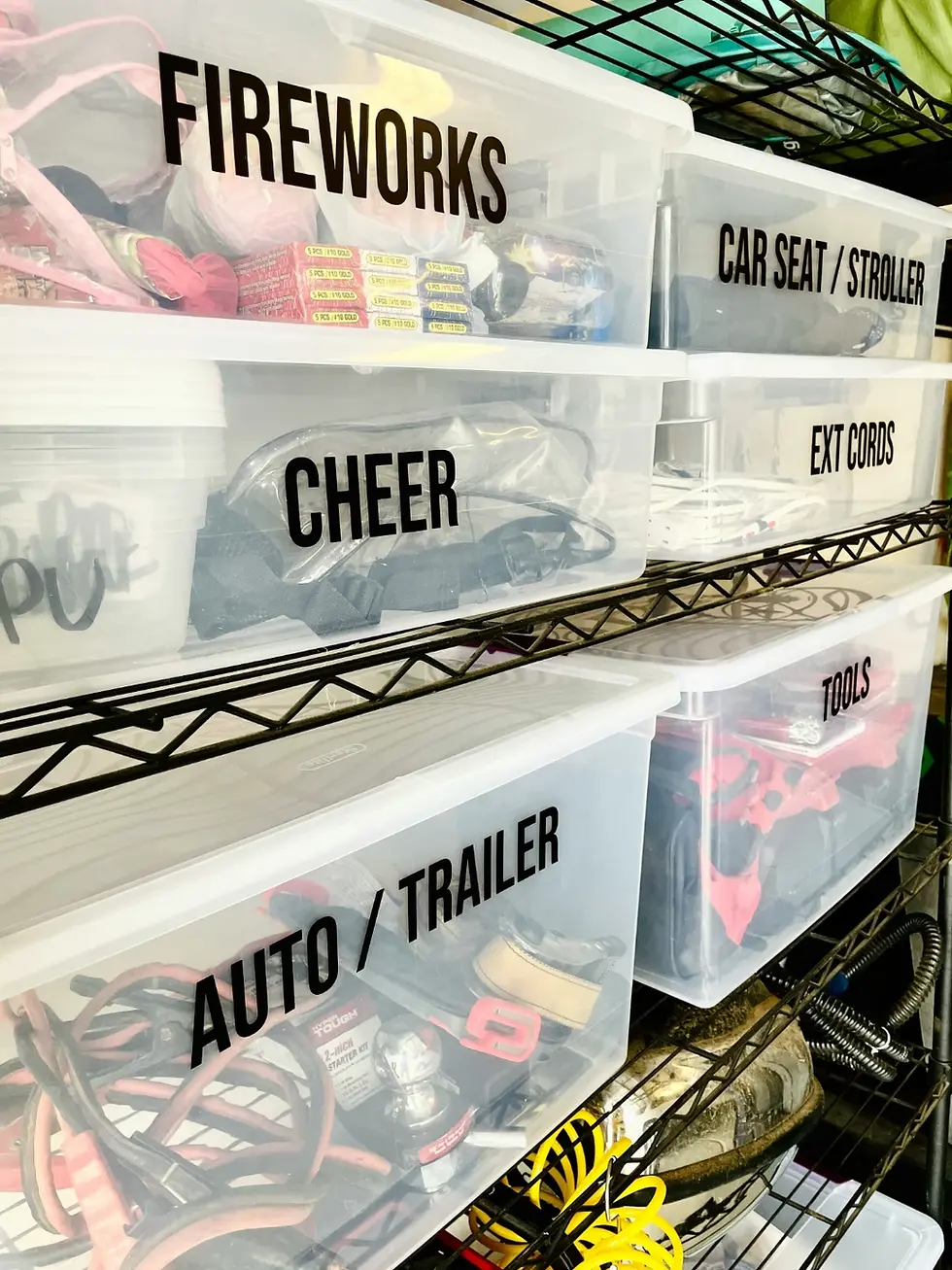
Sorting through the pile lets you separate trash from keepable gear. Creating distinct piles prevents future messes from building up. An article by the Twin Cities Habitat for Humanity ReStore recommends making groups for yard care, tools, toys, outdoor gear, and car maintenance. This step guarantees that only useful tools return inside.
Labeling distinct zones on your driveway makes sorting much easier for the whole family. Everyone can see exactly how much space each category requires. This visual map guides your future storage purchases and placement decisions.
Choose Custom Storage Systems
Standard shelving units often leave large gaps or fail to accommodate bulky equipment. Integrating tailored storage options like WorkSpace DESIGN to FIT Cabinets lets you maximize every inch of wall area. These units adapt to specific layouts so that nothing feels cramped. Selecting specialized setups prevents small items from getting lost behind larger boxes.
Custom configurations provide the flexibility needed for changing household demands. As kids grow or hobbies shift, your storage must adjust accordingly. High-quality modular units offer long-term durability that cheap plastic bins cannot match. Spending time planning this configuration prevents storage headaches later.
Maximize Vertical Wall Space
Leaving items on the ground shrinks the usable floor area quickly. Utilizing walls keeps tools within arm's reach and opens up the floor for vehicles. A guide by Members 1st Federal Credit Union highlights that pegboards are quite inexpensive and simple to mount on walls. Hooks and magnetic strips secure smaller hand tools nicely.
Using Smart Wall Additions
Wall tracks hold long-handled items like rakes, shovels, and brooms. This setup prevents items from tipping over and causing accidental damage. Slatted panels accommodate shifting hook arrangements as the years pass.
Vertical tracking systems withstand heavy loads without pulling away from drywall studs. Heavy items hang securely near the ceiling, out of harm's way. This method clears the floor for walking paths - making it easier to open car doors.
Benefit from Overhead Space
High areas remain empty in most residential garages. Using the room's full height clears the lower zones for daily activities. A design feature from Ikea explains that adding sturdy shelving, hooks, and wall cabinets high up provides a secure home for items like paint tins, skateboards, and skis. This strategy keeps seasonal gear out of sight until needed.
Ceiling racks work perfectly for plastic bins holding holiday decorations or camping gear. Safety remains paramount when lifting heavy bins overhead. Sturdy ceiling hoists can lift ladders or kayaks effortlessly up to the rafters.
Upgrade to Heavy-Duty Lockable Cabinets
Dangerous materials require secure storage away from children and pets. Choosing sturdy enclosures keeps hazardous supplies locked up safely. An article on Extreme DIY states that metal cabinets are highly durable and usually lockable, offering a secure method for storing dangerous tools and chemicals.
These locking mechanisms prevent unauthorized access and keep sharp objects hidden. Storing chemicals inside enclosures helps protect them from temperature swings. Sealed doors block dust and moisture from damaging sensitive electronic gear.
Implement Creative Layout Changes
Modern garages serve multiple purposes beyond simple vehicle storage. Owners now convert these spaces into workshops, home gyms, or hobby rooms. A post on the Attire Club website suggests thinking creatively and utilizing every inch efficiently to maximize limited space.
To build a functional workshop, consider these layout tips:
Position your workbench near electrical outlets for easy tool charging.
Keep frequently used hardware at eye level on small shelves.
Install bright LED lighting directly above the main task areas.
Use rolling carts to move supplies around the floor smoothly.
Maintain Your Organized System
An organized garage requires ongoing effort to stay functional throughout the year. Setting up a quick weekly reset keeps clutter from returning to your floors. Returning tools to their designated hooks immediately saves hours of searching later. A clean workspace inspires new projects and makes weekend chores far more enjoyable.
Putting a small trash bin near the main door encourages quick disposal of wrappers and packaging. Sweeping the floor regularly prevents track-in dirt from reaching your living spaces. Small habits preserve the hard work invested in your layout.
Achieving a professional garage setup takes patience and proper planning. Investing effort into organizing your space completely changes how you utilize your home. Stepping into an orderly area brings immediate satisfaction and relief. Say goodbye to the endless searching and enjoy your newly reclaimed room.


Comments