
Is Your Home Ever Finished? Inside the “Enough” Interiors Movement

Updated: Feb 5
Explore the Enough Interiors movement and why homeowners are embracing mindful design, intentional updates, and homes that feel complete without constant upgrades.

There’s a quiet shift happening in the way homes are designed, styled and lived in. The pressure to constantly refresh, replace and renovate is starting to wear thin. Instead of chasing the next upgrade, more households are embracing the idea of the “Enough” home; a space that feels complete, comfortable and fit for real life, not endless improvement.
This mindset isn’t about settling or lowering standards. It’s about recognising when a home already does its job well, and choosing contentment over constant change.
What Is the “Enough” Home?
An “Enough” home is one that meets practical needs, reflects personal taste and feels emotionally grounding, without chasing perfection. It values longevity over novelty and comfort over show.
This often means keeping features that still perform well, even if they aren’t the newest version. A well-laid floor, a solid dining table or cabinetry that has aged gracefully all become part of the home’s story, rather than problems to fix.
Why Constant Upgrading Is Falling Out of Favour
For years, home content has encouraged a cycle of dissatisfaction. Social media trends, fast décor and renovation culture have normalised the idea that homes should always be “in progress”. But that mindset comes at a cost.
Culturally, there’s also a growing awareness around sustainability and waste. Replacing perfectly functional element, especially flooring, kitchens and bathrooms, no longer feels justifiable for many households.
Psychologically, the appeal is simple. Homes that are always waiting for the next change rarely feel settled. The “Enough” home offers permission to stop tweaking and start living.
How the “Enough” Home Shows Up in Interior Design
This movement isn’t defined by one look or colour palette. Instead, it’s visible in the decisions made.
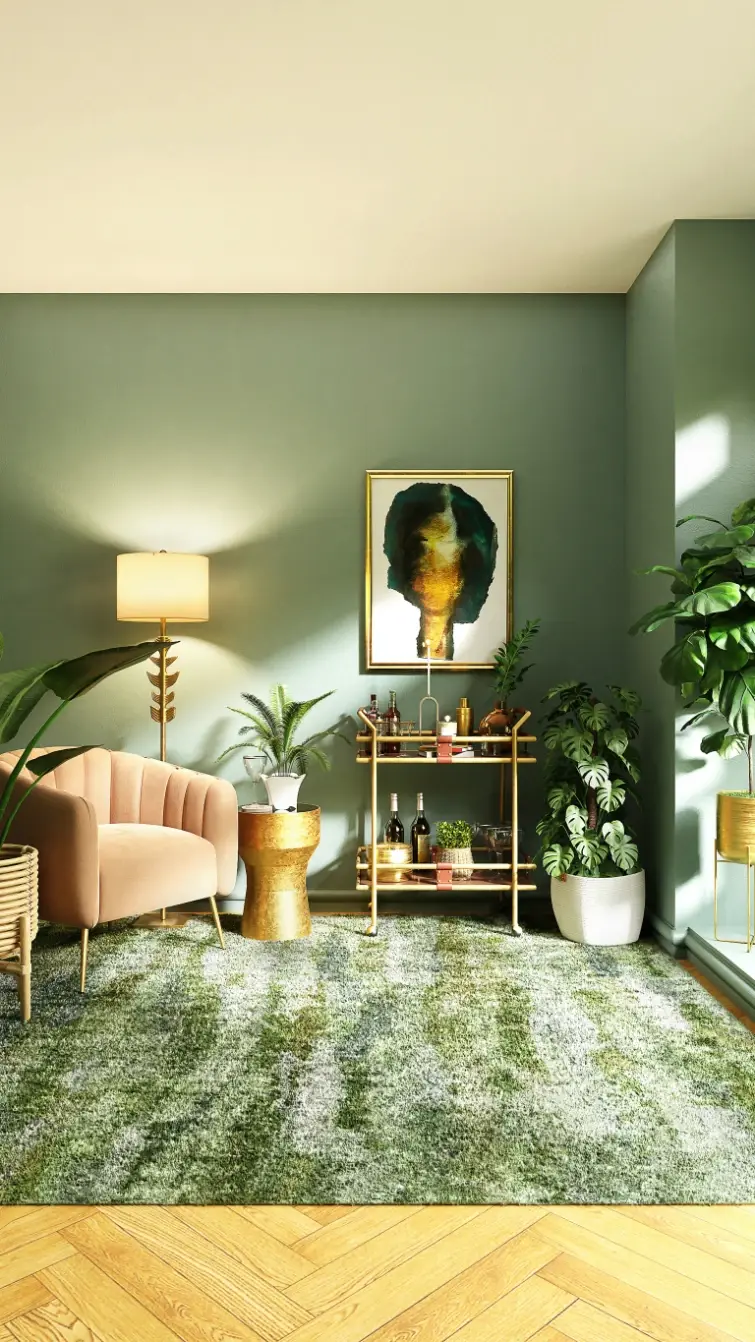
Keeping What Works: Instead of ripping out serviceable flooring or furniture, homeowners are working with what’s already there. A quality engineered wood floor, for example, may only need a refresh through styling rather than replacement. Rugs, lighting and furniture placement can dramatically shift the feel of a room without structural change.
Prioritising Longevity: Materials chosen for the long term are central to this approach. Flooring that can handle daily wear, temperature changes and busy households becomes a foundation rather than a future project. Durable options like engineered wood, luxury vinyl tiles, or parquet flooring fit naturally into an “Enough” home because they’re designed to last, not to be swapped out in a few years. Another option to consider is stone materials, such as stone veneer or cultured stone, which provide lasting beauty and sustainability for both interiors and exteriors. If you're interested, you can find such materials in shops like I-XL, Boral, Eldorado Stone, or Versetta Stone, which provide a variety of premium stone products created to stand the test of time. Whether you're looking for a refined, luxurious exterior or a sturdy, easy-to-maintain interior, this kind of stone options make a great addition to any home.
Letting Imperfection Stay: Marks, patina and wear are no longer treated as flaws. They signal use, memory and life. Floors that show subtle signs of age often add warmth and authenticity, grounding spaces in reality rather than perfection.
How to Create an “Enough” Home Without a Big Renovation
Adopting this mindset doesn’t require starting over. It’s more about reframing choices already in place.
Styling instead of replacing: Layering textiles over existing flooring can soften spaces and refresh rooms without major cost.
Zoning with furniture: Redefining how rooms are used can make a home feel new again.
Maintaining rather than upgrading: Proper care for floors, furniture and finishes extends their lifespan and keeps them feeling intentional.
In many cases, the most impactful change is deciding not to change something that still works.
Is the “Enough” Home Right for Every Household?
This approach suits those who value calm, stability and a sense of completion. It works particularly well in homes where the bones are solid: good layout, reliable materials and thoughtful earlier choices.
However, it doesn’t mean ignoring genuine issues. If flooring is unsafe, impractical or no longer fits how a space is used, upgrading still makes sense. The difference is intention. Changes are made because they’re needed, not because trends demand them.
For growing families, pet owners or those working from home, the “Enough” home often becomes about choosing upgrades once, and choosing well, rather than revisiting the same decisions repeatedly.
Flooring as a Foundation of “Enough”
Few elements define a home’s sense of completion like flooring. When the floor works visually, practically and emotionally, everything built on top feels more settled.
Floors that are comfortable underfoot, compatible with underfloor heating, easy to maintain, and timeless in tone and texture, allow the rest of the home to evolve slowly without constant disruption. In many “Enough” homes, the floor becomes the quiet constant that doesn’t need revisiting every few years.
A Home That Doesn’t Need Proving
The “Enough” home isn’t about opting out of design. It’s about opting out of pressure. Pressure to impress, to keep up, to constantly optimise spaces that are already doing their job.
A home that feels finished doesn’t shout. It supports daily life, adapts naturally over time and leaves room for living instead of upgrading.
Sometimes, the most considered design choice is deciding that what’s already there is — finally — enough.


Comments