
How Does Slate Roof Restoration Extend The Life Of Your Roof?

Learn how slate roof restoration extends your roof’s lifespan by repairing damage, preventing leaks, and preserving durability while maintaining its classic appearance.
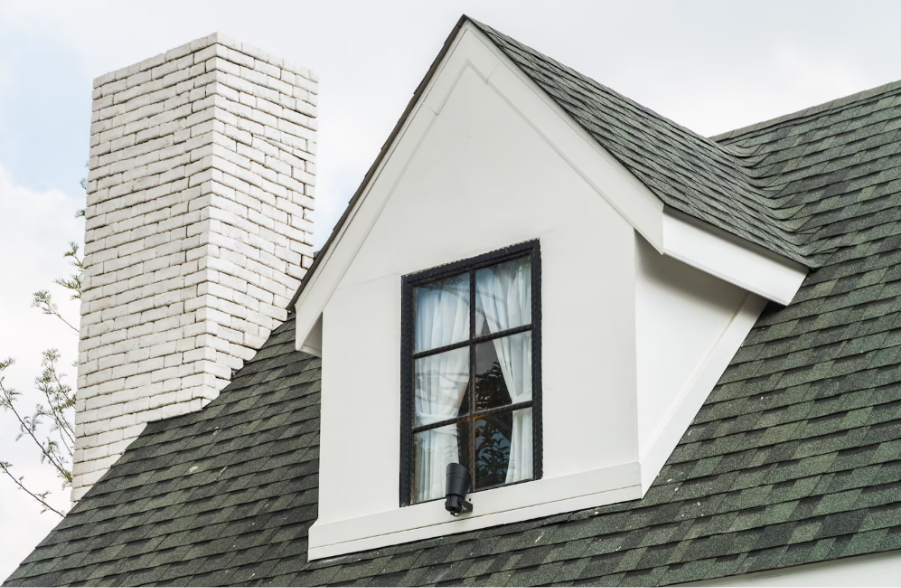
Slate roofs are highly valued for their natural strength, long-lasting durability, and timeless aesthetic appeal. A well-built slate roof has a long lifespan, often lasting longer than 100 years, when properly maintained. Although slate roofs are quite resilient, they are not entirely immune to aging and environmental influence. The constant exposure of the roof to the rough weather conditions, the aging of the fixings, and other minor structural problems can slowly weaken the overall integrity of the roof.
Such problems normally start out as minor or less significant, but can easily develop into severe damage if left untreated. Rather than resorting to a complete roof replacement, restoration provides a cost-effective and practical solution. By addressing both visible and underlying concerns through targeted repairs, material upgrades, and structural reinforcement, restoration revitalizes the roof, improves durability, and significantly extends its lifespan.
The following article outlines how restoration does this and why it is critical to the long-term functionality of a slate roof.
1. Prevent Tile Movement and Breakage Through Fixing Restoration
The fixings that hold slate tiles in place can eventually wear out over time due to rust and constant moisture. As these fixings weaken, the tiles start to loosen and move out of place. This movement increases the chances of cracking and breakage, particularly during strong winds or heavy rainfall.
With slate roof restoration, worn-out nails and fixings are carefully replaced with durable alternatives such as copper. This makes each tile firmly secured to withstand environmental pressure. As a result, the roof regains its structural stability and resistance to external forces.
Moreover, the tiles are secured to avoid the unwarranted friction among them. This minimizes long-term wear and tear. As a result, the overall condition of the roof is improved, and its lifespan is increased significantly without the need for major reconstruction.
2. Stop Minor Slate Damage from Spreading Across the Roof

Cracks or small pieces of slate tiles might not appear harmful at first. Nonetheless, these small flaws may easily deteriorate under the influence of rain, temperature variations, and debris. Moisture can also enter these gaps and undermine tiles, leading to additional harm.
By early identification and replacement of broken slats, restoration helps prevent these problems. The targeted method is used to ensure that only the damaged parts are fixed and the rest of the roof is left intact. Consequently, the building remains robust and operational.
Moreover, the prompt repair decreases the risk of bigger parts failing. This not only saves the roof but also avoids expensive repairs in the future. Thus, the prevention of minor damage at an early stage ensures long-term sustainability.
3. Strengthen Roof’s Underlying Structure for Lasting Support
The longevity of a slate roof does not solely rely on the tiles but also on the structure beneath them. Components like battens and support layers are also significant in ensuring stability. Nevertheless, these components may deteriorate over time due to constant water contact, natural aging, and improper ventilation.
This is why during the restoration, the internal framework is thoroughly examined. Any weakened or damaged battens are replaced, and necessary reinforcements are added to restore proper support. This is done to ensure that the slate tiles are firmly placed and evenly supported.
Consequently, the overall roofing system is more stable and able to withstand external stress. Moreover, strengthened construction reduces the chances of collapse and damage in the long run. This has a direct effect on enhancing longevity and increasing the overall life of the roof.
4. Eliminate Water Entry Points That Lead to Internal Deterioration
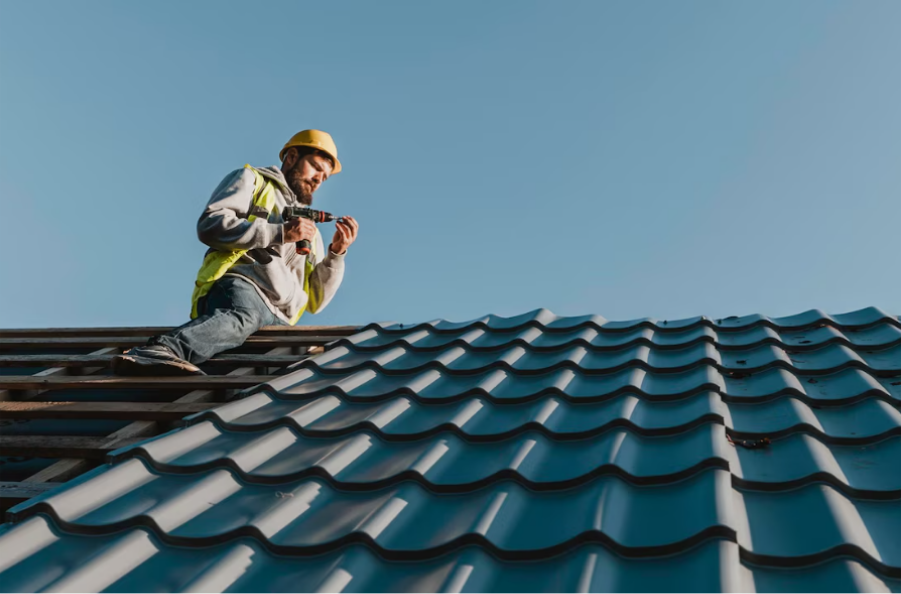
One of the greatest challenges to the durability of any roofing system is water intrusion. Even slight cracks may permit the entry of moisture, which steadily destroys internal layers. With time, it may lead to rotting of timber, molds, and deteriorated structural elements that damage the integrity of the roof.
Therefore, restoration places strong emphasis on sealing all vulnerable areas. Components such as flashing, valleys, and joints are well checked and restored with reliable materials. This is done to make sure that weak points are well sealed against water intrusion.
Consequently, the roof becomes more resistant to damage caused by moisture. Moreover, the prevention of water entry preserves both the external and internal structure. This contributes significantly to maintaining durability and extending the roof’s functional life.
5. Reduce Future Wear with Durable, Corrosion-Resistant Materials
Material degradation is a common issue that affects the performance of older roofs over time. Components like nails and fixings often corrode due to prolonged exposure to moisture and changing weather conditions. This gradual deterioration can lead to instability and repeated maintenance needs.
For this reason, restoration often includes upgrading to more durable materials. Corrosion-resistant options such as copper are introduced to replace outdated elements. These materials offer superior resistance to rust and are better suited for long-term use.
Consequently, the roof becomes more resilient against environmental pressure. In addition, the need for ongoing repairs is significantly reduced. This improvement not only enhances reliability but also supports a longer service life with minimal maintenance concerns.
6. Extend Overall Roof Performance Without Full Replacement
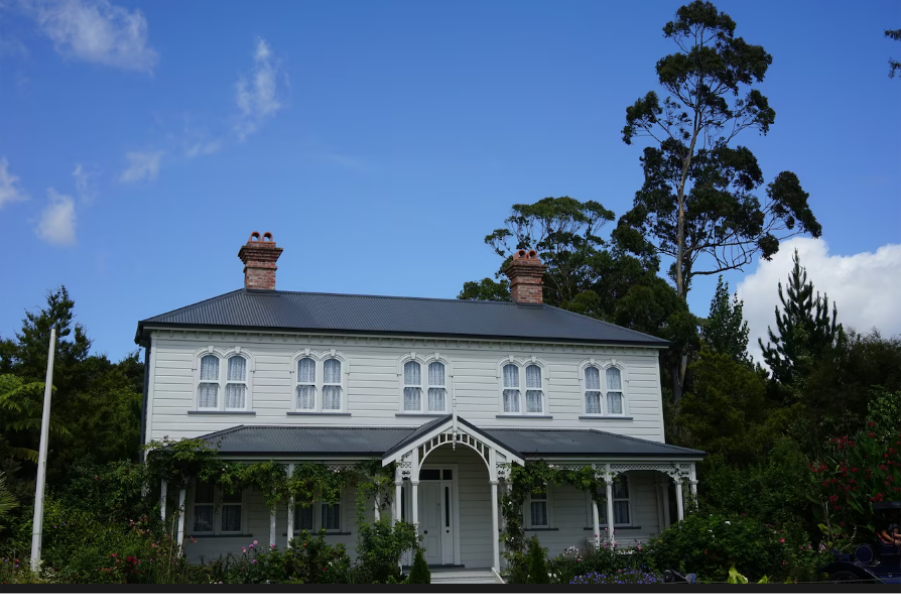
In many situations, a slate roof may appear worn but still retain a strong core structure. Instead of opting for a complete replacement, restoration provides a more efficient way to improve performance. This approach focuses on enhancing existing elements rather than removing them entirely.
By carefully addressing both surface-level defects and deeper structural concerns, restoration restores the roof’s overall functionality. Necessary repairs, reinforcements, and adjustments are carried out to ensure consistent performance across all areas.
Ultimately, this process allows the roof to continue operating effectively for an extended period. Moreover, it offers a cost-efficient solution while maintaining the original character of the structure. This makes restoration a practical choice for achieving long-term durability without major disruption.
Conclusion
Slate roof restoration offers a practical way to preserve the strength and reliability of your roof without the disruption of a complete replacement. Focusing on improving overall condition and performance allows the existing structure to continue functioning effectively for many more years. This approach not only protects the roof but also supports the long-term integrity of the entire property.
In addition, restoration provides a balanced solution between cost and durability. It helps maintain the original character of the roof while ensuring it meets modern performance standards. When carried out at the right time, it becomes a valuable investment that delivers lasting protection and peace of mind.



Comments