
High-ROI Home Upgrades: Where Design Meets Real Estate Value

Updated: Jan 31
Explore high ROI home upgrades where smart design choices align with real estate value, boosting appeal, functionality, and long term returns.

The 2026 cost-vs-value data is in and it paints a stark picture for sellers holding onto outdated concepts of equity. We used to tell clients that a new roof or an updated HVAC system was the ticket to a higher asking price. That logic no longer holds up in the current market. Buyers today view structural integrity as the bare minimum requirement for entry.
They assume the furnace works and the shingles are secure. You do not get a gold star for basic maintenance anymore. The real returns now come from design choices that trigger an immediate emotional response. We are seeing a distinct shift where functional upgrades preserve value but aesthetic improvements create it. It is a harsh reality for the seller who just spent fifty grand on unseen structural repairs. The market rewards what it can see.
The ROI Shift in 2026
There is a fundamental misunderstanding among homeowners regarding what constitutes an investment versus what is simply a cost of ownership. In previous cycles you could expect a reasonable return on a new septic system or upgraded insulation. Today those items are considered "table stakes."
They are the ante required just to sit at the table. If you list a home with a twenty-year-old roof in 2026 you are not just losing the cost of the roof. You are losing the entire segment of the buyer pool that refuses to inherit a maintenance checklist.
This shift reframes why invest in real estate in modern markets. Returns are no longer driven solely by structural adequacy, but by how effectively capital is deployed to enhance desirability, perception, and emotional appeal.
The capital flows toward design. We are advising clients to shift their budgets from invisible fixes to high-visibility finishes. If the mechanicals are passable it is better to leave them alone and pour that capital into the visual experience.
This might sound superficial to a pragmatist but the closing statements tell the story. Buyers justify the price based on how the home makes them feel when they walk through the door. A brand new water heater generates zero feelings. A floor-to-ceiling fireplace remodel generates a lot of them. This is the difference between selling a structure and selling a lifestyle. The former is a commodity and the latter is a luxury product.
The Kitchen and Primary Suite Powerhouses
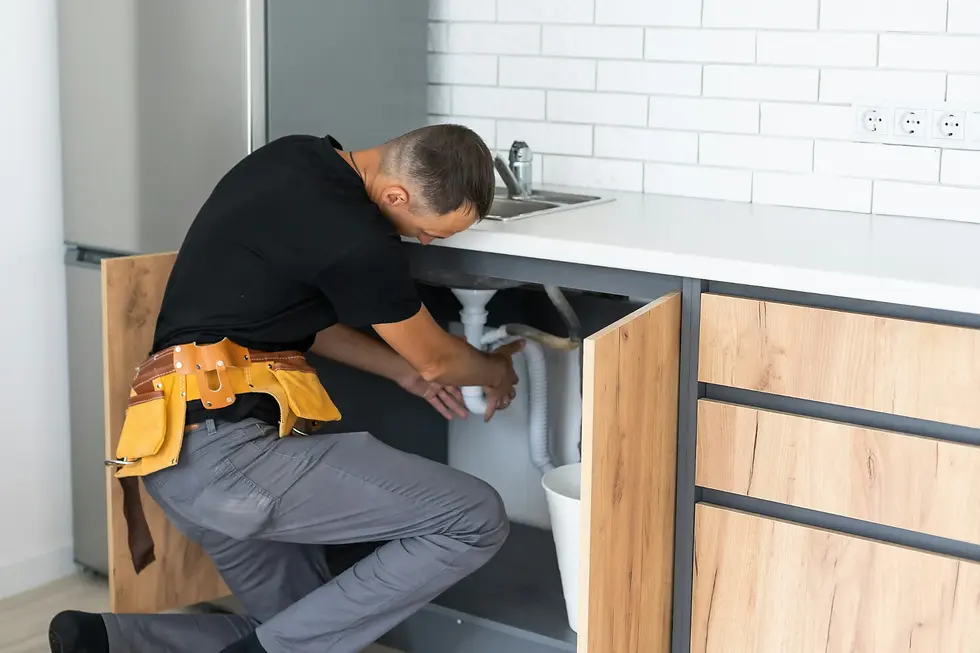
The kitchen remains the absolute anchor of property value but the strategy has changed. The data this year is incredibly specific regarding scope. Full gut renovations often struggle to recoup their costs due to soaring material prices and labor shortages.
A minor kitchen remodel is currently returning a staggering 96% on investment. This suggests that keeping the layout while swapping surfaces is the winning strategy. Sellers are seeing better margins by resurfacing cabinets rather than replacing them.
The countertop conversation has also shifted significantly. Marble has long been the standard for luxury but savvy buyers are weary of the maintenance. We are advising clients to install natural quartzite. It offers the depth and veining of marble but possesses the durability of granite. It survives red wine spills and lemon juice in a way that etched marble never could. This durability matters because the kitchen is where the emotional sale happens. A buyer needs to visualize living there without worrying about coaster discipline.
The primary suite follows similar logic. It is not about adding square footage. It is about finish quality and lighting. We see massive returns on heated floors and steam showers. These are tactile upgrades that a buyer experiences physically.
The psychology here is simple. The primary suite is the only room in the house that is just for the owners. When they see high-end finishes there they feel that the home will take care of them. That feeling is what drives the offer price up.
Outdoor Living as the New Square Footage
The definition of livable space has expanded past the four walls of the main structure. We see this most clearly in resort markets where outdoor living spaces are seeing returns as high as 110% of cost. This is essentially free money for the seller who executes it correctly. The goal is to erase the boundary between the living room and the patio. This is particularly relevant in high-value coastal or lakeside communities where the land value often exceeds the structure value.
I often look at the Lake Geneva real estate market as the prime example of this trend. Estates in this area that feature seamless indoor-outdoor transitions command significantly higher prices than those that isolate the interior from the view. A property with a year-round patio system and professional landscaping feels larger than its actual square footage. In these markets a pier is not just a place to park a boat. It is an extension of the entertainment space. Buyers calculate the value of a home based on how many months of the year they can use the entire property. Smart heating and covered structures extend that usability window.
The landscaping itself must be professional. We are not talking about mowing the lawn. We are talking about hardscaping that directs traffic flow and creates distinct "rooms" outside. Fire pits and outdoor kitchens are no longer novelties. They are expected components of the luxury package. When a buyer walks onto a terrace that is fully furnished and lit correctly they immediately calculate the value of the parties they will host there.
The Turn-Key Premium
There is a genuine fear of renovation among modern buyers. The scarcity of turn-key inventory in 2026 has created a competitive frenzy for finished homes. High interest rates are one factor but the real driver is the volatility of the labor market. Buyers know that finding a reliable contractor and securing permits can take months or even years. They simply do not have the patience or the risk tolerance for it.
Consequently we are tracking a 15% to 20% price premium for homes that require zero immediate work. This "bring your toothbrush" standard is the new benchmark for luxury. A seller might think their vintage 1990s bathroom has charm. The buyer sees a six-month project that will run over budget. This premium suggests that doing the work before listing is almost always worth the hassle. You are essentially taking on the project management risk so the buyer does not have to. They will pay handsomely for the privilege of immediate gratification.
This applies to staging as well. An empty home highlights flaws. A furnished home highlights possibilities. The premium is paid for the certainty of the product. When a buyer walks in and sees that every fixture is new and every wall is painted a modern color they perceive the home as a lower-risk asset. They are willing to overpay for that safety.
Technology and Sustainability
Technology needs to be invisible to be valuable. We are not talking about voice-activated fridges anymore. The value lies in systems that save money and protect the asset. Smart irrigation systems and leak detectors are high on the list for luxury buyers. Energy efficiency is also moving from a nice-to-have to a hard value add.
Recent sales data indicates that green-certified upgrades now add an average of $8,000 to $12,000 to the final sale price. This includes energy-efficient lighting schemes that actually make the home look better while burning less electricity. It is a double win for the seller.
You improve the aesthetic presentation of the home while providing a tangible efficiency metric on the spec sheet. Buyers in 2026 are data-driven. They want to see the utility bills. When you can prove that a home runs efficiently you remove another barrier to the sale.


Comments