
Choosing Window Frames That Suit Your Home Inside and Out

Learn how to choose window frames that complement your home's interior and exterior, with tips on materials, colors, durability, energy efficiency, and style.

Windows are the one design decision that has to work from two directions at once. From the street, they set the character of the house. From the sofa, they frame the view, shape the light and either match the room or fight with it. Get the frames right and everything else in the room has an easier job. Get them wrong and no amount of paint or cushions will fully hide it.
This article looks at how frame material, colour, proportion and detailing affect the look of a home, and how to choose windows that do justice to both the outside and the inside.
Windows set the tone of a room
Before choosing anything, spend a few minutes looking at how the existing windows behave through the day. Where does the light fall in the morning and the evening? Which rooms feel dim and which feel washed out? Where do you actually look when you sit down?
The answers tell you what the new windows need to do. A north facing living room needs the largest, least obstructed glass you can manage. A bright kitchen might benefit from slimmer frames that let the garden do the decorating. A bedroom on a busy road needs glazing that keeps the noise out more than it needs a view.
The frame is part of that picture. Chunky frames make a window feel like a piece of furniture. Slim frames make it disappear so the view takes over. Neither is better, but they suit different rooms and different houses.
Frame materials and the look they give
Timber is the traditional choice and still the most beautiful for many people. It has warmth, it takes paint or stain well, and it can be made in almost any profile, which matters in older houses where the windows need to match what was there before. The cost is maintenance. Timber needs repainting or retreating every few years, and exposed elevations weather faster.
Aluminium gives the opposite feel. Frames can be very slim, colours are almost unlimited and the finish lasts for years with little more than a wash. It suits modern houses, large panes and anywhere the aim is maximum glass and minimum frame. Inside, though, a metal frame can feel cool and hard next to timber floors and soft furnishings.
Some homeowners choose aluminium clad windows, which have a timber frame on the inside and a metal outer skin. The room gets the warmth and finish of wood, the elevation gets the low maintenance and slim lines of metal, and the two can be different colours. For a house where the inside and outside want different things, it is a neat way of not having to choose.
uPVC is the practical option. It is affordable, needs little care and has improved a great deal in appearance. The better ranges now offer foiled woodgrain finishes and slimmer profiles. It still struggles to match the fine sections of timber or aluminium, and on a period house that difference shows.
Colour, inside and out
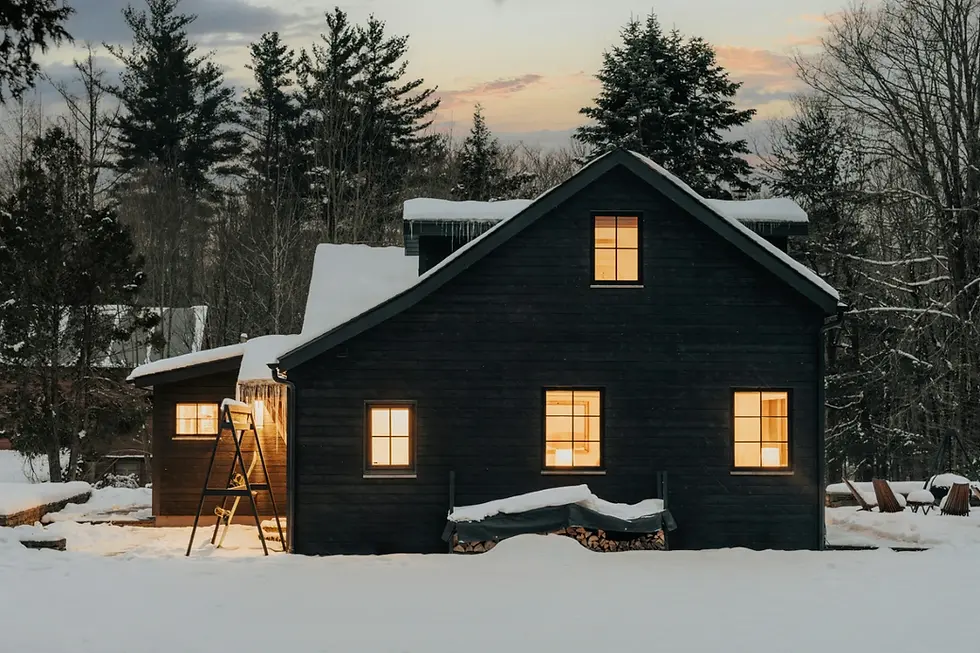
White is the safe choice and the default for most of the country, but it is not the only one. Dark frames in charcoal, black or deep green have become popular on both new and old houses, and for good reason. They read as crisp from the street, they make the glass look larger, and they sit well against brick, render and stone alike.
Inside, the same dark frame can be striking or heavy depending on the room. In a light, spacious space with pale walls it draws a clean line around the view. In a small room with lots of pattern it can close things in. This is where a window that allows a different colour inside and out earns its keep, because you can go dark on the elevation and keep the interior soft.
Whatever you choose, think about the frames alongside the front door, the fascias and any garden buildings. A house where all of these match looks considered. A house where they do not looks like a series of separate decisions, which is usually exactly what it is.
Proportion, bars and opening styles
The shape of the window matters as much as the material. Tall, narrow openings feel elegant and suit period houses. Wide, low openings feel modern and suit views. Where you can, keep the proportions of the original openings, because the house was designed around them.
Glazing bars are a small detail with a big effect. On a Georgian or Victorian house they are part of the character and removing them flattens the elevation. On a modern house they usually look fussy. If you want bars, look at how they are made. Bars fitted inside the sealed unit are cheap but can look flat. Bars applied to the glass on both faces look far more convincing.
Opening style changes the look too. Casements that swing outward are the most common. Sashes that slide up and down are right for many older houses. Tilt and turn windows are practical for cleaning and ventilation but the wider frames and inward swing need planning around furniture and blinds.
Dressing the window
Once the frames are chosen, the window still has to be dressed. Curtains, blinds and shutters all interact with the frame.
Deep timber frames give shutters something to sit against and make a curtain pole look grounded. Slim aluminium frames often look best with a recessed blind or no dressing at all, so the clean line is not interrupted. Dark frames pair well with pale linen and look muddy behind heavy patterned fabric.
Think about the sill too. A generous internal sill in timber or stone becomes a shelf for plants and objects and links the window to the room. A narrow sill is fine but gives you nothing to work with.
Conclusion
A window is a piece of the elevation and a piece of the room at the same time, and the best choices respect both. Decide what each room needs from its light and its view, pick a material that gives the right feel inside and the right maintenance outside, choose colours that tie the whole house together, keep the proportions the building was designed for and dress the result simply. Do that and the windows stop being a compromise and start being one of the reasons the house looks good.


Comments