
8 Tips for Creating a Restaurant-Inspired Dining Experience at Home

Discover 8 tips for creating a restaurant inspired dining experience at home with the right lighting, table settings, decor, and atmosphere.
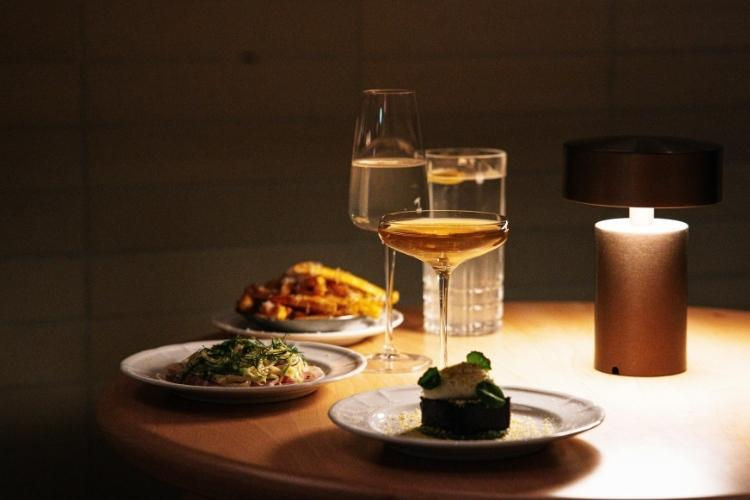
There’s something special about sitting down to a beautifully prepared meal at a great restaurant. It’s rarely just about the food. The atmosphere, presentation, lighting, and attention to detail all work together to create an experience worth remembering.
Fortunately, you don’t need to book a table every time you want to enjoy that feeling. With a few thoughtful changes, you can turn an ordinary evening at home into a dining experience that feels every bit as considered as your favourite restaurant. Here are eight practical ways to do it.
1. Start With Exceptional Ingredients
Professional chefs know that outstanding meals begin with quality ingredients. Fresh produce, seasonal vegetables, aromatic herbs, and carefully sourced meat can make a noticeable difference before you even begin cooking.
If you're planning a special dinner, consider building your menu around one standout ingredient rather than trying to prepare several complicated dishes. A beautifully cooked piece of organic duck or game meat, for example, can become the centrepiece of an elegant meal with surprisingly little effort.
If you’re looking for responsibly sourced options, premium cuts like organic duck chops from The Organic Butchery can inspire dishes that suit a restaurant-style menu.
2. Plan a Cohesive Menu
Restaurants rarely throw random dishes together. Instead, each course complements the next. Before you start cooking, think about how your meal flows from beginning to end. A light starter should prepare the palate without filling guests up. The main course should be satisfying without feeling overwhelming, while dessert should provide a memorable finish.
Keeping flavours consistent also helps. If your main course has earthy, rich notes, choose starters and sides that support rather than compete with those flavours. You don't need three elaborate courses, either. A thoughtfully planned two-course meal often feels more refined than several rushed dishes.
3. Set the Table With Intention
Presentation starts long before the food reaches the plate. A clean tablecloth, polished cutlery, cloth napkins, and proper glassware instantly make the occasion feel more special. Candles create warmth without requiring expensive decorations, while fresh flowers or simple greenery can provide an elegant finishing touch.
Try to avoid overcrowding the table. Restaurants leave enough space for guests to enjoy both the food and the surroundings without distraction. And these small details often leave the biggest impression.
4. Plate Like a Chef
Even simple recipes look more impressive with careful presentation. Instead of quickly placing food on the plate, take a moment to arrange each component thoughtfully. Leave some empty space around the edges, stack ingredients where appropriate, and wipe away any drips before serving.
Colour also matters. Bright vegetables, fresh herbs, or a light drizzle of sauce can add contrast and make the dish look more inviting. Remember that restaurant plating isn't about making portions smaller. It's about presenting the food in a way that highlights each ingredient.
5. Create the Right Atmosphere
Restaurants work hard to create environments that encourage guests to relax. You can recreate much of that atmosphere at home with a few simple adjustments. Lower the lights slightly, light a few candles, and choose background music that complements the mood without dominating conversation.
Before guests arrive, clear away everyday clutter from the dining area. Even small distractions such as unopened post, charging cables, or children's toys can interrupt the sense of occasion. The aim is to create a space where everyone can focus on enjoying the meal together.
6. Time Everything Carefully
One hallmark of excellent restaurants is that every course arrives at the right moment. At home, preparation is the key to achieving the same effect. Chop vegetables, prepare sauces, and set the table before you begin cooking. This allows you to spend less time rushing around the kitchen and more time with your guests.
Choose recipes that can be prepared in stages rather than several dishes that all demand attention at the last minute. Good timing helps the evening feel relaxed rather than stressful.
7. Pair Food With Suitable Drinks
Thoughtful drink pairings add another layer to the dining experience. Wine often receives the most attention, but sparkling water, homemade lemonade, craft soft drinks, herbal teas, or carefully prepared mocktails can complement a meal just as effectively.
Think about balance. Rich dishes often benefit from lighter, more refreshing drinks, while delicate flavours pair well with beverages that won't overpower them. Serving drinks in appropriate glassware also contributes to the overall presentation.
8. Slow Down and Enjoy the Experience
Perhaps the biggest difference between everyday meals and restaurant dining is the pace. Rather than rushing through dinner, allow yourself time between courses. Enjoy conversation, savour each bite, and appreciate the effort that went into preparing the meal.
Switch off televisions, silence mobile phones where possible, and let the meal become the main event of the evening. Creating a memorable dining experience isn't about perfection. It's about making the occasion feel intentional and enjoyable for everyone at the table.
Final Thoughts
Restaurant-quality dining begins with thoughtful planning rather than professional training. Choosing quality ingredients, preparing a balanced menu, paying attention to presentation, and creating a welcoming atmosphere all contribute to an experience that feels genuinely special.
The next time you're planning a meal at home, focus on the details that restaurants do so well. With a little preparation and care, an ordinary dinner can become an occasion your guests will remember long after the last course has been served.


Comments