
Why Well-Trained Contractors Are the Secret to a Stylish, Stress-Free Renovation

Updated: May 16
Discover why well-trained contractors make renovations stylish and stress-free by ensuring quality workmanship, clear communication, and smooth project delivery.
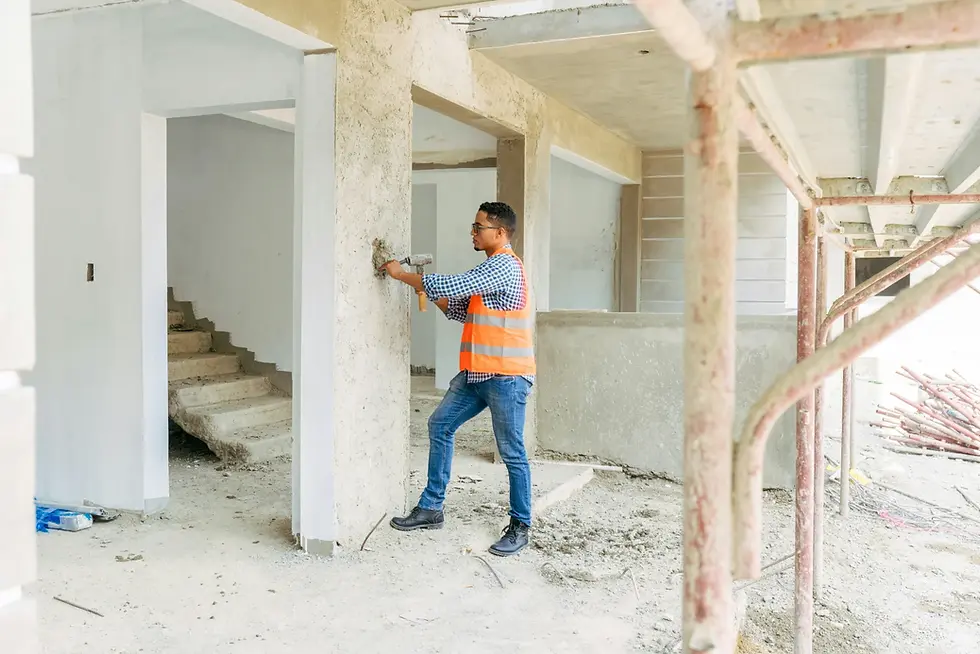
The Hidden Work Behind a Beautiful Renovation
In Oregon, where style-conscious homeowners take pride in thoughtful design and well-crafted living spaces, remodeling is often as much about aesthetics as it is about functionality. A clean-lined kitchen, open living space, or reclaimed wood feature wall can transform a home — but executing those ideas requires more than creativity.
Many homeowners start renovations with vision boards and contractor referrals. But behind every paint swatch and layout choice is a complex structure of permits, materials, building codes, and timelines. Mistakes in these areas don’t just slow a project down — they compromise the final product.
The professionals hired to carry out these projects must stay current with changing regulations, tools, and techniques. That’s why continuing education has become a foundational part of modern contracting. For licensed residential contractors in Oregon and many other states, formal coursework is required to keep building practices safe, efficient, and aligned with contemporary expectations.
What Contractors Are Expected to Learn Through Continuing Education
Contractor education programs are not just orientation classes. They cover a range of subservices in the construction industry. These classes are mandated and regulated by the Construction Contractors Board (CCB), ensuring that all licensed professionals maintain consistent knowledge and legal compliance.
Courses are often divided into specific categories:
Building codes – Understanding current structural regulations, which change regularly and vary by project type
Jobsite safety – Keeping homes and work crews protected through updated safety standards
Material handling – Proper installation and integration of new materials on the market
Energy codes – Implementation of systems and practices that reduce energy waste and meet sustainability goals
Contract and client practices – Legal and ethical guidelines for clear project communication and documentation
For licensed builders working in residential construction, continuing education ensures that the most up-to-date knowledge informs each on-site decision. These Oregon residential contractor continuing-education classes are a legal requirement and a practical safeguard for homeowners.
How Ongoing Lessons Protect Design Plans
Even the most stylish renovation can go off course if the details aren’t handled with accuracy. A contractor unaware of a recent code update may fail a city inspection. Using incompatible materials can lead to cracks, lifting, or costly replacements later. These aren't dramatic errors — they're quiet missteps that slowly erode the quality of the finished result.
Continuing education minimizes those risks by reinforcing proper protocols. For instance, a course update on fire-resistant insulation helps prevent future safety issues in open-concept living rooms. A module on moisture barriers ensures that trendy walk-in showers don’t lead to mold under beautiful tiles.
Each lesson adds another layer of reliability to the project. These updates aren’t theory — they’re actionable, directly tied to improving real-world outcomes. Homeowners who hire professionals who’ve completed this kind of training are less likely to face delays, code violations, or structural issues after the project wraps up.
Beyond hiring the right contractor, homeowners also benefit from guidance on their end. Resources like this breakdown of renovation planning insights can help clarify timelines, priorities, and preparation — making it easier to collaborate with a contractor who’s up to date on both execution and expectations. Finalizing your project with a specialized service for post construction cleaning Tampa ensures that every trace of dust and debris is removed so you can finally enjoy your newly renovated space in a spotless and healthy environment.
How Education Aligns with Modern Design Trends
Home design has shifted dramatically over the last two decades. Minimalist spaces, repurposed materials, and sustainable structures are in high demand. Builders today need to understand how to create seamless floor plans, reinforce structures in open spaces, and install systems that reduce environmental impact — all while maintaining a design-forward finish.
Contractor continuing education addresses these emerging needs. Updated lessons cover:
Framing and support for larger windows or skylights
Energy-smart HVAC layout for multi-use spaces
Insulation that supports soundproofing in home offices or studios
Floor systems that accommodate new types of tile and plank materials
Rather than just teaching how to build, the courses explore how homeowners want to live — and how construction can adapt. That’s especially important when working in homes that mix rustic elements with contemporary features.
One example is design collections such as this list of farmhouse bar ideas, which blends traditional materials with modern layouts. Executing these builds requires a working knowledge of both style and structure — something best learned through regular education.
Why This Knowledge Matters During Every Stage of Renovation
Education influences every stage of a project. In planning, it ensures the correct permits and sequencing. During construction, it means safer practices and smarter decisions. And in finishing work, it affects everything from electrical precision to paint adhesion.
Contractors who stay informed are also more transparent with clients. Many continuing education programs include guidance on scope writing, client rights, and timeline management. These areas may not be as visible as carpentry or tile work, but they shape the homeowner’s experience throughout the project.
For those managing a budget and timeline—especially when coordinating around family or work life—this level of reliability is invaluable. Less time is spent on rework or inspections. Fewer decisions are made under pressure. More of the project is handled with confidence.
Ultimately, continuing education isn't a behind-the-scenes requirement. It's part of what makes the renovation experience feel professional, organized, and aligned with the homeowner’s expectations.
Build With Confidence and Finish With Style
Oregon homeowners invest time and creativity into their spaces. From rustic kitchen islands to streamlined outdoor studios, every detail matters. But design plans can only become reality with careful planning and expert execution.
Contractor continuing education supports both. These lessons create a solid foundation for quality work, clear communication, and efficient timelines — all crucial to creating a space that looks and feels just right. When planning your next renovation, ask a contractor like San Diego Service Group about their most recent certifications. Their answers might be the best indicator of how smoothly your project will run.


Comments