
The Renovation Survival Guide: How a Storage Unit Saves Your Sanity

Navigate home renovations with less stress by learning how a storage unit helps protect belongings, reduce clutter, and keep your space organized.
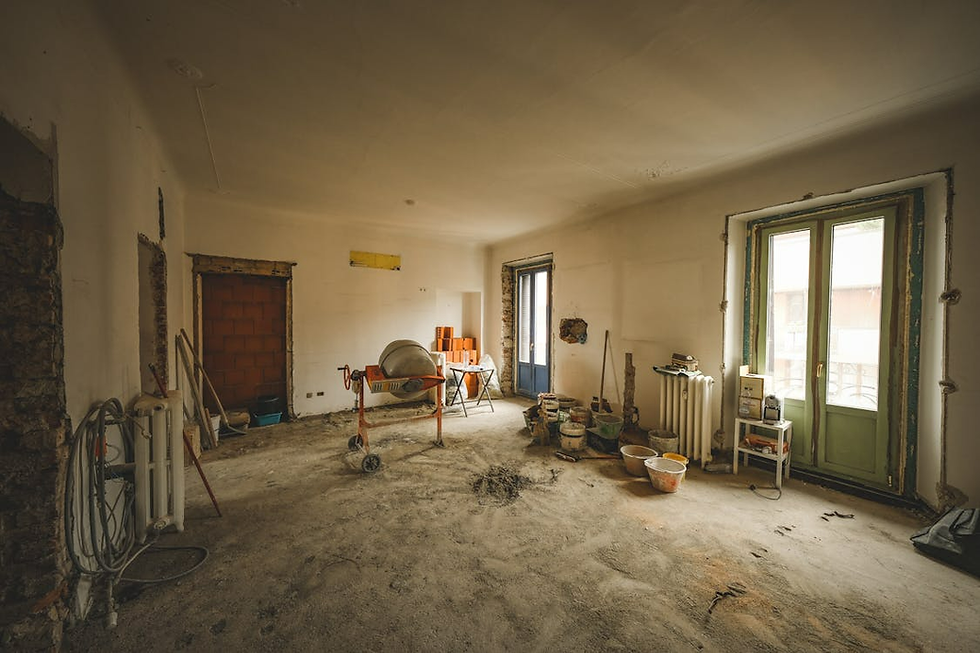
Renovation brochures promise dream kitchens but deliver gray dust, missing coffee makers, and toothbrushes lost in a “misc” box. A house becomes a construction site. One thing saves sanity: a storage unit.
Why the Dining Room Table Should Never Be a Storage Rack
When walls come down, the instinct is to pile everything into the remaining rooms. The living room becomes a mountain of lamps, winter coats, and the good china. The bedroom path narrows to a single shuffle. This arrangement fails for three clear reasons:
Dust and damage are guaranteed. Drywall dust finds every crevice. A hammer dropped upstairs shakes a chandelier in the dining room. Construction crews need space to move, and furniture stacked against walls gets dented, scratched, or just permanently gritty.
Delays multiply the mess. A two-week electrical job becomes six weeks, and the pile of household goods in the hallway doesn’t shrink. It breeds frustration.
No room for working. Contractors cannot install flooring if every square inch holds storage bins. The homeowner cannot paint a room if it’s packed to the ceiling with bookshelves.
Choosing the Right Space: Beyond Just Four Walls
Not every storage unit delivers the same relief. Renting the smallest locker and filling it makes access very difficult. The goal is strategic breathing room. Consider a storage unit for 3 bedroom home, as that often means a 10’x15’ or 10’x20’ unit. It all depends on furniture size and the amount of hobby gear, seasonal decorations, and extra linens.
Key factors to weigh before signing:
Climate control is non-negotiable for certain items. Wood furniture, leather, electronics, documents, wax candles, and musical instruments warp, crack, or mold in standard units. Pay the small monthly premium.
Drive-up access saves backs and patience. Carrying a sofa up two flights of interior storage stairs during a rainstorm is a memory best avoided.
Hours matter more than expected. A 24-hour facility allows a late-night dash for a child’s birth certificate or a tool left in a bin.
A well-chosen unit sits like a silent partner in the renovation; always there, never complaining, and holding everything safe until the new floors are sealed.
The Packing Method That Prevents Mid-Renovation Meltdowns
Tossing items into random boxes with a Sharpie scrawl of “kitchen stuff” guarantees chaos three weeks later. A systematic approach turns the storage unit into an extension of the house, not a black hole.
Zone by room, then by priority. Label every box clearly: “Master bedroom - off-season clothes,” “Living room - lamps and art,” “Garage - power tools.” Then, within each room group, mark high-priority items (coffee maker, pet meds, laptop charger) in bright tape.
Use clear bins for anything needed during the build. Tupperware, rain boots, backup phone cords; see-through containers eliminate digging.
Take vertical photos before hauling: Snap a picture of each box’s contents and tape a printed mini-photo to the outside. Future sanity thanks to past effort.
Create a “first week” duffel. The five things needed immediately: work clothes, toiletries, basic cookware, important documents, a phone charger, stay separate from the main unit, ideally at a friend’s house or in the car trunk.
The Weekly Supply Run
A renovation without a storage unit means living like a scavenger. Every item requires a hunt through plastic sheeting and toolboxes. A storage unit puts supplies back on a schedule.
Practical rhythm during the build:
Designate one weekly trip. Tuesday evening from 6 to 7 PM becomes “unit hour.” Swap out winter coats for spring jackets, retrieve the next box of kids’ books, and drop off the new light fixtures that arrived early.
Keep a running list in the fridge. Everyone writes down what they need from the unit. No mid-week emergency dashes.
Use the unit as a staging area. Purchased new bathroom tile? Store it in the unit until the plumber finishes. Delivered the sofa for the finished living room? Park it in a climate-controlled space until the paint dries.
Leave an aisle. Pack the unit so that a clear path exists to every zone. Stack boxes by room, but never block the back corner entirely. Crawling over bins ends badly.
What Should Never Go Into Storage
While a storage unit solves countless renovation headaches, certain items create new disasters if locked away. Some things stay in the house, or find alternative homes.
Avoid storing these:
Irreplaceable sentimental items with no digital backup. Wedding dresses, original birth certificates, and photo albums with no copies. A climate-controlled unit is safe, but a friend’s guest room closet is safer. Floods, roof leaks, and theft are rare but real.
Anything flammable or hazardous. Paint thinners, propane tanks, gasoline, fertilizers, or aerosol cans. Most leases ban them, and for good reason; they endanger the entire facility.
Perishable food or living things. No dry pasta, canned goods (temperature swings damage seals), plants, or pets. Not even briefly.
Critical medical supplies or daily medications. Keep a thirty-day supply in the temporary living space. A surprise late-night fever is not the time to drive to the storage facility.
The Gift of an Edited Home
The renovation finishes. The floors gleam. The contractor hands over the keys. Now comes the moment most people dread: moving back in. But a storage unit used wisely delivers one final gift: editing.
Before hauling everything back, a pause happens at the unit door.
Ask each box a hard question. Did anyone miss this item for three months? If not, donate or sell it on the spot. Many facilities have donation bins nearby.
Bring back in waves. Week one: furniture, kitchen basics, beds. Week two: decorative items, off-season gear, hobby equipment. Week three: everything else. This prevents overwhelm and allows the new space to breathe.
Leave the unit for thirty extra days. Keep the rental for one month post-renovation. Use it as a slow-moving buffer. Anything that doesn’t find a home in that month clearly doesn’t belong in the house.
Enjoy the newly spacious closets. A renovation paired with a storage unit often reveals that half the clutter was never needed. Celebrate the lighter load.

The final walk to an empty storage unit: keys turned in, lock removed, feels better than the first day of demolition. The house stands finished. The sanity remains intact. And the only dust left is the kind that wipes away easily, with a smile.


Comments