
The Art of Effortless Hosting: Creating a Luxury Dinner Experience at Home

Learn how to create a restaurant-quality dinner experience at home. Covers menu planning, timing, ambience, ingredient quality, heat management, and how to stay composed during service.
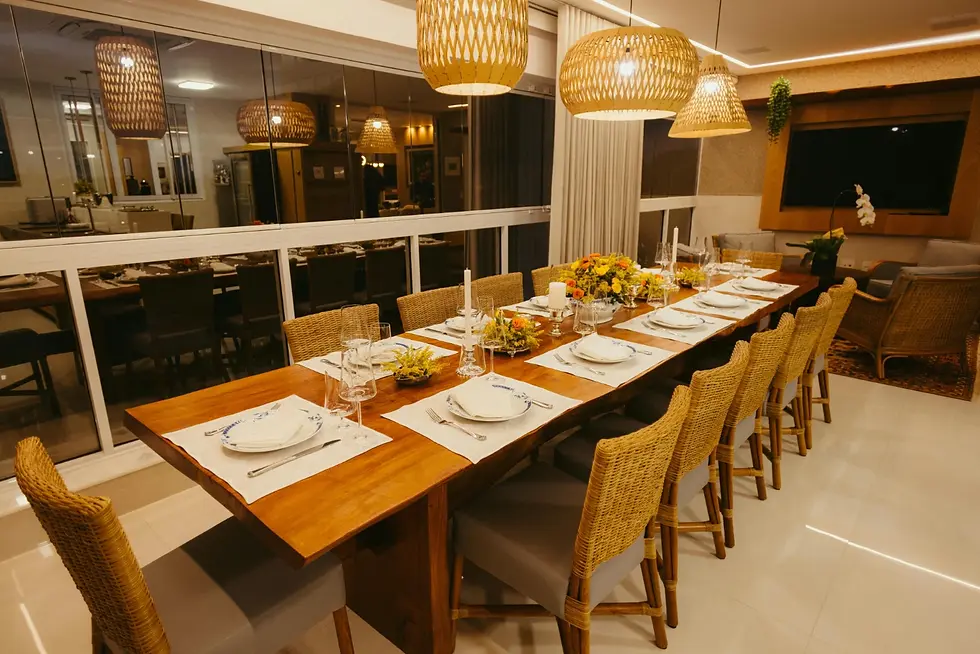
A luxury dinner at home is not about complicated recipes or expensive ingredients. It is about control. Restaurants deliver consistent, high-quality experiences because they operate on structure, timing, and preparation. Most hosting failures at home have nothing to do with cooking ability. They come from underestimating execution time, overcrowding the menu, or treating the kitchen as the only variable that matters.
Creating a genuine fine dining experience at home means thinking beyond the food. You are designing an evening where pacing, ambience, and presentation work together. The goal is not to impress guests with how difficult the meal was to pull off. It is to make the whole thing feel effortless, which paradoxically requires more planning than most hosts put in.
Ingredient quality plays a significant role in this. Sourcing matters at the premium end of home cooking, and providers like LobsterAnywhere make it easier to access properly handled seafood without having to rely on whatever the local market happens to have that day.
What Actually Makes a Dinner Feel Luxurious
The biggest misconception in home entertaining is that quality correlates with complexity. It does not. Guests almost never remember how technically difficult a dish was to prepare. What they remember is how the evening felt: whether it was relaxed, whether everything arrived at the right temperature, whether the host was present and composed or visibly stressed and distracted.
A casual dinner is reactive. You cook, something takes longer than expected, you apologize, the meal arrives in fragments. A structured dining experience is intentional. Every course, every transition, every environmental detail is planned in advance. That planning is what creates the perception of effortlessness, even when the execution behind it was anything but.
Three things guests actually respond to, in order of impact:
Pacing: does the evening flow, or does it stall between courses?
Atmosphere: does the room feel deliberate, or like an afterthought?
Food quality: are the ingredients good enough to speak for themselves?
Complexity ranks nowhere near the top of that list. A well-timed three-course meal in a properly lit room will leave a stronger impression than a chaotic seven-course tasting menu.
Planning the Menu Around Your Kitchen
Your kitchen is not a restaurant kitchen. That is the single most important constraint to design around, and most hosts ignore it entirely when planning their menu.
A home kitchen typically has two to four burners, one oven, and limited counter space. Before you decide what to cook, map those resources against the menu you are considering. The question is not whether you can cook any individual dish. It is whether you can cook all of them simultaneously, in sequence, without bottlenecks.
The course structure table below shows how to distribute the kitchen load across a multi-course format so that early courses are done well before service and the main course gets the attention it needs:
Course | Ideal Format | Prep Ahead? | Heat Source Needed? |
Starter | Cold or room temperature: cured fish, charcuterie, small bites | Yes, fully | No |
Light course / salad | Dressed salad, light soup, or cold seafood | Mostly, finish at service | Minimal |
Main | One centerpiece protein with sides | Partial prep ahead | Yes, primary focus |
Cheese / intermezzo | Optional. Breaks the pace before dessert. | Yes, fully | No |
Dessert | Something that can be plated and held. Avoid last-minute baking. | Yes, fully | Ideally no |
The core principle is that anything which does not actively benefit from being cooked to order should be prepared ahead. Early and late courses should require no active cooking during service. The main is where your burners and oven are focused entirely. This is how restaurant kitchens manage dozens of covers with a small team, and the same logic scales down to a dinner party of eight.
Preparing in Advance for Smooth Execution
The amount of work you do before guests arrive directly determines how composed you are during dinner. This is not about cutting corners. It is about recognizing that anything done under pressure during service will be done worse than the same thing done calmly two hours earlier.
The general rule: if a preparation step does not meaningfully degrade when done ahead of time, it should not happen during service.
Day or morning before
Make stocks, reductions, and sauces fully
Prepare dessert and refrigerate
Source and store all proteins correctly
Afternoon of the dinner
Chop, portion, and organize all mise en place into labeled containers
Organize the fridge by course order so items for earlier courses are at the front
Set the table completely
Plate any cold starters or amuse-bouche
During service
Finish and plate the main
Reheat pre-made sauces gently
Plate dessert from whatever was prepared earlier
The less you have to think during service, the more attention you can give to the actual dinner. Guests notice when a host is relaxed. They also notice when one is not.
Creating the Right Dining Environment
Ambience influences how guests perceive food quality more than most hosts account for. You can serve a technically excellent dish, but if the room feels casual or unplanned, the experience will not register as premium. The reverse is also true: strong atmosphere can elevate a simple meal considerably.
Restaurants do not rely on food alone to justify their prices. They build an environment that primes guests to expect something good before the first course arrives. That same principle applies at home, and the effort required is less than most people assume.
Element | What to Do | What to Avoid |
Lighting | Dim, warm tones. Candles or dimmable lamps. Aim for intimate without being too dark to see the food. | Overhead fluorescents. Bright, cold white light. Anything that feels like a kitchen rather than a dining room. |
Table setting | Linen napkins, consistent spacing, one set of cutlery per course ready or replaced between courses. | Mismatched plates, paper napkins, cluttered center pieces that take up space guests need. |
Music | Low background music that does not compete with conversation. Jazz, classical, or ambient playlists work well. | Anything with lyrics loud enough to distract. Silence can also feel awkward for more than a few guests. |
Serving ware | Different plates per course adds visual variation and allows next-course prep while guests eat. | Improvised serving pieces, paper plates, or anything that signals the host has run out of options. |
Temperature | Warm plates for hot food, cool plates for cold courses. Warming plates in the oven or cooling in the fridge takes five minutes. | Serving hot food on a cold plate or cold food on a warm one. Both affect how the dish tastes. |
None of this requires significant investment. Most of it is about removing things that undermine the experience rather than adding things that enhance it. A clean, uncluttered table with consistent lighting does more than an elaborate centerpiece on a cluttered surface.
Ingredient Quality and Menu Elevation
Premium ingredients reduce the need for complex technique. This is one of the things professional kitchens understand that most home cooks do not act on. When the ingredient is genuinely good, restraint in preparation produces a better result than elaboration. The cooking becomes about not ruining something rather than constructing something.
Seafood is particularly well suited to this approach because it delivers high visual and flavor impact with relatively short cook times and minimal seasoning requirements.
For a seafood centerpiece course, options such as colossal lobster tails give you a dish that reads as genuinely special without requiring the kind of technical preparation that risks disaster during a dinner party service. Lobster works in this context because it has a naturally rich flavor that needs almost no embellishment, cooks quickly in a controlled environment, and portions cleanly for plating.
The discipline required is restraint. The instinct when cooking something expensive is to add more to justify the cost. That instinct produces worse results. Let the ingredient carry the dish and support it simply.
Managing Timing and Heat During Service
Timing is where most dinner parties fall apart in practice. The food is good, the table is set, and then two dishes need the oven simultaneously and the whole sequence collapses. The problems that surface during service are almost always problems that existed in the plan before guests arrived.
The solutions are straightforward when you plan for them:
Situation | Strategy | Why It Works |
Multiple hot dishes needed at once | Cook proteins partially in advance, finish to order during service | Frees up burners and reduces the window where everything needs attention simultaneously |
Keeping food warm without overcooking | Low oven (170-200°F), covered dishes, or resting periods before plating | Residual heat maintains temperature without continuing to cook the protein |
Sauce or component not ready in time | Prepare all sauces fully in advance and reheat gently at service | Removes one active task during the busiest point of the evening |
Two dishes competing for the oven | Stagger oven use by 15-20 minutes, or use one dish that can hold at low temperature | Avoids the bottleneck that collapses the timing of the entire service |
Long gap between courses | Serve a no-cook intermezzo or cheese course to bridge the gap | Keeps guests engaged and the pace feeling intentional rather than disorganized |
The buffer principle is worth applying explicitly: before finalizing your menu, identify which heat sources each dish requires and at what point during service. If any two dishes require the same burner or oven space at the same time, either stagger the timing or replace one of the dishes. This constraint-checking step takes fifteen minutes during planning and prevents the most common service failures.
Food Safety During Multi-Course Service
Food safety is not something that gets relaxed in a premium context. It matters more, because multi-course dinners involve food sitting in various stages of preparation for longer periods than a single-dish meal.
The main risk is time in the temperature danger zone, which runs from 40°F to 135°F. Proteins held in that range for more than two hours become a food safety concern regardless of how they were originally cooked.
Keep proteins refrigerated until 20 to 30 minutes before cooking.
Hot food held for service should stay above 135°F, either in a low oven or covered and insulated.
Cold starters and desserts should go back in the fridge if service is delayed.
Maintain separate prep surfaces for raw proteins and ready-to-eat food.
Guests will not see your kitchen. But a chaotic or unsafe kitchen tends to produce a disjointed dining experience that guests sense even without understanding why. Cleanliness and organization are part of the control that makes the evening feel smooth.
How to Stay Composed While Hosting
Hosting stress comes from poor planning rather than from the number of guests. The hosts who appear effortless are not naturally calmer. They have done more work before the dinner so that during it they have fewer decisions to make and fewer tasks competing for their attention.
A few specific things that reduce the load during service:
Delegate drink management to a partner or a guest. Managing drinks while cooking is one of the most common reasons hosts fall behind.
Assign a clearing role. Having someone remove plates between courses keeps the pacing tight without requiring you to leave the kitchen repeatedly.
Write a service timeline. A simple list of what gets served when, with notes on what needs to happen in the kitchen at each point, removes the need to hold the sequence in your head during service.
Accept that minor imperfections are invisible to guests. The sauce was supposed to be smoother. The plating on the third plate is slightly messier than the first two. Guests almost never notice these things, and drawing attention to them is the only way they register.
When to Scale Back Instead of Push Forward
More courses, more dishes, and more complexity do not produce a better dinner. They produce a harder-to-execute dinner, and execution quality is what guests actually experience.
If any of the following apply to your plan, scale it back before guests arrive:
More than two dishes require active cooking during service
Multiple courses depend on the same heat source at the same time
Less than half the preparation can be done ahead
You have not run through the timing mentally from start to finish
A well-executed three-course dinner with one centerpiece dish is more impressive than a poorly executed five-course menu. The ambition should match the infrastructure, not exceed it.
Conclusion
Creating a luxury dinner at home is a planning problem as much as it is a cooking problem. The hosts who pull it off consistently are not better cooks. They are better organizers. They design a menu that fits their kitchen, prepare everything they can in advance, set the room before guests arrive, and leave themselves enough space during service to be present rather than panicked.
The evening guests remember is not the one with the most courses. It is the one where everything felt smooth, the food arrived at the right temperature, and the host was actually at the table enjoying it alongside them. That outcome is entirely achievable at home, and it starts well before the first guest walks through the door.
Frequently Asked Questions
How do you create a fine dining experience at home?
Focus on structure rather than complexity. Plan a clear menu that works within your kitchen's capacity, prepare as much as possible in advance, manage the timing of each course deliberately, and set the dining environment before guests arrive. The food is one component. Pacing and atmosphere carry equal weight.
What makes a dinner party feel luxurious?
Consistency and intentionality. When food arrives on time at the right temperature, the table is properly set, the lighting is right, and the host is relaxed, the evening naturally feels premium. Guests are sensitive to effort and atmosphere even when they cannot articulate exactly why something felt special.
How many courses should a dinner party have?
Three to five courses is the practical range for a home kitchen. This provides enough structure and variety to feel considered without overloading your heat sources or extending the evening past the point where guests are still enjoying it. A three-course meal executed well is more impressive than a seven-course one executed poorly.
What foods work best for a luxury dinner at home?
Dishes that can be substantially prepared in advance and finished quickly during service. Seafood, particularly lobster, works well in this context because it has high visual impact, requires minimal seasoning, and cooks quickly in a controlled environment. Proteins that hold well at low temperature without overcooking give you more flexibility during service.
How do you manage timing when hosting a dinner party?
The timing is set during the planning phase, not improvised during service. Map out which dishes need which heat sources and when. Stagger anything that would otherwise create a bottleneck. Use early and late courses that require no active cooking to give yourself a clean window for the main. Write a simple service timeline and stick to it.


Comments