
Old-World Craftsmanship Meets Modern Home Design

Explore how old-world craftsmanship blends with modern home design through timeless materials, traditional techniques, and refined details that bring character to contemporary spaces.
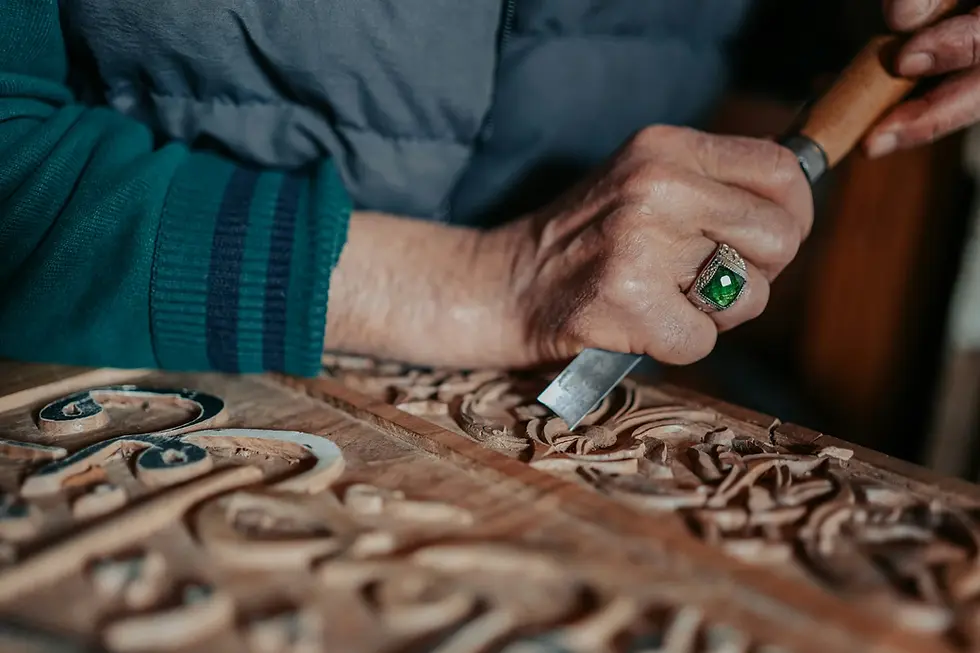
The trend in modern domestic architecture is towards minimalism, which is defined by geometric design, seamless texture, and industrial construction. Although this trend provides spatial effectiveness, new homeowners express dissatisfaction with the impersonality and coldness of environments made exclusively using mass production technologies. However, what designers of high-end constructions use today to overcome this problem is not a recreation of the past, but rather the combination of old building traditions with contemporary structures.
The combination of the old and new results in architecture that has physical qualities and a certain character.
Structural Honesty and Material Integrity
The underlying principle of the tradition of historical building practices is that of structural integrity, whereby the essential components of the house perform both practical and aesthetic roles. Contemporary timber framing offers a good example of such an approach to construction. The practice of hiding the support beams from view by installing drywall is no longer common in contemporary interior design. Artisans working with such elements use the mortise and tenon technique with hardwood dowels as opposed to using steel fasteners hidden within.
When coupled with large glass panels running the entire length of the wall, this technique showcases the organic nature of the timber while still retaining the spaciousness inherent in contemporary floor plans. Using natural structures along with a clean architectural envelope can create a sense of connection between the past and the present.
Similarly, there is an equivalent principle with respect to internal surfaces. Conventional drywall yields plain, flat surfaces that lack any personality. Conversely, traditional lime plaster and Venetian finishes incorporate elements of tone and texture that diffuse light. This material is applied manually using metal trowels and gains strength through the absorption of carbon dioxide, becoming a layer of limestone with mold resistance and natural breathability. The play on the surface captures light naturally in ways that regular latex paint cannot match.
Exterior Envelopes and Specialized Trades
The exterior envelope presents yet another area where the balance between traditional craftsmanship and modern technology can be struck. Modern buildings demand maximum thermal efficiency and complete moisture resistance; however, the usual building exteriors fail to last long.
Building with stone masonry creates a long-lasting exterior if constructed with old dry-stack or lime-mortar methods. The National Park Service’s guidance on repointing mortar joints in historic masonry explains why mortar that matches the original in softness and permeability protects the stone over the long term. In many cases, modern construction uses simple ashlar arrangements, neat fieldstones or dark monolithic slates rather than fancy rustic designs. Such an approach combines modern geometrical principles of architecture with long years of durability that composite sidings usually cannot provide.
Roof assemblies also require the right balance between structural accuracy and design elegance. Many modern roof lines are complex and involve low pitches combined with high gables. In the case of choosing materials such as standing seam metal roofs or cedar shake roofs, which should last a lifetime, installation requires skill and experience accumulated throughout generations of manual work.
For projects requiring traditional heavy timber roof trusses, hand-split shakes, or precision-fitted metal seams, sourcing specialized labor becomes a central consideration. Many builders turn toward regional trade networks, such as hiring a dedicated Amish roofing contractor, when an installation prioritizes hand-fastened components and traditional joinery over pneumatic assembly line methods. These crews typically operate with strict adherence to structural fundamentals, providing the specialized care necessary to ensure complex roof transitions remain weather-tight across decades. Pairing such traditional mechanical practices with high-performance modern underlayments and rigid insulation bridges the gap between historical reliability and current energy codes.
The Return of Bespoke Joinery
Mass-manufactured cabinets and millwork prevail in most ordinary building practice for their rapidity and modular sizes. Nevertheless, the modern minimalist space may fall short if created out of catalog-made modules because the flat panels make any deviation visible.
The creation of custom cabinetry brings the old school of cabinetmaking back into the context of clean forms. The characteristics are:
The dovetail joints are made by hand of domestic hardwoods like white oak, walnut, or quarter-sawn maple for the drawer box.
The full-mortise butt hinges that fit into the frame flush and work better and last longer than clip-on concealed hardware.
The matching of grains between door and drawer fronts to ensure visual consistency of large storage walls.
Solid wood face frames connected with the help of mortises to avoid the problem of racking and seasonal warping.
Instead of decoration through molding and carving, the modern handmade cabinet depends on proportion, reveal, and the inherent quality of wood. The horizontal grain pattern continuing across a range of handleless walnut kitchen cabinets is an example of wood selection by an artisan.
Balancing Historic Trade Work with Current Building Science
When incorporating heritage crafts into current buildings, one needs to plan ahead in order to avoid performance issues. The materials used traditionally perform differently from composite materials when it comes to thermal expansion and moisture resistance.
The type of wood that would be used on exterior and interior beams or custom cabinets has to be dried to the right moisture content in order to prevent checks and twists in the wood once the house is fitted with modern heating, ventilation, and air conditioning systems. Another thing is that the traditional solid masonry walls do not have continuous insulation as per the current building codes.
Metal fabrication is another example of a productive convergence of disciplines. Architectural steel, hand-forged and completed with a black wax finish as opposed to a powder-coating process, adds an elegant hammered texture to stair stringers, rails, and fireplace facings. Once produced using precise computer-aided design technology, these components can be fitted into contemporary construction frames effortlessly, adding weight and texture to airy, sunny spaces.
The combination of historical tradesmanship and contemporary architecture creates a sure route to constructing residences that are future-facing yet timeless. With the proper commitment to craftsmanship, robust building materials, and reliable construction techniques, modern architecture circumvents the mistake of creating throwaway architecture in favor of creating buildings that stand the test of time.


Comments