
How Contractors Optimize Time by Using Multiple Dumpster Sizes

Updated: Aug 26
Discover how contractors save time and boost efficiency by choosing multiple dumpster sizes for faster waste handling and smoother project workflows.
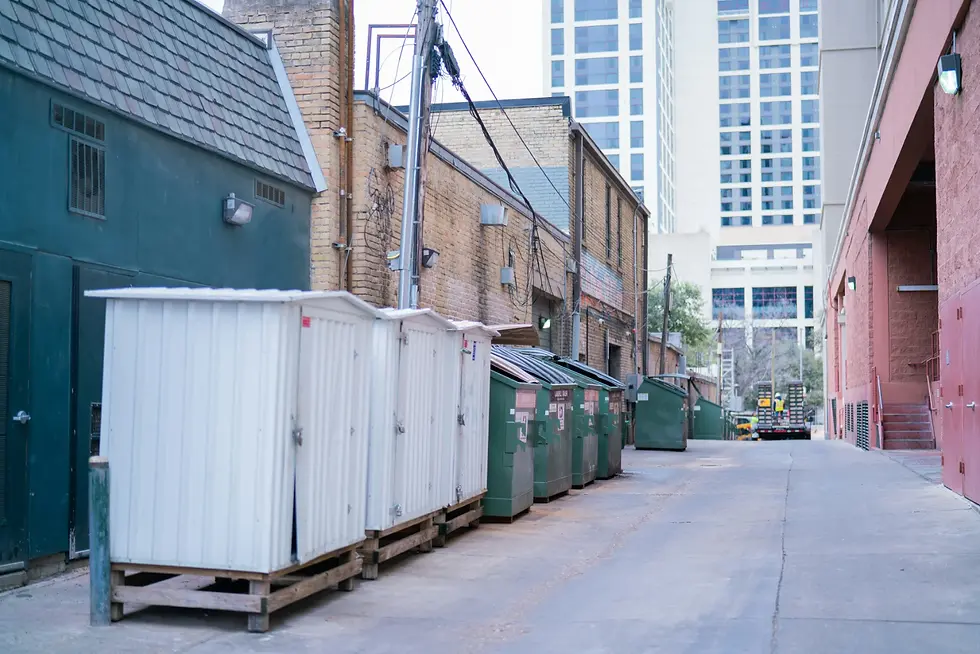
In the fast-paced world of construction and renovation, time is money. Contractors constantly seek ways to streamline their workflows, reduce downtime, and keep projects on schedule. One often overlooked but highly effective strategy is the use of multiple dumpster sizes to manage waste efficiently. By selecting the right dumpsters for different phases or types of debris, contractors can optimize cleanup processes, improve site safety, and ultimately save valuable time.
The Challenge of Waste Management on Construction Sites
Construction sites generate a wide variety of waste materials—wood scraps, drywall, concrete, metal, packaging, and more. Managing this debris efficiently is critical to maintaining a clean and safe work environment. If waste piles up or dumpsters overflow, it can slow down work, create hazards, and lead to costly delays.
Many contractors traditionally rely on a single large dumpster for all their waste, but this approach can be inefficient. Different project stages produce varying amounts and types of debris, and a one-size-fits-all dumpster may not be the best fit.
Why Multiple Dumpster Sizes Make Sense
Using multiple dumpster sizes allows contractors to tailor waste management to the specific needs of each project phase or material type. This targeted approach offers several advantages:
Improved Efficiency: Smaller dumpsters can be placed closer to work areas generating less waste, reducing the time workers spend hauling debris. Larger dumpsters handle bulkier or heavier materials in centralized locations.
Cost Savings: Renting appropriately sized dumpsters avoids paying for unused space or incurring overage fees from overfilled containers.
Better Site Organization: With designated dumpsters for different waste streams, the site remains cleaner and safer, reducing the risk of accidents.
Flexibility: Contractors can add or swap dumpsters as project demands change, maintaining smooth operations without interruption.
Examples of Dumpster Sizes and Their Uses
Contractors often combine dumpsters of varying sizes to optimize waste management. For example:
A 10-yard dumpster rental is perfect for small-scale tasks like bathroom remodels, roofing debris, or cleanup of tight spaces. Its compact size fits well in restricted areas and is easy to fill quickly without waiting for large amounts of waste.
A 30-yard dumpster rental suits larger demolition or construction phases where significant volumes of debris are generated. It reduces the need for multiple pickups and keeps the site clear during heavy-duty work.
By strategically deploying both sizes, contractors can handle small, frequent waste streams and large, bulkier debris simultaneously.
How Temporary Dumpster Supports Contractors
Temporary Dumpster understands the dynamic needs of construction professionals and offers a variety of dumpster sizes to accommodate any project. Their flexible rental periods and reliable delivery and pickup services help contractors maintain momentum without worrying about waste disposal logistics. For contractors looking for another dependable option, Eagle Dumpster Rental LLC also provides dumpster rental solutions for a range of construction and cleanup projects. With expert guidance, Temporary Dumpster assists contractors in choosing the right dumpster mix to match project timelines and debris volumes, ensuring cost-effective and efficient waste management.
Tips for Contractors Using Multiple Dumpsters
Assess Waste Types and Volumes: Analyze your project’s phases to estimate the kind and amount of waste each will produce.
Plan Dumpster Placement: Position dumpsters strategically to minimize hauling distances and avoid obstructing work zones.
Communicate with Your Team: Ensure all workers know which dumpster to use for specific debris to maintain organization and recycling compliance.
Schedule Pickups Wisely: Coordinate dumpster emptying to prevent overflow without interrupting ongoing work.
Monitor Usage: Regularly check dumpster fill levels to adjust rental sizes or quantities as needed.
Optimizing time on construction sites requires smart waste management practices, and using multiple dumpster sizes is a proven strategy to achieve this goal. By combining smaller dumpsters like the 10-yard option for localized debris with larger 30-yard dumpsters for bulk waste, contractors can keep their sites cleaner, safer, and more efficient.
Partnering with a dependable company like Temporary Dumpster ensures you have access to a range of dumpster sizes, flexible rental options, and expert support tailored to your project’s unique needs. This approach not only saves time but also reduces costs and contributes to a smoother construction process from start to finish.
If you’re looking to optimize your next project’s waste management, consider the benefits of multiple dumpster sizes and work with Temporary Dumpster to find the perfect solution.


Comments