
Common Places Drains Get Blocked in Essex Houses

Learn the common places drains get blocked in Essex houses, from kitchen sinks to outdoor pipes, and how early detection helps prevent costly damage.
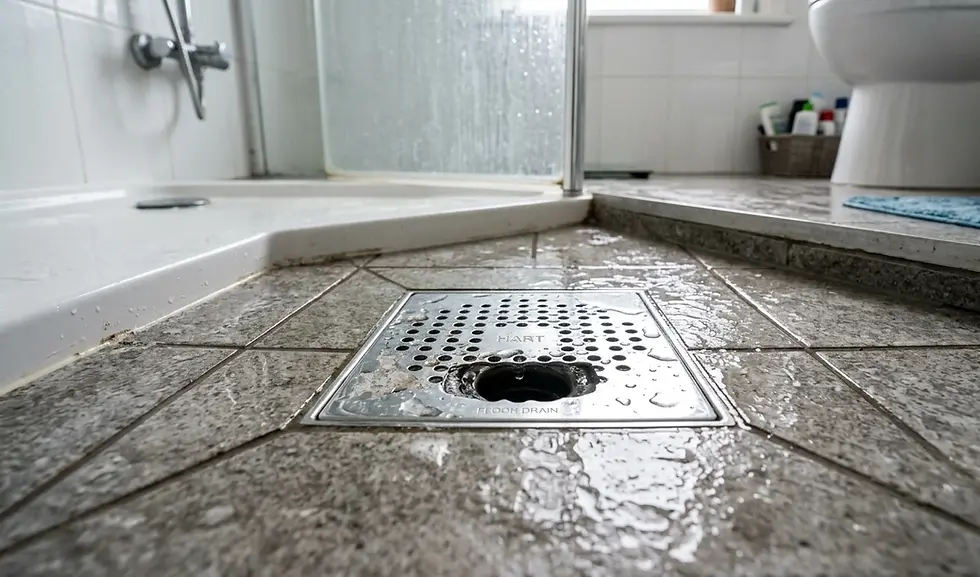
Blocked drains rarely happen “out of nowhere.” Most Essex homes have a handful of predictable pinch points—places where everyday use, local soil conditions, and ageing pipework quietly stack the odds against you. The good news is that once you know where the typical trouble spots are, you can catch problems earlier, reduce repeat blockages, and avoid the kind of overflow that turns a minor nuisance into a messy (and expensive) disruption.
Below are the most common places drains block in Essex houses, what causes it, and what you can do before you reach for the panic button.
The kitchen: where grease and “little bits” become a big problem
Sink waste pipes and the first elbow
In many homes, the kitchen sink is the number-one blockage hotspot. It’s not just cooking fat (though that’s a major culprit). The real issue is the combination of:
grease and oil cooling and sticking to pipe walls
food particles (especially rice, pasta, coffee grounds) lodging in bends
detergent residue binding everything together
That first bend under the sink is often where the “starter clog” forms. Over time, it narrows the pipe until water drains slowly, then not at all.
External kitchen gully (common in older layouts)
A lot of Essex properties—particularly older terraces and some extended semis—have a kitchen waste line that runs out to an external gully before joining the main drain. Gullies collect debris: leaves, silt, congealed fat, even bits of packaging blown in on a windy day. Once the gully pot silts up, it backs up into the kitchen line.
Bathrooms: hair, soap scum, and the slow-build blockage
Shower traps and bath wastes
If you’ve ever pulled out a hair clog, you’ll know how quickly it can get unpleasant. Hair is the framework; soap scum, shampoo residue, and limescale are the “cement.” This is especially common in homes with multiple occupants or long hair in the household.
A classic warning sign is a shower tray that starts holding water for an extra minute, then two. Left long enough, you can end up with standing water and smells that don’t shift, even after cleaning.
Toilet blockages: not always what you think
Toilets can block for obvious reasons, but in Essex (as elsewhere) the biggest modern issue is “unflushables”: wipes, cotton buds, sanitary items, and excessive toilet paper. Even products labelled “flushable” often don’t break down like toilet tissue.
If a toilet is slow to flush and other fixtures are sluggish (like the bath gurgling), that can point to a deeper obstruction in the main line rather than just the pan.
Utility rooms and extensions: the underestimated risk
Washing machine and dishwasher outlets
Appliances discharge water at speed, carrying lint, micro-debris, and detergent build-up. If the waste pipe run is long—common in extensions, converted garages, or utility rooms tucked at the back—there may be multiple bends and a shallow gradient. That combination encourages settling and gradual restriction.
A tell-tale sign here is the standpipe overflowing or the sink in the same room backing up when the machine drains.
The “middle” of the system: where small issues become house-wide headaches
The main manhole and shared drain runs
Many Essex streets, particularly where properties are close together, have shared drain runs before they connect to the public sewer. That means a blockage might not be entirely “yours,” but it can still affect you first depending on levels and flow direction.
If you’ve checked obvious indoor traps and still get repeated backups—especially after heavy water use—inspecting the manhole (safely) can reveal whether the blockage is downstream.
At this point, households often start looking for emergency drain clearing services in Essex—not as a first step, but when there’s clear evidence the problem has moved beyond a simple trap clean and into the main drainage line.
Outside drains: Essex-specific factors that make blockages more likely
Garden gullies, patio drains, and silt build-up
Essex weather patterns can be unforgiving on surface water drainage—periods of heavy rain followed by dry spells that bake silt hard. Patio drains and channel drains collect:
wind-blown soil and sand
moss and algae growth
leaf litter, especially near hedges and mature shrubs
Once a channel drain silts, water has nowhere to go and you get pooling against the house—sometimes mistaken for a “leaking” wall when it’s really poor surface water flow.
Tree roots in clay pipes (a classic in older properties)
Many Essex homes still have older clay pipe sections somewhere in the system. Clay pipes are prone to slight movement over time, and tiny gaps at joints are an open invitation to root ingress. Roots seek moisture, then thicken, catching debris until the pipe is effectively netted shut.
If your home is near mature trees—common in parts of Chelmsford, Brentwood, Colchester, and village roads with established greenery—roots should be on your suspect list when blockages keep coming back.
Soakaways and surface water systems
Not every blockage is “sewage.” Some properties rely on soakaways for rainwater. Over years, soakaways can clog with fine silt, or become overwhelmed after landscaping changes (new patios, extra roof area, blocked gutters feeding debris into the system). Symptoms often show up as:
overflowing gullies during rain
waterlogged areas of lawn
patio puddles that don’t drain even in dry weather
How to spot the location of a blockage (before it turns into a flood)
You can often narrow it down by matching the symptom to the likely pinch point. Here are a few practical clues (without overcomplicating things):
Only one fixture is slow (e.g., just the bathroom sink): likely a local trap or waste pipe.
Multiple fixtures are slow (especially on the ground floor): more likely a main drain restriction.
Bad smells from one plughole: local build-up; check the trap and overflow.
Gurgling sounds when another fixture runs: partial blockage causing air displacement.
Outside gully overflowing: downstream obstruction or a gully full of silt/debris.
(That’s the only checklist you really need—anything more becomes guesswork without inspection.)
Prevention that actually works (and doesn’t rely on gimmicks)
A few habits make a measurable difference, particularly in busy households:
In the kitchen
Let fats cool and dispose of them in the bin, not the sink. Use a sink strainer and empty it daily. If you do one thing weekly, flush the sink with hot (not boiling) water and a small amount of washing-up liquid to help move grease along before it accumulates.
In the bathroom
Fit hair catchers in showers and clean them often. Avoid tipping thick products (like clay masks) down the plughole. If limescale is an issue, regular descaling reduces the “rough surface” that soap scum sticks to.
Outside
Clear leaves from gullies and channel drains, particularly in autumn and after storms. Check guttering and downpipes—blocked gutters often end up as blocked surface water drains.
When it’s time to stop DIY and get it properly assessed
If you’re seeing repeat blockages, sewage smells outdoors, manhole surcharging, or backups affecting multiple rooms, the issue is rarely solved by another round of plunging. That’s when inspection (often CCTV) and proper clearing is the sensible next step—because the real problem might be roots, a collapsed section, or a long-standing restriction that keeps catching debris.
Knowing the common blockage points in Essex houses won’t just save you time; it helps you act early, choose the right fix, and avoid turning a slow drain into a full-blown emergency.


Comments