
How to Work with Punch Needle Kits Without Damaging Materials

Learn how to use punch needle kits without damaging materials, with tips on fabric handling, needle techniques, and proper tension for better crafting results.
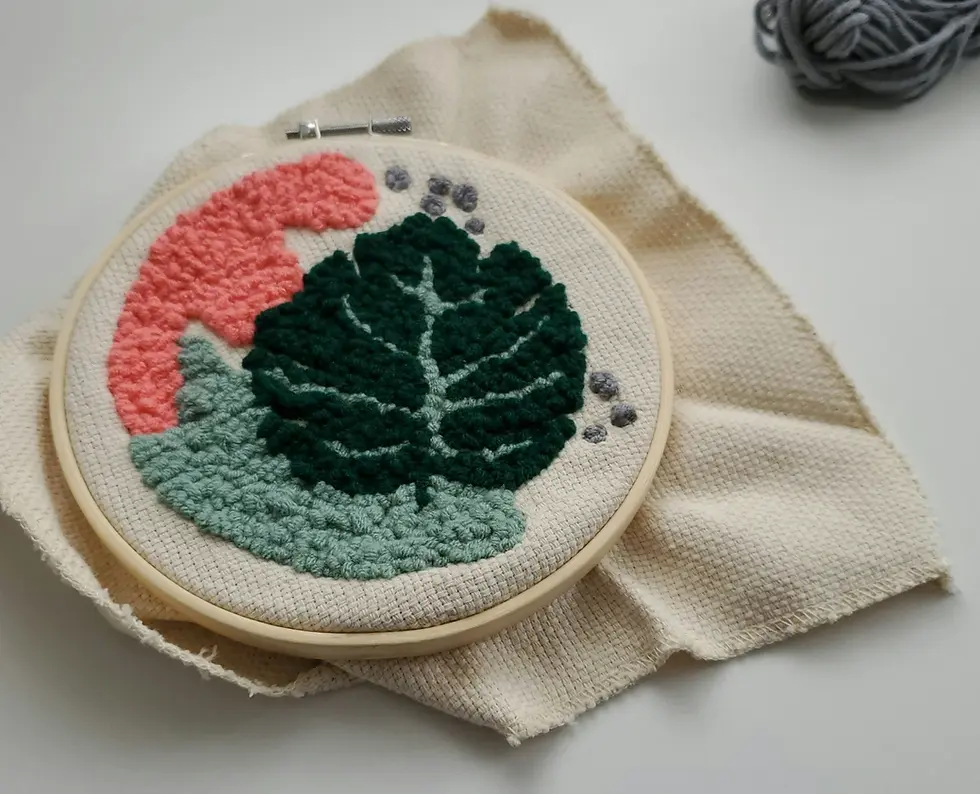
Punch needle is one of those crafts that looks deceptively simple until you pull your fabric loose, snag a thread, or end up with uneven loops that refuse to hold. The good news is that most of these problems come down to technique, not talent. Whether you're just getting started or you've already made a few frustrating attempts, this guide walks you through everything you need to know to work with punch needle kits cleanly and confidently, from choosing the right materials to understanding why fabric damage happens in the first place.
Understanding Your Kit: Needle, Fabric, and Yarn Compatibility
Before you punch a single loop, you need to understand what's actually in your kit and how the components work together. Punch needle kits for beginners typically include a punch needle tool, a length of monk's cloth or weavers cloth, and yarn or embroidery thread. Each of these elements must be compatible, and that compatibility matters more than most beginners expect.
Matching Needle Size to Thread Weight
Every punch needle has a gauge, and that gauge determines the thickness of thread or yarn it can carry. A fine needle sized for embroidery thread will jam and fray if you try to force bulky yarn through it. On the other hand, a large-gauge needle used with thin thread produces loops that are too loose to stay anchored. Check your kit's specifications and use only the thread weight recommended for that needle size. If your kit didn't come with clear guidance, test on a scrap of fabric first.
Choosing the Right Fabric for Your Needle
The fabric you use must have an open, even weave so the needle can pass through without tearing the fibres. Monk's cloth and weavers cloth are the go-to options because their structure allows the needle to glide in and hold loops securely. Avoid tightly woven fabrics like canvas or cotton quilting fabric. These force the needle to push fibres aside rather than pass through gaps, which leads to distortion and, eventually, tears. Your kit may already include the correct fabric, but it's worth checking before you cut.
Why Yarn and Fabric Weight Must Balance
Think of it this way: the fabric's weave has to be open enough to accept the yarn's bulk without strain. Heavy yarn on a loosely woven, lightweight cloth will stretch the weave and leave permanent gaps. Fine thread on a stiff, dense cloth will buckle the surface. The right pairing creates a stable, even result. Most kits are designed with this balance in mind, so trust the materials provided and resist the urge to substitute without checking compatibility first.
How to Set Up and Tension Your Fabric Correctly
Correct fabric tension is one of the most overlooked factors in punch needle work. Too loose, and your loops won't form properly. Too tight, and you risk distorting the weave or tearing the cloth as you punch.
Choosing and Securing the Right Hoop
A good hoop holds your fabric drum-tight without crushing the fibres. Wooden or plastic embroidery hoops with a tightening screw work well, but they need to be the right diameter for your project. The fabric should extend at least two inches beyond the hoop on all sides so there's enough material to grip. Tighten the screw firmly, then run your fingers across the surface. The fabric should feel taut and even, like the skin of a drum. If it sags in the centre or pulls unevenly at the edges, re-seat it and tighten again before you start.
Threading Your Punch Needle Without Causing Snags or Tears
Threading a punch needle incorrectly is one of the fastest ways to damage both the tool and your fabric. Most kits include a threading wire or loop tool, and using it correctly makes a noticeable difference.
Thread from the Handle End First
Start by passing your thread through the hollow handle of the needle before you thread the eye at the tip. This order matters because it prevents the thread from twisting under tension as you work. Once the thread runs through the handle, use the threading wire to pull it through the needle's eye. The thread should sit smoothly without any kinks or loops.
Leaving the Right Amount of Tail
Leave a tail of at least two to three centimetres at the needle tip before you begin. This tail gets pushed through to the back of the fabric on your first punch and holds the thread in place as you build your first few loops. If the tail is too short, the thread pulls free immediately. If it's too long, it can catch in subsequent loops, creating a snag that distorts the surrounding fabric.
Checking Thread Flow Before You Start
Before committing to your main fabric, punch a few test loops into a scrap piece. The thread should pull through smoothly with a consistent resistance. If it catches, stutters, or requires force, re-check that the eye is fully threaded and the thread isn't twisted inside the handle. Forcing a poorly threaded needle into your fabric is a quick way to create a snag that won't disappear once you've finished the piece.
Proper Punching Technique to Protect Your Material
Your technique directly determines the condition of your fabric at the end of a project. Good form protects the material and produces cleaner, more even loops.
Keep the Needle Perpendicular to the Fabric
Always hold your punch needle at a 90-degree angle to the fabric surface. Any tilt introduces sideways pressure on the weave, which widens individual holes over time and weakens the surrounding threads. A straight, vertical motion is the foundation of good punch needle work.
Control Your Punch Depth Consistently
Most punch needle tools have an adjustable depth gauge. Set it before you start and resist the urge to push deeper on some punches than others. Inconsistent depth produces loops of varying heights, which not only look uneven but also cause some loops to pull free more easily. Steady, controlled punches at a consistent depth protect the fabric and give you a professional result.
Move in the Right Direction
Always move the needle in the direction the open side of the tip faces. Moving against that direction drags the thread sideways through the fabric instead of releasing it cleanly, which can tear the weave or pull out previously placed loops. Work in straight rows or smooth curves, and lift the needle just to the surface of the fabric between punches. Do not pull it high into the air, as this stretches the loops and may distort the fabric.
Common Mistakes That Damage Fabric and How to Avoid Them
Even with the right materials and a solid technique, there are a handful of habits that consistently cause fabric damage. Recognising them early saves a lot of frustration.
Pulling the Needle Too Far From the Surface
One of the most frequent errors is lifting the needle too high between punches. Each time you lift the needle well above the fabric, you pull the loop on the back tighter and risk dragging it clean through the weave. Keep the needle tip just grazing the surface as you reposition. That small adjustment has a large impact on the overall integrity of the fabric.
Reworking the Same Area Repeatedly
If you don't like a section, it's tempting to pull the loops out and re-punch immediately. But, doing this more than once in the same spot stresses the weave fibres and leaves holes that won't close properly. Instead, pull out the loops carefully, allow the fabric to relax for a moment, and then re-punch with a lighter touch. If the fabric looks distorted, consider whether it's worth reworking at all.
Skipping the Test Patch
A test patch on a scrap of the same fabric takes less than two minutes and tells you everything about how your needle, thread, and fabric interact before you commit. Many beginners skip this step and discover problems only after they've punched half their design. Use a test patch every time you change thread weight, needle size, or fabric type. It's the simplest habit that prevents the most damage.
Conclusion
Working with punch needle kits doesn't have to come with a trail of torn fabric or uneven loops. The key is in the preparation: use compatible materials, set up your hoop with care, thread correctly, and follow a consistent technique. Treat each session as a small investment in your skills, and the fabric will stay in good condition throughout. Take your time, trust the process, and the results will follow.


Comments