
How to Choose the Best Installation Type for Your Pool: Cost, Space, and Design Considerations

Learn how to choose the best pool installation type by comparing cost, available space, maintenance, materials, design options, and long-term value.

Choosing a pool isn't only about size or shape - the installation type you pick shapes your budget, your timeline, and how the finished pool actually fits into your yard. Above-ground, semi-inground, and fully recessed builds each come with their own costs, site requirements, and design limits, so knowing the differences before you sign a contract can save you both money and frustration later on.
Why Pool Installation Type Matters
The way a pool sits on your property affects far more than looks. Excavation needs, drainage, permitting, and even how long the project takes all depend on whether the pool sits on top of the ground, partway into it, or fully below grade. A steeply sloped yard, a small city lot, or strict HOA rules can rule out certain options before you even get to the fun part - picking tile colors or deck materials. Getting this decision right early keeps the rest of the project moving smoothly and prevents costly changes mid-build.
Above-Ground Pool Installation
This is the fastest and most budget-friendly route for most homeowners. There's little to no excavation involved, which means lower labor costs and a much shorter timeline - smaller above-ground projects can be finished in just a few days. Modern above-ground pools have also moved well past the old vinyl-and-frame look; galvanized steel wall systems with a proper liner, filtration, and pump setup can look just as polished as an in-ground build while costing a fraction of the price. This makes above-ground installation a strong choice if you're working with a tight budget, a rental property, or a yard where digging isn't practical.
If you like the durability and clean look of steel but want something built specifically for your space, metal above-ground pools from StainlessSwim are worth a look. The company handles the entire project from start to finish, so you're not left coordinating multiple contractors. And if above-ground isn't quite what you had in mind, StainlessSwim also builds semi-inground and fully recessed tank pools to suit your layout.
Semi-Inground Pool Installation
Semi-inground pools split the difference between the two extremes. Part of the shell sits below grade and part stays above it, which works particularly well on sloped lots where a fully recessed pool would require extensive grading. This option also gives you more design flexibility than a purely above-ground unit - you can build a deck flush with the pool's edge, add steps, or blend it into a hillside - while still keeping excavation and cost lower than a full in-ground build.
Fully Recessed Pool Installation
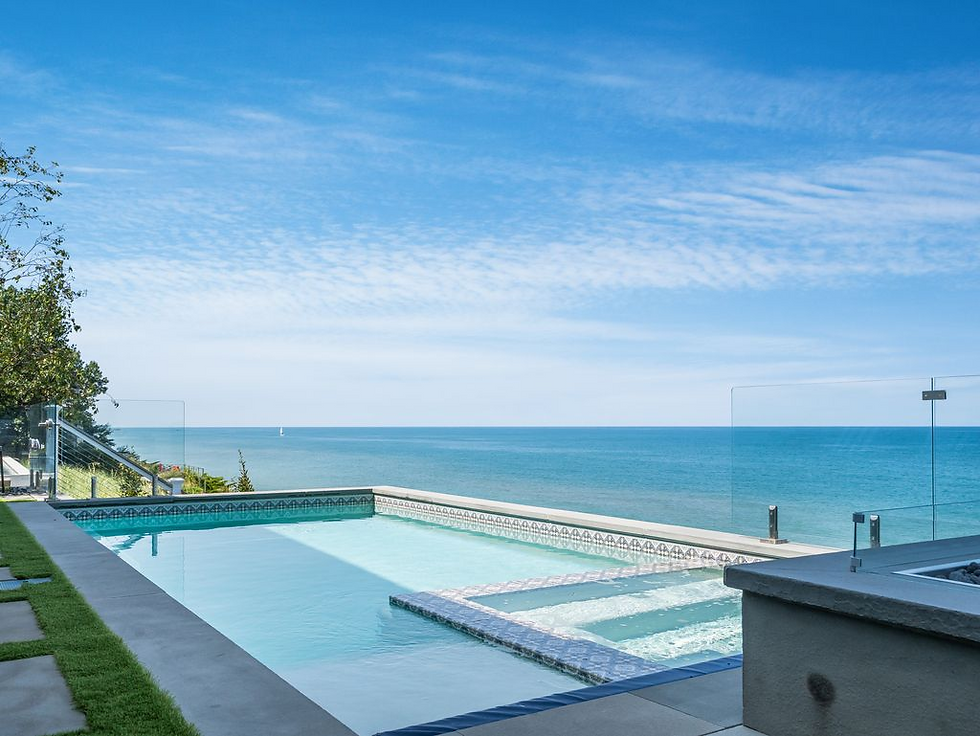
A fully recessed pool sits entirely below ground level, giving you the classic backyard-pool look with a seamless connection to patios, decks, and landscaping. It's the most expensive option because it requires the most excavation, more extensive plumbing runs, and typically more permitting steps. In exchange, you get the widest range of design freedom - custom shapes, built-in seating, and integrated lighting are all easier to achieve - along with the strongest impact on resale value if that's part of your long-term plan.

Compare Installation Costs and Site Preparation
Cost differences between these three options usually track directly with how much digging is involved. Above-ground installations need little more than a level pad, which keeps site prep and labor costs low - most homeowners land somewhere between $1,500 and $6,000 depending on size, wall material, and equipment package. Semi-inground projects require partial excavation and some grading work, putting the price somewhere in the middle, typically $12,000 to $25,000 once plumbing and a partial deck are factored in. Fully recessed pools demand full excavation, hauling away soil, and often retaining walls or drainage solutions, all of which add up quickly - a standard in-ground build commonly runs $35,000 to $70,000, and can climb higher with custom shapes, deep-end configurations, or elaborate decking. Beyond the hole itself, plumbing runs, electrical work, and decking will scale with the size and depth of the project, so it's worth getting a detailed quote rather than comparing installation types by sticker price alone.
Consider Your Backyard Size and Available Space
Available space narrows the decision fast. Long, narrow yards or smaller lots often suit compact above-ground or semi-inground designs better than a large recessed pool, especially when equipment access for excavators is limited. Tank-style pools, for instance, are commonly available in sizes ranging from roughly 9 to 21 feet, which makes it easier to fit a real pool into a space that wouldn't accommodate a traditional dig-out build. It's also worth measuring gate widths and side-yard clearances early on, since a pool shell or delivery equipment that can't physically reach the backyard will force a redesign regardless of how well it suits the space on paper. Take stock of fence lines, utility access, tree roots, and slope before settling on a design - these details often matter more than the pool's appearance once installation actually begins.
Final Thoughts: Balance Cost, Space, and Design
There's no single "best" installation type - the right choice depends on your budget, how much space you're working with, and how permanent you want the pool to feel. Above-ground options get you swimming fastest and cheapest, semi-inground offers a middle ground for tricky lots, and fully recessed builds deliver the most polished, permanent result if you have the budget and space to support it.
Whichever direction fits your yard, it helps to work with a team that can adapt the build to your site rather than pushing a single format. StainlessSwim offers custom tank pools with full project management, handling everything from excavation and plumbing to custom decking, so you get a pool designed around your backyard instead of the other way around.


Comments