
How Property Managers Keep Retirement Homes Running Smoothly

Learn how property managers keep retirement homes running smoothly by overseeing maintenance, safety, services, and daily operations for residents.

Families seeking later-life housing are usually interested in location and layout, but the day-to-day experience is equally shaped by efficient management. As a result, retirement property managers are at the centre of ensuring these communities remain safe, functional, and friendly. They do not just perform the bare minimum of maintenance; they also influence how residents navigate the building, reach common areas, and feel supported in the environment. Retirement homes run smoothly rather than in chaos when management is properly in place.
Keeping Buildings Safe
A retirement property should be functional at all times. Close attention should be paid to heating systems, lifts, lighting, plumbing, and access points. Property managers organise regular inspections to detect problems before they escalate. This preventive measure will minimise abrupt failures that may inconvenience or upset residents. By responding to wear early, managers help ensure the reliability of essential services throughout the year.
Regular inspections also facilitate structural safety. The environments in retirement properties may be hazardous due to loose handrails, uneven floors, or malfunctioning door mechanisms. Property managers organise timely repairs to ensure that circulation areas are safe and accessible. Their supervision ensures residents' safety and helps maintain the structure's long-term integrity.
Supporting Accessibility
The key to retirement living is accessibility. The property managers monitor resident movement in common corridors, entrances, gardens, and shared rooms. Well-lit routes, clear paths, and well-maintained ramps or lifts can help residents remain independent longer.
Minor changes can be significant. The use of door closers, seating points and non-slip surfaces can help in safer movement. Managers also manage accessibility features to ensure they are functional and adaptable to residents' needs, so residents feel comfortable with their daily activities.
Managing Repairs Carefully
Repairs are unavoidable, but how they are managed is critical. Maintenance work should be scheduled to reduce noise, limit access restrictions, and avoid confusion for tenants. Effective communication helps residents understand what is expected and when.
Contractors are scheduled at the appropriate times, and work areas are cordoned off as required. Such considerate coordination helps avoid unnecessary stress and maintains the property in good condition. Repairs should be performed efficiently to minimise inconvenience to residents.
Maintaining Shared Spaces
The retirement living experience is largely influenced by shared space. Lounges, dining areas, gardens, and corridors must be kept in good condition at all times to remain welcoming and functional. Property managers oversee cleaning, maintenance, and small-scale improvements in these areas.
Properly kept community areas promote socialisation and minimise loneliness. The seats are comfortable, the light is sufficient, and the outdoor space is available. The information can support residents' emotional health and physical security, helping them feel part of the community rather than isolated.
Overseeing Safety Planning
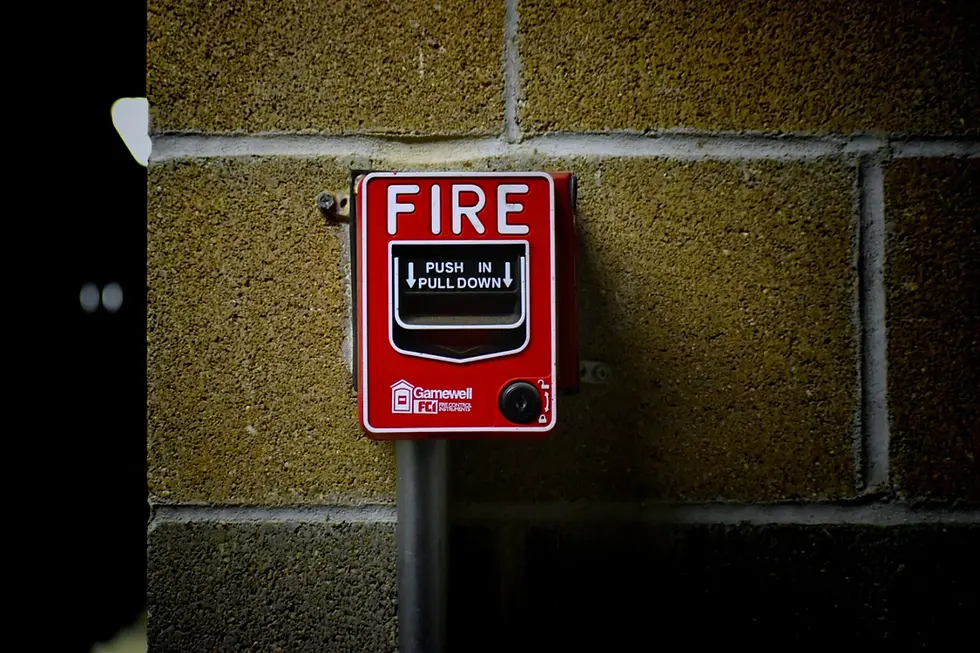
In any retirement setting, safety planning is a concern. Property managers ensure that fire systems, fire alarms, and emergency lighting are functioning properly. Frequent drills, checks, and reports facilitate preparedness.
Emergency operations should be realistic and clear. Plans are reviewed regularly by managers to capture building changes or resident needs. Such a cautious approach reassures both residents and their families, as risks are managed responsibly.
Handling Budgets
Fiscal management supports efficient operations. Property managers' budgets are balanced between short-term maintenance and long-term needs. The replacement of roofs and exterior systems, and system upgrades, need to be planned, not done in a hurry.
Cost forecasting and reserve management are among the ways managers can ensure retirement homes remain financially stable. This will prevent abrupt service cuts or surprise billing that could affect residents. The continuity and preservation of property value are supported by sensible planning.
Being a Key Contact
Effective communication generates trust. Property managers also serve as a point of contact for residents who need assistance or have building-related issues. Quick answers and explanations help to eliminate frustration and confusion.
Transparency is also appreciated in families. News about maintenance, safety enhancements, or community changes helps relatives feel informed and reassured. Effective communication strengthens the bond among residents, families, and management teams.
Coordinating On-Site Teams
Daily comfort is provided by cleaners, caretakers, maintenance teams, and security staff. Property managers coordinate these roles and ensure duties are clear and standards are uniform. Well-supported staff are more reliable in their work. Consistent staffing helps build familiarity with staff, creating a sense of trust and security. Managers provide structure that enables teams to work effectively, without confusion.
Adapting to Resident Needs
Retirement communities change with time. Resident mobility, health considerations, and social preferences evolve slowly. The property managers monitor these changes and suggest changes where necessary. Minor modifications, such as seating arrangements, lighting improvements, or accessibility adjustments, can increase autonomy. Managers who stay up to date on properties and their residents enable proactive adjustments rather than reactive ones.
Why Good Management Matters
Well-run retirement homes are founded on organisation, vision, and empathy. Retirement property managers integrate these qualities by maintaining buildings, providing accessibility services, managing safety, and coordinating services. Their work allows residents to focus on a comfortable life rather than unnecessary problems.
When management is stable and attentive, retirement properties remain quiet and secure. The residents have better environments, routine activities, and improved security. In this way, property managers help make later life a little better day by day.


Comments