
How Proper Plumbing Infrastructure Elevates Your Home Bar Experience

Discover how proper plumbing infrastructure elevates your home bar experience with reliable water access, efficient drainage, and lasting convenience.
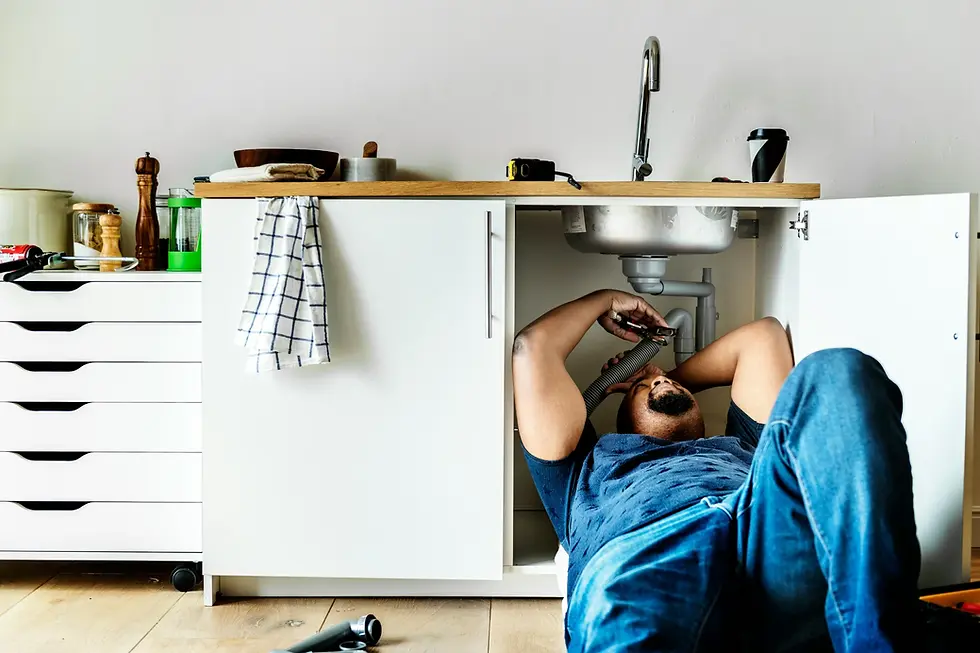
The global boom in residential cocktail culture has completely transformed how we entertain at home. Recent interior design shifts highlight homeowners favouring permanent, built-in wet bars located within open-plan kitchens or lounge areas, rather than relying on isolated basement setups. While beautifully crafted cabinetry, bespoke shelving, and high-end aesthetics undoubtedly set the mood, a truly functional home bar relies heavily on what happens behind the walls. A wet bar is technically differentiated from a standard dry bar by its strict plumbing requirements. Having a professionally plumbed sink for rinsing glasses, preparing fresh garnishes, and safely managing ice drainage allows hosts to stay engaged in the action without ever needing to leave the entertaining space to visit the main kitchen.
Designing with Functionality in Mind
When planning a new entertaining area, it is incredibly easy to get caught up in selecting the perfect statement lighting, luxurious countertops, or artisan tiles. However, before you finalise the layout from your favourite 16 basement bar ideas for stylish home entertaining, you absolutely must account for the underlying plumbing infrastructure that makes the space functional. A beautifully designed wet bar is ultimately useless without a reliable sink, proper drainage solutions, and an adequate hot and cold water supply. Integrating these essential elements early in the design phase prevents costly retrofitting or messy renovations later on. It also ensures that under-counter dishwashers, commercial-grade ice makers, and preparation sinks are perfectly positioned for optimal workflow and entertaining ease.
The Importance of Reliable Temperature Control
A critical but often overlooked component of any high-functioning home bar setup is the water heater. In Australia, standard electric and gas storage systems typically have a lifespan of eight to twelve years before requiring a complete replacement. Over time, internal components like the sacrificial anode rod degrade naturally, which can lead to rusty water or sudden system failure during a party. Scheduling routine hot water repairs can significantly extend the life of your unit and guarantee that you always have adequate temperature control when guests arrive. A common plumbing guideline dictates that if fixing an older unit costs more than half the price of a brand new one, replacing the entire system might actually be the most cost-effective choice for long-term peace of mind.
Attaining Hospitality Hygiene Standards
The hospitality industry strives for a standard known as "beer clean", meaning a glass is entirely free of residual fats, oils, or detergents that would disrupt a beverage's carbonation or foam head. Sharing your home bar's glass washer with everyday kitchen items like greasy plates or dairy-coated coffee mugs will transfer fatty residues onto your barware. This chemically flattens the foam on poured beers and degrades the drinking experience.
To achieve this flawless standard at home, properly heated water is non-negotiable. According to the official food safety toolkit from WA Health, proper sanitisation requires washing items with hot water and detergent to remove grease, and using a dishwasher on its longest, hottest cycle to effectively kill microorganisms. Dedicated glass washers running between 55 to 60 degrees Celsius are often recommended to fully dissolve stubborn greases and lipstick residues.
Water Efficiency and Smart Fixture Upgrades
Building a wet bar also presents an excellent opportunity to upgrade your home's water efficiency. Australia's mandatory Water Efficiency Labelling and Standards (WELS) scheme requires all plumbing fixtures to display a star rating indicating their tested water consumption. This scheme is highly impactful, estimated to have saved Australians over 2,060 gigalitres of water and billions in utility bills. When selecting fixtures for your new entertaining space, keep the following efficiency tips in mind:
Upgrade to aerated tapware: A standard inefficient tap can discharge up to 18 litres of water per minute, whereas a highly WELS-rated low-flow model can reduce the flow to as little as 2 litres per minute.
Install dedicated appliances: Using a compact, energy-efficient glass washer specifically designed for barware uses less water than running a half-empty kitchen dishwasher.
Check for hidden leaks: Regularly inspect the plumbing connections under your bar sink. Even a minor drip can waste thousands of litres over a year and cause hidden water damage to custom cabinetry.
Insulate pipework: Lagging your hot water pipes helps maintain temperature as water travels from the main heater to the bar, reducing the time you spend running the tap while waiting for it to heat up.
Elevating your home bar experience goes far beyond selecting the right spirits and glassware. By treating plumbing as the essential foundation of your entertaining space, you ensure a setup that is as practical as it is stylish. From impeccable hygiene to improved water efficiency, the right infrastructure allows you to serve up perfection every single time.

Comments