
Common Electric Fence Myths That Still Fool Landowners

Discover common electric fence myths that still fool landowners and learn the facts about safety, effectiveness, installation, maintenance, and performance.
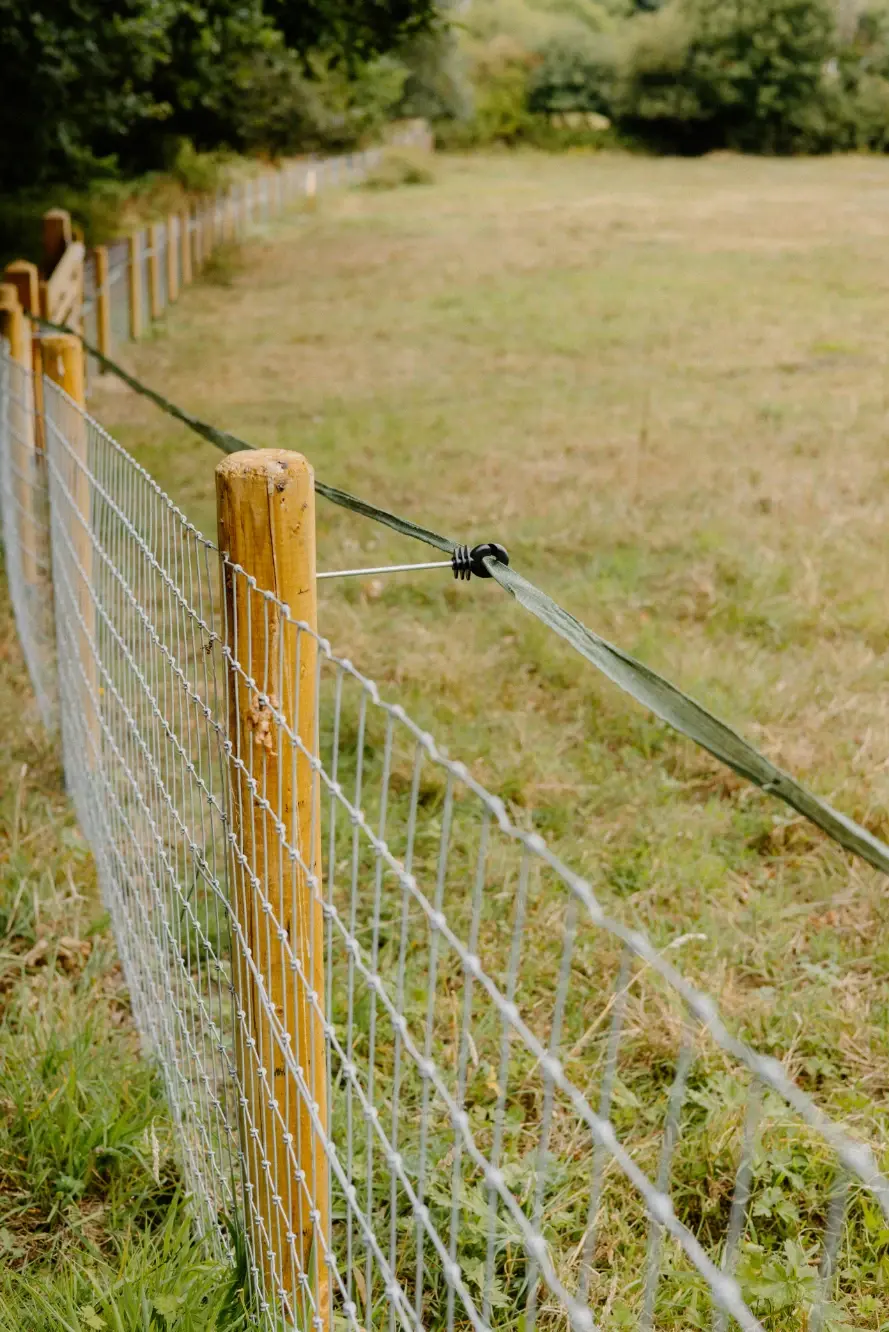
Electric fencing can save labor, support planned grazing, and keep livestock away from crops. Still, several persistent claims lead landowners toward poor equipment choices and weak installation practices. Some expect a fence to work without inspection. Others judge performance by visible size rather than pulse strength, grounding, animal behavior, or terrain. Correct information helps farms reduce escapes, protect livestock, and avoid replacing equipment that was never at fault.
Why Myths Persist
Many misunderstandings begin with one failed installation. A weak energizer, damaged connector, inadequate ground, or overgrown line may perform poorly, yet the entire method receives the blame. A polywire electric fence can serve temporary paddocks, strip grazing, and controlled livestock movement. Its performance depends on conductor quality, post spacing, grounding, fence length, and routine inspection. Those details matter more than assumptions formed after a single disappointing result.
Myth: Electric Fences Are Dangerous
A correctly installed fence releases a brief, high-voltage pulse rather than a continuous flow of electricity. Contact feels sharp and unpleasant, but the duration remains limited. Hazards increase when damaged components, exposed wiring, or unsafe gates go unchecked. Farm operators should use insulated handles, visible warning signs, and secure access points. Children, visitors, and workers require clear instructions before entering enclosed areas.
Myth: More Voltage Always Means Better Results
High voltage cannot repair a broken conductor, poor ground, or heavy plant contact. An energizer should match fence length, animal type, and expected resistance. Testing belongs at the farthest point, not only beside the power source. Adequate voltage reaching the complete perimeter is more important than maximum energizer output weakened by faults. Reliable containment comes from balanced equipment and regular maintenance.
Myth: One Ground Rod Is Always Enough
Grounding requirements change with soil moisture, texture, fence length, and energizer output. Poor grounding can reduce fence performance. Dry sand, gravel, and rocky earth may require several connected rods placed at measured intervals. Rods should reach moist soil, while clamps and return wires must remain free from rust. If the return path is weak, shock intensity falls. Testing the ground separately can identify this problem before an energizer is replaced.
Myth: Electric Fences Stop Every Animal Immediately
Livestock respond according to coat thickness, age, temperament, training, and prior exposure. A mature cow may retreat after one contact, while a persistent goat may test the line several times. Young animals benefit from supervised instruction inside a secure area. Wildlife presents another challenge. Deer may jump over strands, while smaller creatures can pass beneath them. Height and spacing must suit the species being contained.
Myth: Polywire Works Without Physical Support
A conductive thread carries the pulse, but posts determine height, tension, and spacing. Long runs sag when supports are too far apart, especially during rain or strong wind. Step-in posts work well for temporary sections. Corners, gateways, and uneven ground need firmer supports. The wire provides the electrical warning. A visible, stable boundary encourages animals to stop before contact.
Myth: Any Wire Can Be Used With Any Energizer
Fence materials vary in resistance, conductivity, length, and construction. Thin utility wire may lose effectiveness across a long perimeter. Polywire also differs by conductor count and metal quality, so appearance alone reveals little. Components should match the energizer rating and intended distance. Random combinations can create weak connections that remain unnoticed until livestock test the enclosure.
Myth: Grass Touching the Line Does Not Matter
Vegetation drains electrical energy from a fence, particularly after rain or during rapid growth. A few blades may seem harmless, yet contact across many sections creates substantial loss. Weeds beneath lower strands should be cut back, and branches near upper conductors require removal. A fence tester shows whether the pulse reaches the endpoint. Sight alone cannot confirm electrical performance.
Myth: A Fence Tester Is Optional
A fence may appear intact while carrying too little energy to influence livestock. Broken strands, loose connectors, weak grounds, and hidden vegetation can reduce output without obvious signs. Testing at the energizer, midpoint, and endpoint helps locate the loss. This inexpensive tool replaces guesswork with measurable information. Faster fault detection reduces the risk of escapes and prevents unnecessary equipment purchases.
Better Decisions Start With Facts
Electric fencing works as a coordinated arrangement of equipment, terrain, and animal management. Before installation, landowners should assess species, distance, soil, grounding, conductor quality, post spacing, and maintenance requirements. Measured decisions reduce escapes and extend equipment life. The objective is not maximum voltage or permanent construction. It is a dependable boundary that performs safely across changing farm conditions.
Conclusion
Electric fence myths continue because one poor installation can shape future decisions. Reliable containment depends on suitable materials, adequate grounding, correct spacing, clean conductors, and regular testing. Landowners who account for animal behavior and site conditions usually face fewer escapes and service interruptions. The best fence is not automatically the strongest or most expensive. It is the one that delivers a consistent warning, remains visible, and fits the farm’s daily management routine.


Comments