
Average Cost for Emergency Tree Removal Services in Milford, CT, after a Storm

Learn the average cost of emergency tree removal in Milford, CT after a storm, plus key factors that influence pricing and what homeowners should expect.
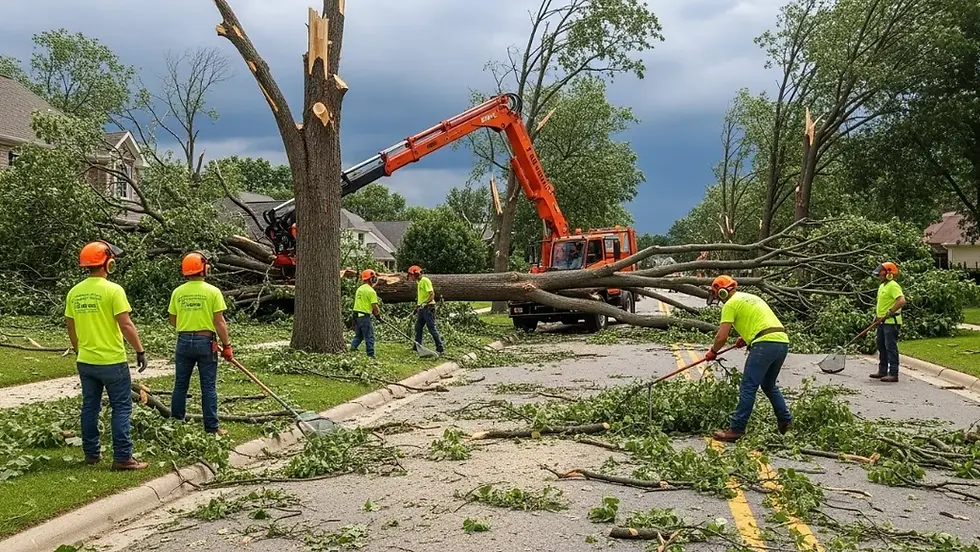
When a strong nor’easter or severe summer thunderstorm rolls through Milford, the resulting damage can be startling. Fallen or precarious trees don't just look bad; they represent an immediate safety hazard and a threat to your home's structural integrity. Dealing with this crisis requires swift, professional action, and understanding the unexpected financial implications is the first step toward regaining control.
It’s often a scramble to secure a qualified crew, and in that moment of urgency, you need clear data on what you should reasonably expect to pay. This isn't a typical landscaping expense; it's a specialized, high-risk operation, and that's reflected in the price.
What Factors Determine Emergency Tree Removal Cost?
Factors that determine emergency tree removal cost in Milford, CT, after severe storms, include size, location, accessibility, storm hazards, crew availability, specialized equipment, utility proximity, and insurance limitations that drive urgent, high‑risk operations and premium pricing.
Tree Size and Location
The larger and more complex the tree, the higher the removal cost. A small pine in an open yard may cost $1,500, while an 80‑foot oak across a roofline can exceed $4,000 due to cranes and rigging.
Accessibility and Structures
Easy access reduces costs, but tight spaces between garages, fences, or older Milford homes require rope rigging and manual labor. Limited equipment access increases time, complexity, and overall expense for emergency tree removal crews.
Storm Conditions and Crew Demand
Regional storms spike demand for arborists across Fairfield and New Haven counties. Crews face unstable hazards like “widowmakers,” requiring specialized safety protocols. Premium labor rates and storm hazard fees significantly raise emergency removal pricing.
Why Is the "Insurance Will Cover It All" Mentality a Myth?
A very common misconception is that if a tree falls on your house or garage, your homeowner’s insurance will automatically pay for the entire removal and repair cost. This is simply not true. Most standard policies do cover the cost of removing a tree if it has damaged a covered structure.
However, policies usually place a fixed cap on removal, often between $500 and $1,200 per tree, with a total limit for the event. If a massive oak removal costs $4,000, you'll be responsible for the remaining balance after the insurance payout and your deductible are applied. If the tree simply fell in the yard and didn’t hit anything, most policies will not cover the removal cost at all. Always review your policy before a crisis.
How Does Emergency Tree Removal Differ from Standard Service?
The core difference lies in the logistics and staffing required for an immediate response. A standard Milford CT tree removal job is typically scheduled days or weeks in advance during regular business hours, allowing the contractor to use a basic crew and standard equipment for optimal efficiency.
An emergency job, conversely, requires mobilizing an expert crew of arborists, crane operators, and ground support staff at a moment’s notice, a practice called surge capacity, often during adverse weather conditions. The price reflects this instant, specialized service. Think of it like calling an ambulance versus taking a taxi: both get you to a destination, but one provides immediate, life‑safety‑focused service.
What Should Be Included in a Professional Quote?
A professional quote provides transparency, which is paramount in an emergency. A reputable company won't just offer a single number; they’ll itemize the scope of work clearly. Be cautious of any quote that lacks itemized details, especially during significant emergencies in Milford neighborhoods. Critical elements that define the accuracy and reliability of an emergency tree removal estimate:
Debris Hauling and Disposal
This cost covers chipping and hauling away all the wood and smaller debris. Professional services include the use of large wood chippers and dump trucks to remove all material from the site. This avoids leaving large logs or mountains of wood chips that you would otherwise have to pay to remove later, which can quickly turn into a hidden secondary expense.
Stump Grinding and Cleanup
Unless you specifically request otherwise, a quote should clearly state whether the price includes stump grinding, the process of reducing the stump below grade level. If it's not included, expect to pay an additional $250 to $600 for this service later. The initial quote must also specify the extent of site cleanup, ensuring the crew removes sawdust, rakes the area, and leaves the property in a safe, usable condition.

What Actions Can You Take to Minimize Emergency Costs?
Being prepared can significantly reduce the ultimate financial strain of storm damage. You can't prevent the storm, but you can control your readiness and response. Taking immediate steps can help you manage both the removal process and the subsequent insurance claim.
Document Everything Immediately: As soon as it's safe, take extensive, high-resolution photographs and videos from multiple angles. Document the tree's condition, the damage caused, and its proximity to structures. This evidence is invaluable for your insurance claim and provides a clear starting point for the arborists.
Secure Three Itemized Quotes: Even in an emergency, try to get at least three quotes if the situation is not imminently life-threatening (like a limb dangling over a crib). Compare what each quote includes: Are permits or cleanup costs bundled? This practice ensures you aren't paying a first-caller premium.
Ask for Proof of Insurance: Before any work begins, demand to see proof of liability and workers' compensation insurance. If an uninsured worker is injured on your property, you could be held liable. A reputable expert will provide this documentation without hesitation.
Frequently Asked Questions
What exactly is considered an "emergency" for tree removal pricing?
It’s any situation requiring immediate, after-hours attention because a tree poses an immediate threat to people, property, or essential access, justifying the premium cost.
Is a fallen tree that didn't hit anything covered by my homeowners' insurance?
Generally, no. Most standard policies only cover the removal cost if the fallen tree directly damaged a structure covered by your insurance policy.
How can I tell if a tree is likely to fall during a storm before it happens?
Look for clear indicators like large, dead branches, major trunk cracks, excessive leaning, or soil upheaval around the base, which signal root failure.
Will the cost be higher if the tree is near power lines?
Yes. Work near power lines necessitates coordination with the utility company and specialized safety protocols, which significantly increases the complexity and final expense.


Comments