
All-in-One Pond Pump Systems: A Guide to Clean, Healthier Pond Water

Keep your pond water clean and healthy with all in one pump systems that combine filtration, circulation, and easy maintenance for better water quality.
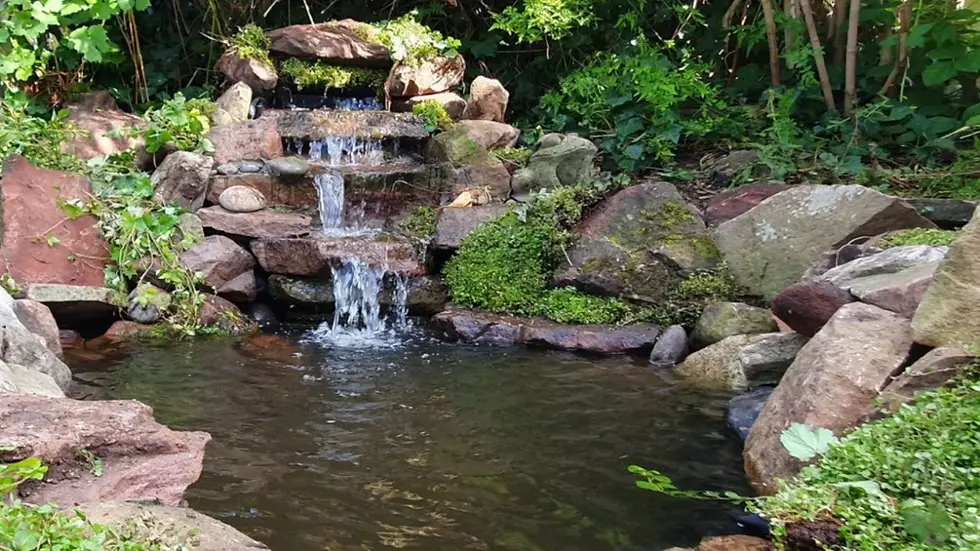
Garden ponds are one of the most satisfying features you can add to your outdoor space. They attract wildlife, provide tranquillity, and transform an ordinary garden into something special. However, keeping that serene state and ensuring your pond’s water is clean requires a proper filtration system. If you are new to having garden ponds and looking for a simple solution, here is what you should be aware of.
Why Do Ponds Need Filtration?

Unlike rivers and lakes, which are part of a larger ecosystem and have flowing water, your garden pond is a self-contained ecosystem. This means that without a filtration system, the water in the pond can deteriorate rapidly. Fish excrete ammonia, food rots in the water, and plant leaves fall in your pond where they decompose. Without intervention, these toxins build up rapidly, leading to poor water quality that is often fatal for fish and other aquatic life.
Even without fish in your wildlife pond, stagnant, rich nutrient water will not remain clear and fresh for very long, turning into a smelly, murky bog pond - nothing like what you were planning for your garden.
A pond filter performs three vital roles. The first one involves mechanical filtration - physically trapping debris such as leaves, fish excrement, and dirt. Biological filtration uses colonies of beneficial bacteria to convert the dangerous ammonia and nitrite into less harmful nitrate. UV clarification uses ultraviolet radiation to cause algae to cluster together, allowing mechanical filtration to trap them. Together, these processes keep pond water clear, balanced, and safe.
What Is an All-In-One Pond Filter?
The all-in-one pond filter is essentially an entire filtering system contained within a single component. This eliminates the need to purchase different pieces and attach them to create the filtration system. Quality all in one pond pumps combine circulation, mechanical, and biological filtration. Each filter includes a solids-handling pump, an ultraviolet clarifier designed to remove bacteria or single-cell algae, and a multimedia filter capable of cleaning the water both mechanically and biologically. A single electrical connection that does all that’s required.
These units are submerged at the bottom of the pond, drawing water in via the perforated lid, passing it through layered filter foams and biological media, and then releasing clean, UV-treated water back into the pond.
When and Why to Choose an All-in-One Pond Pump
All-in-one filters are excellent for wildlife ponds up to 9,000 litres or fish ponds up to 4,500 litres. They are a strong choice for several situations:
For novices: A pond pump and filter all in one unit removes the complexity of matching components. You don’t have to work out flow rate, pipe diameters, or head heights. The system operates as a cohesive unit from when it is turned on. All you need to do is place it at the bottom of the pond and connect one power cable to an outside socket.
For limited spaces: The submersible unit keeps everything hidden beneath the water surface. No bulky box filter on the side of the pond, no pipework lying around the garden, and no unsightly equipment cluttering the pond edge. The filter stays at the bottom of the pond, working on its own with no piping involved.
For versatility: Many all-in-one pond pumps double as water feature pumps. You can transform the clean water exit port into a stream by simply connecting a hose pipe to it. Or you create a decorative fountain using fountain kits available separately. Some models come with the aeration pack, which is a venturi fitting with an air injector that pushes oxygenated water into your pond, a useful feature if the pond contains fish.
For smaller and medium-sized ponds, the units are sufficient. For larger ponds, you can install several filters, running at the same time and achieving multiple suction and filtration points.
Features to Focus On
UV Clarifier Capacity
Check if the system you buy features a built-in UV clarifier and the wattage capacity in relation to your pond volume. More wattage will mean better performance at handling larger volumes. Filtral series systems by OASE, for instance, feature UV clarifiers with capacities of 5 to 13 watts.
Multi-Stage Filtration

Good units should have not only mechanical and biological filters but also foam pre-filters and post-filters, together with a built-in UV clarifier, which will help remove debris from the water and prevent algae and other unwanted organisms.
Easy Maintenance
Foam filters will inevitably get dirty and require washing out. Clip-on lid locks, which secure the filter firmly yet provide easy access to the interior, are a very practical feature.
Proper Capacity
Make sure you verify the manufacturer's capacity rating; bear in mind that fish ponds require a higher capacity, twice the pond volume to be exact, because fish have an impact on the biological load.
Pond Depth Compatibility
If you intend to install a fountain attachment to the filter, you need to measure the minimum and maximum height requirements so that the nozzle is positioned properly over the water line. If your pond is deeper than the maximum height of the filter assembly, you will need to raise the filter from the bottom of the pond so that the nozzle clears the water surface.
Power Consumption
All-in-one filters operate around the clock, so an energy-efficient pump motor makes a real difference to running costs over a full season.
A Clear Choice for Cleaner Water

For pond owners looking for a simple yet efficient method to keep water pure, the all-in-one pond filter is a wonderful choice. It offers three stages of filtration packed into one handy device that needs minimal installation and easy maintenance. Whether you are building a new pond or upgrading from an old one, an all-in-one filter is one of the most practical and cost-effective routes to clean, healthy water and a thriving pond.


Comments