
5 Plumbing Checks Every Homeowner Should Do Before Winter

Updated: 3 days ago
Before the first cold snap hits, run these 5 plumbing checks to protect your home from burst pipes, hidden leaks, and water damage this winter.
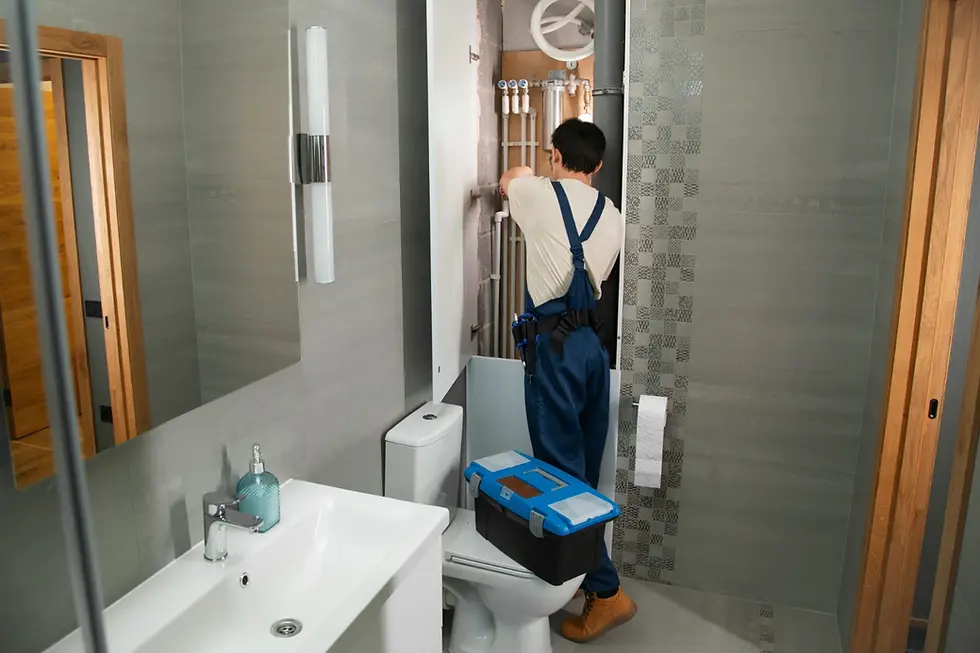
One dripping faucet you ignore in October can turn into a burst pipe that costs you $15,000 by January. That's not a scare tactic — data from the Insurance Information Institute collected between 2019 and 2023 shows that one in every 67 insured homeowners filed a water damage or freezing claim each year, with an average payout of $15,400. The majority of those claims were preventable with simple maintenance done weeks before temperatures dropped.
So here's a practical framework you can use right now: the Pre-Winter Plumbing Sweep. Five targeted checks, each one addressing a specific failure point that cold weather turns from a nuisance into an emergency. Run through all five in a single afternoon and you'll sleep a lot better when the forecast drops below freezing.
Why Autumn Is the Moment That Matters
Most homeowners only think about plumbing when something breaks. That's understandable, but it's expensive thinking. Pipes in exterior walls, unheated crawl spaces, and garages are already under stress before you notice a single symptom. By the time a faucet stops running or a cabinet smells musty, water has often been moving somewhere it shouldn't be for weeks.
Autumn gives you a clean window. Temps aren't dangerously low yet, so pipes are still workable, water heaters are accessible, and outdoor faucets can be safely drained without cracking. Wait until mid-December and you're doing reactive repairs instead of proactive ones.
One useful thing to internalize: the average household's leaks account for more than 9,300 gallons of wasted water every year, and household leaks collectively waste nearly 1 trillion gallons of water annually nationwide, according to the U.S. Environmental Protection Agency's WaterSense program. A surprising chunk of that volume comes from faults that were easy to spot in fall and ignored until spring.
Check 1: Read Your Water Meter Before Bed
This one takes two minutes and costs nothing. Shut off every faucet, appliance, and fixture in the house. Note your water meter reading, then go to bed. Check it again first thing in the morning before anyone uses water. If the numbers moved, you have a leak somewhere in the supply system.
The meter test is the single most reliable DIY diagnostic a homeowner can run because it captures what you can't see. Hidden slab leaks, slow drips behind drywall, a weeping supply line under the kitchen sink — all of them show up in the numbers. You don't need to find the leak yourself. You just need to confirm one exists before a professional comes in.
If the meter spins even slowly during your off-hours test, that's your sign to call someone before the ground freezes and complicates access to your lines.
Check 2: Drain and Disconnect Outdoor Faucets and Hoses
This is the most commonly skipped step on the list, probably because it feels trivial. It isn't. Water left sitting in a garden hose that's still connected acts like a plug. When temps drop, that standing water freezes back into the pipe itself, splitting the spigot body from the inside. You won't know until spring when you turn the outdoor tap on and water pours through your interior wall.
The fix is simple. Disconnect every hose and store it indoors. Turn off the shutoff valve feeding each exterior faucet from inside the house, then open the outdoor tap to let remaining water drain out. If your home has frost-free sillcocks installed, the disconnecting-the-hose step is still non-negotiable — they only work properly when nothing is blocking drainage.
Check 3: Inspect Under-Sink Supply Lines and Shut-Off Valves
Open every cabinet under every sink in the house. You're looking for two things: active drips and corroded braided supply lines. Supply lines are the flexible metal or plastic hoses connecting the shut-off valve to the faucet. They're inexpensive and they fail quietly, often at the connection point, where a slow weep gets absorbed by cabinet wood until the whole base is rotted through.
Braided stainless supply lines typically last 8 to 10 years. If yours are older or showing any discoloration at the crimped ends, replace them before winter. A new set costs under $15 at any hardware store. A soaked cabinet floor costs substantially more.
The cabinet is worth a wider scan while it's open. Many kitchens now run residential reverse osmosis systems tucked beside the plumbing, and those filters have their own supply lines that can weep or freeze in an unheated cabinet. Check those connections the way you checked the faucet lines, since a leak there rots the cabinet just as quietly.
While you're under there, turn each shut-off valve. If it hasn't moved in years, it may have seized. A valve that won't close is a valve that can't save you in an emergency.
Check 4: Flush Your Water Heater
Sediment from your water supply accumulates at the bottom of a tank water heater over time. In winter, when the heater cycles more frequently to maintain temperature, that sediment layer forces the burner to work harder, shortens the tank's lifespan, and can cause the lower heating element in electric models to fail entirely.
Flushing is a once-a-year job. Attach a garden hose to the drain valve, run it to a floor drain or outside, and let a few gallons flow through. The water that comes out will tell you everything: clear means you're in good shape, rust-colored or heavily silted means you're overdue. This is particularly worth doing if you live somewhere with hard water, where mineral buildup happens faster.
While the unit is on your radar, check the pressure relief valve too. Lift the handle briefly and let it snap back. If it doesn't spring shut cleanly or dribbles afterward, it needs replacement. That's a $25 part that prevents a dangerous pressure buildup inside the tank.
Check 5: Insulate Exposed Pipes in Unheated Spaces
Basements, crawl spaces, garages, and exterior walls are the four locations where pipes freeze first. Pipe insulation — the foam sleeve type that splits open and wraps around any pipe diameter — is sold by the foot at hardware stores and goes on in minutes. It's one of the best return-on-investment actions in this whole list.
Pay specific attention to pipes that run along exterior walls in rooms that don't get much heat, like a laundry room or utility closet. If you have any pipes that previously froze, even a little, those are your first priority. Don't forget the hot water pipe — it can freeze just as easily as cold in an unheated space because it loses heat fast when not in use.
When to Call a Professional Instead of DIYing It
Some checks lead to discoveries you shouldn't handle yourself. If the meter test shows a leak but you can't locate it visually, or if a shut-off valve is completely seized, or if the water heater makes a deep rumbling sound during heat cycles, those are the moments to bring in a licensed plumber. Same goes for anything involving gas lines connected to water heating systems.
Homeowners in the Dallas-Fort Worth area, for example, know that Texas winters can arrive suddenly and hit harder than expected. Having a trusted richardson plumber lined up before a cold snap — not scrambling to find one after pipes burst — is the practical move.
As a general rule: if a problem involves water you can't see, pressure you can't test, or a valve that won't respond, get a professional eye on it. The cost of an inspection call is a fraction of a water damage claim.
A Quick Reference: What to Check and When
Check | Best Timing | DIY or Pro? | Time Required
|
Water meter overnight test | Early October | DIY | 2 min setup, overnight |
Drain outdoor faucets and hoses | Before first freeze | DIY | 20 to 30 minutes |
Inspect under-sink supply lines | October to November | DIY (replacement: DIY or Pro) | 30 to 45 minutes |
Flush water heater | Once annually, fall ideal | DIY or Pro | 45 minutes |
Insulate exposed pipes | Before temperatures drop below 32°F | DIY | 1 to 2 hours |
The Cost of Skipping These Checks
The math here is not subtle. Household leaks can waste approximately 900 billion gallons of water annually nationwide — equal to the annual household water use of nearly 11 million homes, according to the U.S. EPA's WaterSense data. That's before accounting for structural damage, mold remediation, or insurance deductibles.
"Water can damage drywall, warp floors, ruin electronics, and promote mold growth," noted Michael Loik, Ph.D., professor of environmental studies at UC Santa Cruz, in commentary cited by This Old House's 2026 water damage statistics report. FEMA's own estimates reflect the widespread damaging impact water can have on flooring, walls, insulation, furniture, and personal belongings — with repair or replacement often proving quite costly.
Five checks. One afternoon. Most of them are free. The Pre-Winter Plumbing Sweep is the kind of boring, unglamorous maintenance that keeps your home looking and functioning the way you designed it — and keeps you out of the insurance adjuster's office come February. Run it this year, and make it a habit every October going forward. Your future self will thank you.
What's on your fall home maintenance list that you've been putting off? That's usually where the real problems are hiding.


Comments