
15 Man Cave Sports Bar Ideas for the Ultimate Fan Setup

Discover 15 man cave sports bar ideas, from multi-screen game walls to kegerators and team-colored lighting, to build the ultimate fan setup right at home.

A man cave sports bar turns a spare basement, garage, or bonus room into the one seat every friend fights for on game day. Ever crammed six people around a living-room TV while the cable box buffered the winning drive? A dedicated fan setup ends that for good. These 15 man cave sports bar ideas cover the screens, the bar, and the details that make the room roar.
1. The Home Golf Simulator Bay
A home golf simulator bay tucks a hitting net, mat, and impact screen into a corner of the man cave, giving the room a second life on the quiet weekends when nothing worth watching is on and the group still wants to compete. A simulator bay works like adding an off-season to your sports bar, the same square footage hosting a Sunday game one day and a nine-hole grudge match the next. Measure your ceiling and swing clearance first, then kit out the bay with a net, mat, and impact screen from Golfbays, which covers indoor and outdoor setups sized for a basement corner or converted garage. Roll out a putting mat and stash a few clubs in a wall rack so the bay stays ready without cluttering the bar.
2. Dial In Screen Size and Sightlines
Getting the screen size and sightlines right ensures every stool and sofa cushion has a clean, comfortable view, the difference between a room people crowd into and one where half the guests crane their necks around a support post all afternoon. Good sightlines work like stadium bowl design, each row positioned so the action stays framed and legible no matter where a guest lands when the room fills up. As a starting point for spacing your primary screen from the back row, THX recommends roughly a 36-degree viewing angle from the farthest seat. Mount the main display so its center sits near seated eye level to spare everyone the sore neck of a too-high install. Map stool and sofa positions before you drill anything, keeping walkways clear so a beer run never blocks the screen.
3. A Projector Screen for the Marquee Games
A drop-down projector screen delivers a genuinely cinematic picture for the biggest games of the year, expanding a 55-inch feel into a 120-inch wall of action that turns a title game into a stadium-scale event inside your own four walls. A projector works like renting out the front row of the arena for the night, the sheer scale pulling every guest into the moment in a way a standard flat panel rarely manages. Install a motorized screen that retracts into a ceiling recess so the room still reads as a bar between marquee events. Pair a short-throw 4K projector with blackout shades to keep the image punchy even during a bright afternoon kickoff. Borrow the layered lighting and seating tricks from these home theater bar ideas so the projector zone works for movie nights between games too.
4. The Billiards and Games Zone
A billiards and games zone fills the stretches between kickoffs with a pool table, dartboard, poker setup, or arcade cabinet, giving the room something to do in every lull so the energy never flatlines at halftime. A games zone works like the concourse of an arena, the spot where the group mills, competes, and trash-talks while they wait for the action to resume. Reserve a clear footprint for a slate pool table, allowing at least five feet of cue clearance on every side. Mount a bristle dartboard inside a backboard cabinet that protects the wall from stray throws. Keep a rotation of quick bar game ideas on hand so the group always has something to jump into during a commercial break or a blowout. Slot a two-player arcade cabinet or a classic table-top game into a corner for quick rounds between drives.
5. The Multi-Screen Game Wall
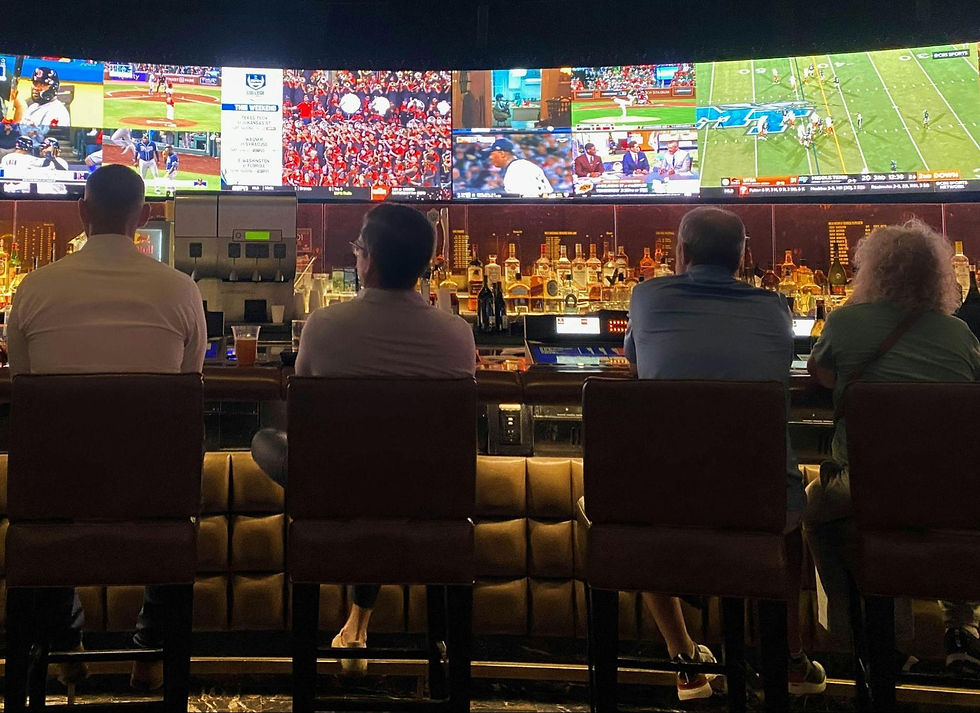
A multi-screen game wall mounts one large anchor television flanked by two or more smaller displays, letting you follow the main matchup, a fantasy-relevant game, and the scoreboard ticker at the same time without ever reaching for the remote. A game wall works like the control room at a broadcast studio, with every feed visible at a glance so no lead change, red-zone drive, or buzzer-beater slips pass while you are refilling a glass. Mount a 65-inch or larger 4K set as the centerpiece and add two 43-inch panels angled slightly inward toward the seating. The audience for these games is enormous, with an estimated 125.6 million viewers watching Super Bowl LX according to Nielsen, so build the wall for the crowd you will actually host. Run a single AV receiver or matrix switch so any source can jump to any screen with one button.
6. The Team Memorabilia Shrine
A team memorabilia shrine turns the wall behind the bar into a curated display of signed jerseys, framed ticket stubs, bobbleheads, and pennants that broadcasts your loyalties the second anyone walks down the stairs. A memorabilia wall works like a personal hall of fame, each piece a conversation starter that gives the room a history no chain sports bar can copy. Mount jerseys in UV-protected shadow boxes so autographs and fabric hold their color through years of afternoon sun. Group items by team or era on a painted accent wall rather than scattering them, giving the display a museum-grade sense of order. Embed ticket stubs, trading cards, or a scrap of outfield turf under an epoxy bar top for a one-of-a-kind serving surface.
7. Stadium-Style Tiered Seating
Stadium-style tiered seating raises a second row of recliners or bar stools on a low platform behind the front seats, guaranteeing that back-row guests see over the heads in front of them the way a real arena bowl is engineered. Tiered seating works like the rake of a theater floor, a few inches of elevation converting a flat, view-blocking room into one where every seat feels like the fifty-yard line. Build a carpeted riser six to twelve inches high for the rear row, wide enough for recliners to fully extend. Choose wipe-clean leather or vinyl seating that shrugs off spilled wings sauce and cold condensation rings. Add cupholders and a narrow rail-height counter behind each row so no one balances a plate on their knees.
8. The Kegerator and Draft Beer Station
A kegerator and draft beer station brings the pour of a commercial bar home, a chilled tap delivering perfectly carbonated pints without the recycling pile of empty cans that a fridge full of bottles leaves behind. A built-in tap works like hiring a bartender who never clocks out, cold draft on demand, and keeping the energy up through overtime and extra innings alike. Choose a dual-tap kegerator so you can run a light lager and a hoppy IPA at once and keep every guest happy. Frame the tap tower with a stainless drip tray and a stack of chilled glassware within arm's reach of the pour. Add a small back-bar sink for quick rinses so glasses cycle fast during a packed watch party.
9. Team-Colored LED Lighting
Team-colored LED lighting wraps the bar, shelving, and ceiling cove in programmable strips that shift to your squad's colors on game day and dial back to a warm amber glow for a quiet nightcap afterward. Color-changing lighting works like a mood switch for the whole room, one tap on your phone turning a calm lounge into a roaring end-zone celebration. Run RGB strips under the bar overhang, behind floating shelves, and along the toe kick for depth without visible fixtures. Program presets for each team you follow so the room flips to the right colors before the anthem finishes. Keep a neutral warm-white scene on hand for card games and conversation once the final whistle blows.
10. Surround Sound That Roars
A surround-sound system reproduces the roar of a packed stadium, placing crowd noise, commentary, and the crack of the bat around the room so a home broadcast finally carries the weight the picture deserves. Immersive audio works like piping the stadium tunnel straight into your basement, the low rumble of the crowd doing as much for the atmosphere as any screen. Position a 5.1 or Atmos setup with the center channel under the main screen and the surrounds slightly behind the seating. Keep the master volume in check during marathon sessions, since sustained exposure at or above 85 dBA can damage hearing over time, according to the NIDCD. Add a subwoofer on an isolation pad so the bass thumps in the room without rattling the family upstairs.
11. Neon Signs and Custom Bar Branding
Neon signs and custom bar branding give the room its own identity, a glowing team logo or a personalized tavern sign turning a generic basement into a named destination your friends actually ask to visit. A signature sign works like the marquee outside a real sports bar, a single glowing focal point that tells everyone they have arrived somewhere with a name and a reputation. Hang a low-heat LED neon piece in your team's colors above the back bar where it becomes the room's anchor. Commission a custom sign with your bar's name and founding year for a touch of permanence and personality. Balance the glow with dimmable ambient lighting so the sign pops without washing out the screens.
11. The Billiards and Games Zone
A billiards and games zone fills the stretches between kickoffs with a pool table, dartboard, poker setup, or arcade cabinet, giving the room something to do in every lull so the energy never flatlines at halftime. A games zone works like the concourse of an arena, the spot where the group mills, competes, and trash-talks while they wait for the action to resume. Reserve a clear footprint for a slate pool table, allowing at least five feet of cue clearance on every side. Mount a bristle dartboard inside a backboard cabinet that protects the wall from stray throws. Slot a two-player arcade cabinet or a classic table-top game into a corner for quick rounds between drives.
12. The Game-Day Snack and Wing Station
A game-day snack and wing station keeps hot food flowing without anyone missing a play, a small counter with a warming tray, mini fridge, and stacked serveware turning halftime into a spread instead of a scramble to the kitchen. A snack station works like the concession stand moving into the room, with everything within reach so the host stays on the couch and in the game. Set a warming tray or countertop oven near the bar to keep wings, sliders, and nachos hot through the fourth quarter. Stock a mini fridge with sodas, waters, and dips so guests self-serve without opening the main kitchen. Keep napkins, sauces, and disposable boats in labeled bins for fast, low-cleanup rounds.
13. A Fantasy Draft Command Station
A fantasy draft command station carves out a dedicated spot with a monitor, fast Wi-Fi, and a whiteboard so draft night and Sunday lineup changes have a proper home rather than living on a phone balanced against a beer. A command station works like a war room for your league, the extra screen and space letting you track matchups, waivers, and trash talk without losing the live game behind it. Mount a second monitor beside the main screens to keep box scores and stat feeds live during every window. Hang a reusable draft board or whiteboard for draft night and weekly standings the whole league can see. Wire the corner with a hardwired connection or a strong mesh node so nothing lags at the worst possible moment.
14. A Concession-Style Popcorn and Cooler Nook
A concession-style popcorn and cooler nook adds a nostalgic movie-house touch, a cart-style popcorn maker, and a stocked cooler, giving guests a self-serve corner that feels like the lobby of a ballpark or cinema. A concession nook works like the snack bar at the stadium gate, a small dedicated station that makes grabbing a refill feel like part of the outing. Set a countertop or cart popcorn machine on a wipe-down surface with bags and shakers alongside. Fill a rolling cooler or under-counter drinks fridge with a self-serve mix of cans and bottles on ice. Add a chalkboard menu listing the night's snacks and signature drinks for a genuine concession feel.
15. A Sports-Themed Bar Top and Rail
A sports-themed bar top and foot rail anchor the whole room, a durable counter finished in team colors or embedded memorabilia giving guests a proper place to lean, drink, and argue every call. A well-built bar works like the fifty-yard line of the room, the natural gathering point where the group collects between plays and settles in for the pregame. Top the bar in sealed epoxy over team logos, cards, or turf for a hard-wearing, conversation-starting surface. Add a brass or black foot rail along the base for that authentic lean-in tavern posture. Line the front with high-back stools in coordinating colors so the counter seats a full lineup in comfort.
FAQs
How many TVs do you need for a man cave sports bar?
Most setups land on three screens: one large anchor display and two smaller side panels for secondary games and scores. Serious fans running multiple leagues sometimes go to five or more, but three comfortably covers the main game, a fantasy game, and the ticker.
What size TV is best for a man cave sports bar?
For most rooms, a 65- to 85-inch 4K TV hits the sweet spot for the main screen. Match the size to your seating distance so the back row still gets an immersive view, using around a 36-degree viewing angle from the farthest seat as a starting point.
How much does it cost to build a man cave sports bar?
A basic setup runs roughly $2,000 to $5,000, while a full build with multiple screens, a kegerator, and custom seating can climb past $15,000. Your biggest variables are the number of screens, whether you add plumbing, and how much custom cabinetry you choose.
What is the best flooring for a man cave sports bar?
Luxury vinyl plank and low-pile carpet tile are the top picks because they handle spills, muffle noise, and stay comfortable underfoot. Carpet tile has the edge for sound absorption, while vinyl plank is easier to wipe down after a rowdy watch party.
Can you build a man cave sports bar in a garage?
Yes, garages are one of the most popular spots thanks to their open footprint and high ceilings. Add insulation, a mini-split for climate control, and a moisture-sealed floor, and a garage converts into a year-round fan setup with room for extras like a golf bay.
How do I keep the noise from disturbing the rest of the house?
Add mass-loaded vinyl or acoustic panels to shared walls, place the subwoofer on an isolation pad, and seal gaps around the door. These steps contain the low-end rumble that travels furthest, letting you turn up the game without shaking the rooms above.
What lighting works best in a sports bar man cave?
Layer programmable LED strips for team colors with dimmable ambient lighting for everything else. Keep glare off the screens by aiming fixtures away from the displays and leaning on indirect cove or under-bar lighting during games.
Do you need a permit for a man cave bar?
You generally need a permit only if the build adds new plumbing or electrical circuits. A dry bar with a plug-in fridge usually needs nothing, but a wet bar with a sink or a kegerator drain often requires sign-off, so check your local codes before starting.
What seating is best for a man cave sports bar?
A deep sectional or recliners up front and bar stools at the counter serves most groups well. Wipe-clean leather or vinyl holds up best against spills, and a raised back row keeps everyone's view clear when the room fills up.
Conclusion
A man cave sports bar is worth building because it turns watching the game from a passive habit into an event your friends plan their weekends around. Start with the screens and sightlines, add a proper bar and sound, then layer in the personality with memorabilia, neon, and a second-life feature like a golf bay or games zone. Get those pieces right, and you will spend far fewer Sundays out at a crowded bar and a lot more hosting the best seat in the house.


Comments